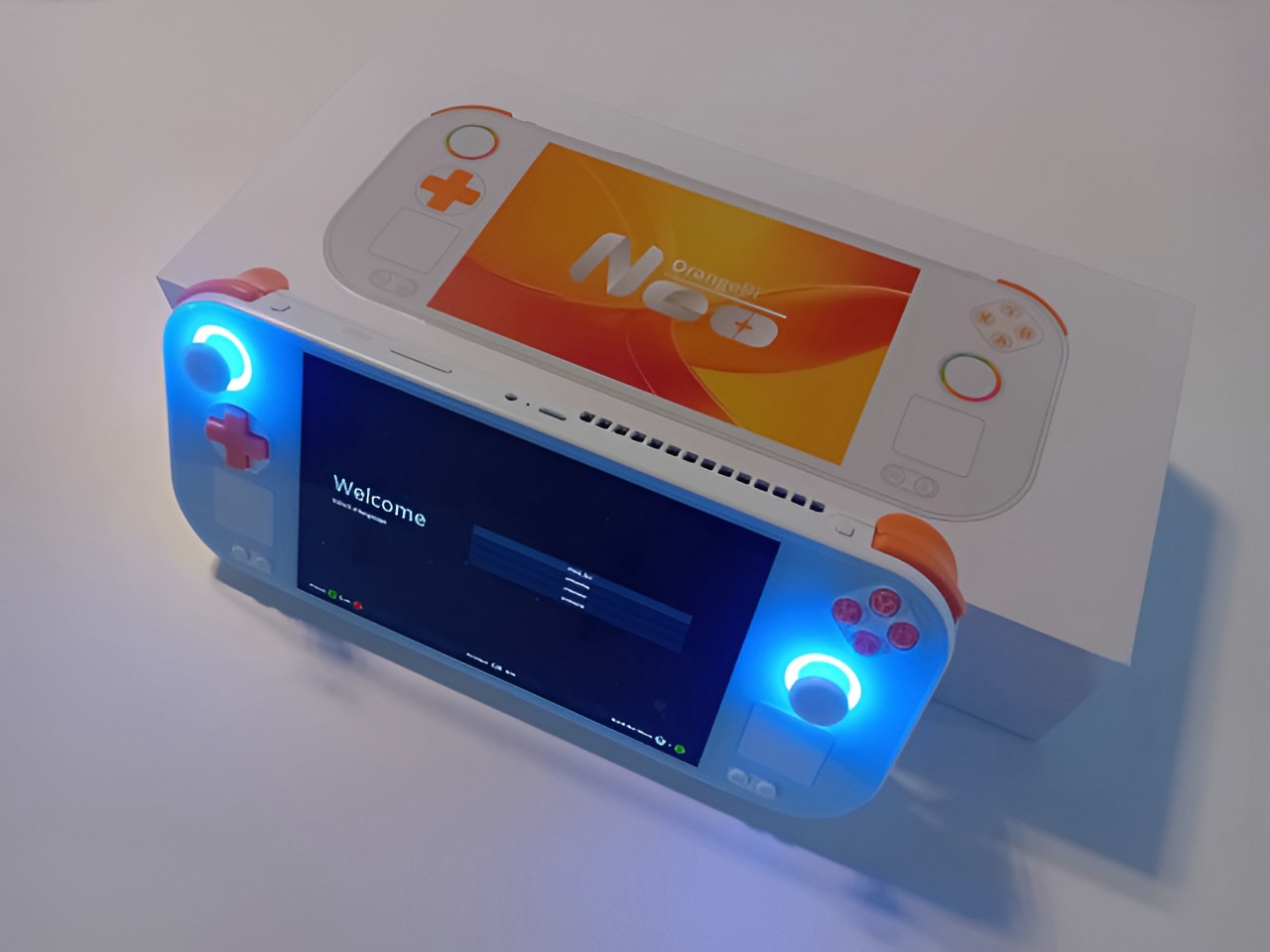
Orange Pi Neo Gaming Handheld Faces Delays Amidst Component Price Volatility
The highly anticipated Orange Pi Neo, a Linux-based gaming handheld promising a competitive edge in the burgeoning portable gaming market, is experiencing delays due to rising costs of key components, particularly RAM, and storage. Originally announced in 2024, the device aimed to deliver a powerful gaming experience at a disruptive price point, but current market conditions are forcing the company to reassess its launch strategy. The delays highlight the ongoing challenges facing the consumer electronics industry as it navigates persistent supply chain disruptions and fluctuating component prices.
Development of the Orange Pi Neo has been put on hold as the manufacturer grapples with the increasing cost of essential hardware. While the project hasn’t been abandoned, the launch window remains uncertain. The situation underscores the vulnerability of smaller tech companies like Orange Pi to global economic pressures impacting the availability and affordability of critical components. The current instability in the supply chain presents a significant hurdle, casting a shadow over the future of the project in the short term.
Software Progress Continues Despite Hardware Challenges
Despite the hardware setbacks, progress continues on the software side of the Orange Pi Neo. The Manjaro Gaming Edition, the planned operating system for the handheld, has seen substantial improvements, according to philm of the Manjaro team, as reported on the Manjaro forums. This ongoing software development ensures that the platform will be well-optimized for gaming when the hardware becomes available. The device has already secured both CE and FCC certifications, a positive sign indicating that the hardware design meets necessary regulatory standards. This suggests that when component costs stabilize, the transition to production should be smoother.
The Orange Pi Neo has been in development for nearly two years, and the initial plan was to feature either an AMD Ryzen 7 7840U or Ryzen 7 8840U processor. While these Zen 4-based chips remain capable, their competitive edge has diminished somewhat with the release of newer processors. The delays may necessitate an upgrade to the APU to ensure the device remains competitive upon release. The original target price of $450 for the base model, equipped with 16GB of RAM and 512GB of storage, is now likely unrealistic given the current market conditions. Consumers should anticipate a higher price tag if and when the Orange Pi Neo finally reaches store shelves.
The Broader Context: Component Shortages and Rising Costs
The Orange Pi Neo’s predicament is not unique. The global technology industry has been grappling with component shortages and price increases since 2020, initially triggered by the COVID-19 pandemic and exacerbated by geopolitical factors and increased demand. DDR5 RAM, a crucial component for modern gaming devices, has experienced significant price fluctuations, impacting the cost of production for many manufacturers. Similarly, the cost of solid-state drives (SSDs), used for storage, has also risen sharply. These increases are forcing companies to make challenging decisions, including delaying launches, reducing features, or increasing prices.
The situation is particularly challenging for smaller companies like Orange Pi, which lack the purchasing power and supply chain resilience of larger corporations. Larger manufacturers can often secure preferential pricing and guaranteed supply through long-term contracts and established relationships with component suppliers. Orange Pi, as a relatively new entrant to the handheld gaming market, faces a steeper climb in navigating these complex supply chain dynamics. The company’s ability to weather this storm will depend on its ability to adapt to changing market conditions and secure access to affordable components.
Alternatives in the Portable Gaming Space
For gamers eager to get their hands on a portable gaming device, several alternatives are currently available. The ASUS ROG Ally, for example, is currently available on Amazon for around $580, offering a comparable gaming experience. Other options include the Steam Deck and various other handheld consoles. Still, the Orange Pi Neo aimed to differentiate itself through its competitive pricing and open-source Linux-based operating system, appealing to a niche market of tech-savvy gamers who value customization and flexibility. The delay throws the future of that value proposition into question.
The choice of Manjaro Linux as the operating system is a significant aspect of the Orange Pi Neo’s appeal. Manjaro is an Arch Linux-based distribution known for its user-friendliness and rolling release model, providing users with access to the latest software and updates. This contrasts with some other handheld gaming consoles that rely on proprietary operating systems with limited customization options. The open-source nature of the platform also allows for greater community involvement and the potential for a wider range of compatible games and applications.
Looking Ahead: What’s Next for the Orange Pi Neo?
The future of the Orange Pi Neo remains uncertain. The company is currently waiting for a more favorable market environment before resuming development and finalizing launch plans. The duration of the delay will depend on the stabilization of component prices and the easing of supply chain constraints. While the project is not abandoned, the prolonged delay raises concerns about its long-term viability. The company will demand to carefully assess the market landscape and potentially adjust its specifications or pricing to remain competitive.
The ongoing improvements to the Manjaro Gaming Edition provide a glimmer of hope. A well-optimized and feature-rich operating system will be crucial for delivering a compelling gaming experience. The completion of CE and FCC certifications also demonstrates the company’s commitment to meeting regulatory requirements and ensuring product quality. However, these achievements will be overshadowed if the company cannot overcome the hardware challenges and bring the device to market at a reasonable price.
Currently, it’s unclear when the Orange Pi Neo will launch, but it seems unlikely that the RAM crisis will end soon. Consumers interested in the device should monitor the official Orange Pi website and the Manjaro forums for updates. The company’s next move will likely depend on the evolution of the global semiconductor market and its ability to secure a stable supply of affordable components. The handheld gaming market is rapidly evolving, and Orange Pi will need to act decisively to capitalize on the opportunity.
As of February 28, 2026, the Orange Pi Neo remains on hold, awaiting more favorable market conditions. The company has not yet announced a revised launch date, but will likely provide an update when the supply chain situation improves. Stay tuned to World Today Journal for further coverage of this developing story.
What are your thoughts on the Orange Pi Neo delay? Share your comments below and let us know if you’re still interested in this Linux-powered gaming handheld.
Related reading