
Orcas Are Getting Smarter – and humans May Be Why
Orcas, also known as killer whales, are renowned for their intelligence and complex social structures. Recent observations suggest these magnificent creatures are becoming even smarter, adapting their hunting strategies and behaviors at an accelerated rate. but what’s driving this evolution? Increasingly, evidence points to the significant, and often indirect, influence of human activity.
How Humans Are Shaping Orca Intelligence
Humans are fundamentally altering ocean conditions, and orcas are responding with remarkable ingenuity. Consider their interactions with fisheries: orcas demonstrate a clear ability to innovate and learn new techniques when encountering longline and trawl fishing operations. This adaptability highlights their cognitive adaptability.
Climate change, driven by human activity, is also playing a role. As environments shift, orcas may increasingly rely on social learning – passing down knowledge within their pods – to survive.
Adapting to a Changing Antarctic
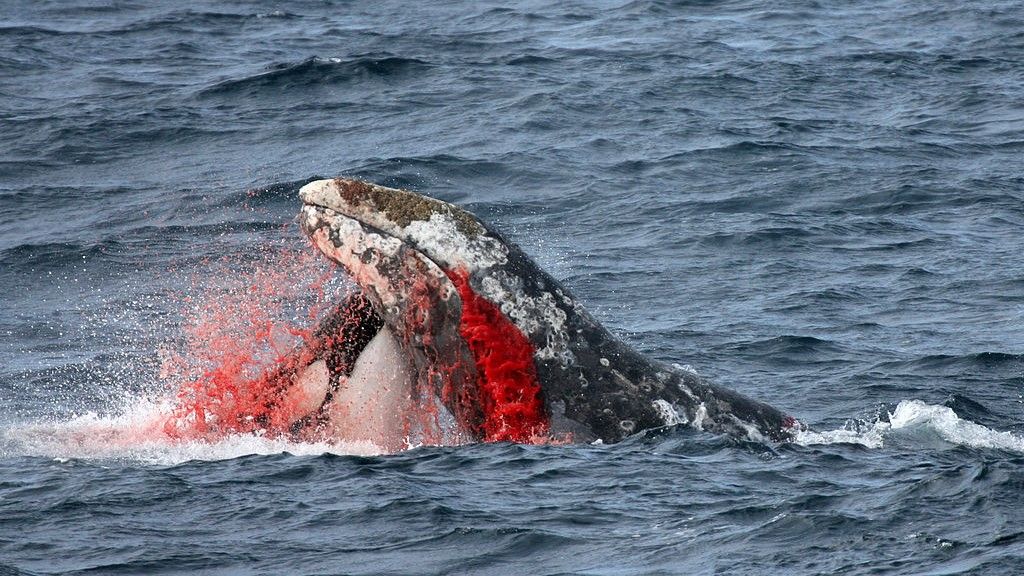
The Antarctic provides a compelling example of this adaptation. Traditionally, certain orca populations hunted Weddell seals by skillfully washing them off ice floes. Though, with the dramatic decline of sea ice due to warming temperatures, these orcas are now targeting leopard and crabeater seals.
These new prey species are more challenging to capture, requiring orcas to develop entirely new hunting skills. It’s a testament to their capacity for learning and problem-solving.
The Dark Side: Disrupting Social Learning
While human actions can stimulate learning, they can also hinder it. Overfishing, as an example, can unravel the social fabric of orca communities.
Consider the case of salmon populations off the Washington coast. Declining salmon stocks have led to increased competition and weakened social bonds within orca pods. When orcas are constantly focused on finding enough to eat, they have less time for the social interactions crucial for knowledge transfer. As groups splinter and shrink,the prospect for learning diminishes,perhaps impacting their ability to adapt to a rapidly changing ecosystem.
Orcas Are Aware of Our presence
Despite not understanding the complexities of human impact, orcas are acutely aware of our presence in their habitat. They observe our activities and adjust their behaviors accordingly.
Fortunately, despite their growing intelligence and hunting prowess, orcas currently show no inclination to target humans. They seem content to refine their skills on other marine life.
What Does This Mean for the Future?
The increasing intelligence of orcas is a engaging phenomenon. It underscores their remarkable adaptability and resilience. Though,it also serves as a stark reminder of the profound impact humans are having on the natural world.
Understanding this connection is crucial for developing effective conservation strategies and ensuring the long-term survival of these astonishing creatures. By mitigating our impact on the oceans, we can help support the continued evolution – and thriving – of orca populations worldwide.





