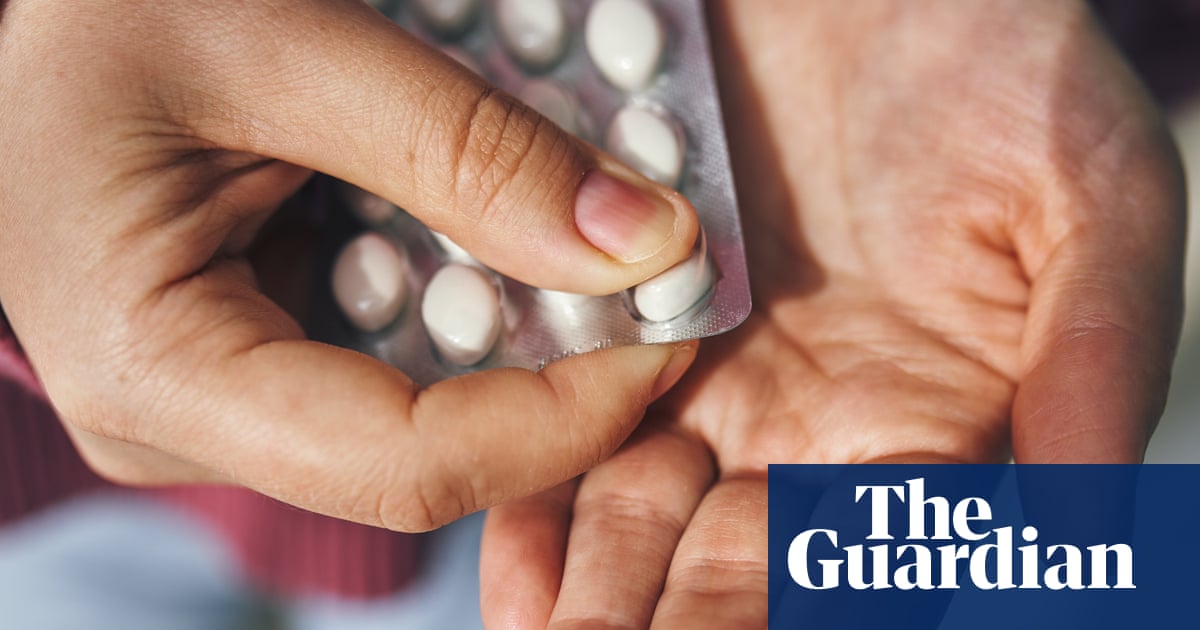
Berlin – A new daily pill, orforglipron, developed by Eli Lilly, is showing promising results in clinical trials as a potential treatment for type 2 diabetes and weight management. The findings, released in December 2025, suggest the oral medication could offer a more convenient and potentially more effective alternative to existing weight-loss drugs, including injectable options like Wegovy and Ozempic. Initial data indicates patients with diabetes experienced weight loss of 6-8% with orforglipron, compared to 4-5% with oral semaglutide, another GLP-1 receptor agonist. However, the higher discontinuation rate due to gastrointestinal side effects warrants further investigation.
The development of oral GLP-1 receptor agonists represents a significant step forward in the treatment of obesity and related metabolic disorders. Currently, many effective medications require injection, which can be a barrier for some patients. A pill form offers increased convenience and accessibility, potentially leading to better adherence and broader patient reach. Orforglipron works by mimicking the effects of glucagon-like peptide-1 (GLP-1), a natural hormone that regulates appetite and blood sugar levels. This class of drugs has gained considerable attention in recent years due to its efficacy in promoting weight loss and improving metabolic health.
Orforglipron’s Performance in the Achieve-3 Trial
The positive results stem from the Phase 3 Achieve-3 trial, a study funded by Eli Lilly that involved over 1,500 adults with type 2 diabetes across Argentina, China, Japan, Mexico, and the United States. The study, published in *The Lancet*, compared the effects of different dosages of orforglipron (12mg and 36mg) with varying doses of oral semaglutide (7mg and 14mg) over a year-long period. Participants taking orforglipron not only experienced greater weight loss but similarly demonstrated lower average blood sugar levels compared to those on oral semaglutide. This dual benefit is particularly significant for individuals managing both diabetes and obesity, conditions often occurring together.
However, the trial also revealed a higher rate of discontinuation among participants taking orforglipron. Approximately 9-10% of individuals in the orforglipron groups stopped treatment due to side effects, primarily gastrointestinal issues, compared to 4-5% in the semaglutide groups. These side effects, while generally not serious, can significantly impact a patient’s quality of life and adherence to treatment. Researchers emphasize the need to carefully assess individual tolerance and manage potential side effects when considering orforglipron as a treatment option.
How Orforglipron Compares to Existing Medications
Currently, semaglutide is the only GLP-1 medication available in pill form in the United States, marketed as Rybelsus for diabetes treatment and Wegovy for weight loss. However, studies have consistently shown that oral semaglutide is less effective for weight loss than its injectable counterparts, Ozempic and Wegovy, or tirzepatide (Mounjaro). The Guardian reports that orforglipron’s superior performance compared to oral semaglutide suggests it could fill a crucial gap in the market, offering a more potent oral alternative for patients who prefer or require a pill-based medication.
The potential advantages of a pill form extend beyond convenience. Experts believe that oral medications are generally easier to store and may ultimately be more affordable than injectable options, increasing accessibility for a wider range of patients. However, the cost-effectiveness of orforglipron will depend on its eventual pricing and insurance coverage, which remain uncertain as it awaits regulatory approval.
Regulatory Status and Future Outlook
As of February 26, 2026, orforglipron has not yet been approved by regulatory bodies in the United Kingdom, the United States, or Europe. However, Eli Lilly has submitted the drug for review by the U.S. Food and Drug Administration (FDA). The FDA review process typically involves a thorough evaluation of the drug’s safety and efficacy data, and a decision is expected in the coming months. The European Medicines Agency (EMA) and the UK’s Medicines and Healthcare products Regulatory Agency (MHRA) will likely conduct their own independent reviews once the FDA process is underway.
Tam Fry, chair of the National Obesity Forum, emphasized the need for strict control over the drug’s availability once approved, citing concerns about misuse and potential life-threatening consequences, as seen with similar medications like Ozempic. Reports from Australia have highlighted instances of individuals misusing diabetes medications for rapid weight loss, leading to serious health complications. Careful monitoring and responsible prescribing practices will be crucial to ensure the safe and effective leverage of orforglipron.
Expert Perspectives and Remaining Questions
Dr. Marie Spreckley, of the MRC epidemiology unit at the University of Cambridge, cautioned that the one-year duration of the Achieve-3 trial leaves important questions unanswered. Longer-term studies are needed to assess the drug’s sustained effectiveness, cardiovascular outcomes, and overall safety profile. “Higher discontinuation due to adverse events, particularly gastrointestinal symptoms, is a key consideration and may have implications for tolerability and adherence in real-world settings,” she stated.
Naveed Sattar, a professor of cardiometabolic medicine at the University of Glasgow, highlighted the importance of a holistic approach to managing type 2 diabetes, encompassing weight management, blood sugar control, and cardiovascular risk reduction. He believes that incretin-based therapies, like orforglipron, have the potential to become first-line treatments for type 2 diabetes within the next decade, potentially leading to remission for many patients. “These are important findings. The more effective oral medicines we have to help people with type 2 diabetes lose weight and keep it off, the better,” he said.
Key Takeaways
- Orforglipron demonstrates promising weight loss results in patients with type 2 diabetes, exceeding the efficacy of oral semaglutide in clinical trials.
- The drug offers the convenience of a pill form, potentially improving adherence compared to injectable medications.
- Gastrointestinal side effects led to a higher discontinuation rate in the orforglipron group, requiring careful patient monitoring.
- Regulatory approval is pending in major markets, including the US, UK, and Europe.
- Long-term studies are needed to assess the drug’s sustained efficacy and safety.
The FDA is expected to announce its decision regarding orforglipron’s approval in the coming months. The outcome of this review will be a pivotal moment for the treatment of type 2 diabetes and obesity, potentially offering a new and effective option for millions of individuals worldwide. As research continues and more data becomes available, orforglipron could reshape the landscape of metabolic disease management.
What are your thoughts on the potential of oral GLP-1 agonists? Share your comments below, and let’s continue the conversation. Don’t forget to share this article with anyone who might benefit from this information.
- Beyond Erectile Dysfunction: Viagra May Block Cancer Cell Metastasis
- Fertilization Guide: Ask IFAS Topics, Publications, and Associated Units
- Exploring the 5-Step ‘Red Light’ Challenge for Weight Loss (newsdirectory3.com)
- Online Weight-Loss Drug Provider Challenges Agency Over Industry Standards (archyde.com)