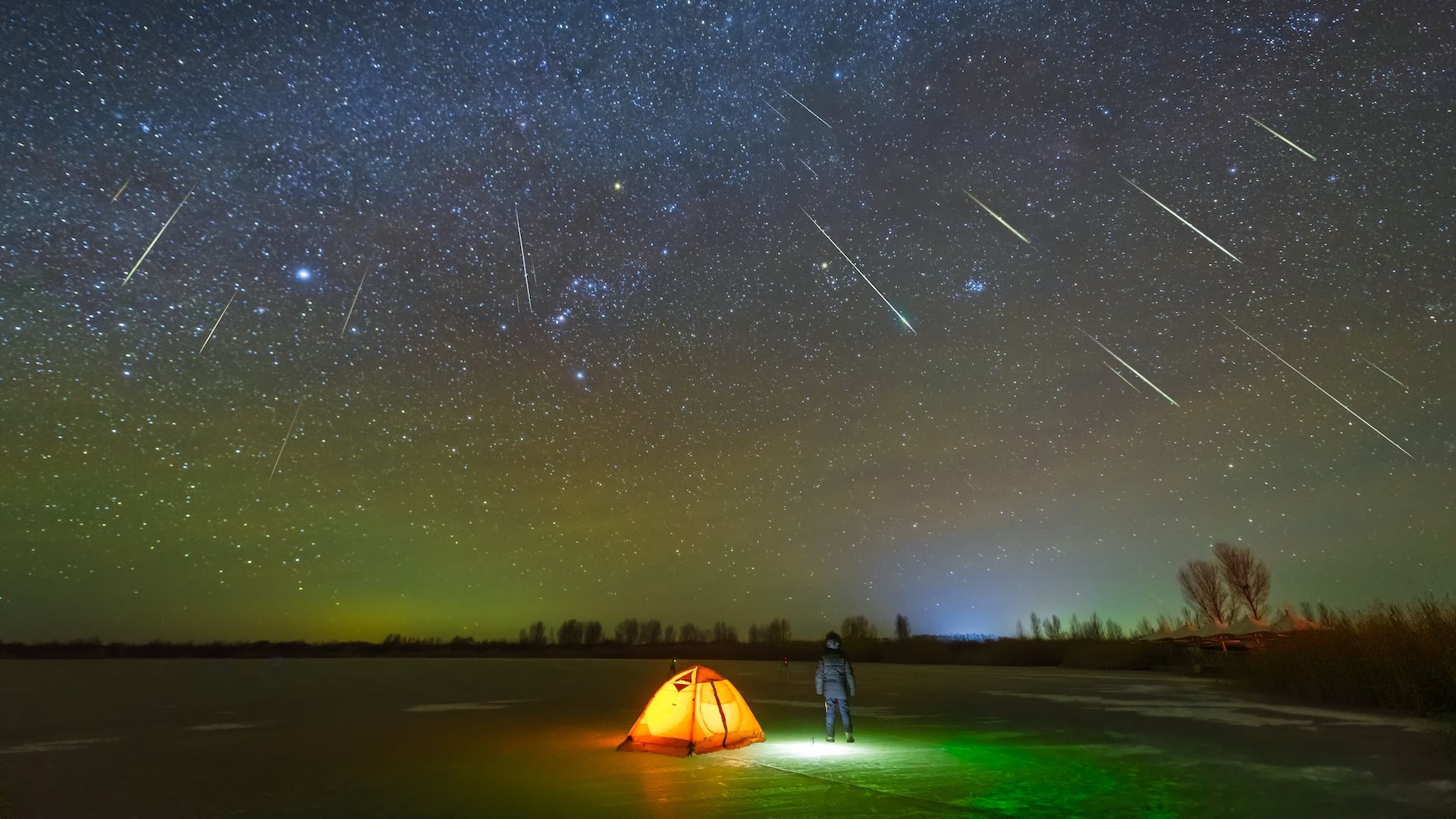
Witness a Celestial Double Feature: orionid Meteors & Two Visible Comets This Week
October offers a rare treat for skywatchers: the peak of the orionid meteor shower and the opportunity to spot not one, but two comets with the naked eye or binoculars. This convergence of celestial events promises a spectacular show, and here’s everything you need to know to make the most of it.
Understanding the Orionid Meteor Shower
The Orionids are known for thier swift, luminous meteors, and they appear to radiate from the constellation Orion the hunter. These “shooting stars” are actually tiny particles of debris left behind by Halley’s Comet.
* halley’s Comet is the source of the Orionids and the Eta Aquariids meteor showers.
* It was last visible from Earth in 1986 and won’t grace our skies again until 2061.
The best time to view the Orionids will be in the hours following midnight on tuesday, October 21st. However,the viewing window opens earlier,offering a chance to catch a glimpse the previous evening.
Spotting the Comets: Lemmon & SWAN
Beyond the meteors, two comets are currently visible, offering a unique opportunity for observation. You might even be able to see them without any specialized equipment!
* Comet Lemmon: Discovered in January, this comet will appear low in the northwest sky. Look for it between the end of the Big Dipper’s handle and the bright star Arcturus.
* Comet SWAN: First spotted in September, Comet SWAN will be low in the southern sky. find it just below Altair, a prominent star within the Summer Triangle.
For the clearest views of these comets, aim to observe them approximately an hour and a half after sunset. While potentially visible to the naked eye from dark locations, stargazing binoculars will considerably enhance your experience.
Maximizing Your Viewing Experience
Here are a few tips to help you enjoy the celestial display:
* Find a Dark Location: Escape city lights for the best visibility.Light pollution drastically reduces the number of meteors and comets you can see.
* Allow Your Eyes to Adjust: Give your eyes at least 20-30 minutes to adjust to the darkness. Avoid looking at bright screens during this time.
* Look in the Right Direction: Focus your gaze towards the radiant point (Orion for the Orionids) but scan the surrounding sky. meteors will appear to streak across the entire sky, not just from the radiant.
* Dress Warmly: October nights can be chilly, so dress in layers to stay comfortable.
* Bring Binoculars: Even a basic pair of binoculars can reveal fainter meteors and provide a better view of the comets.
This week presents a fantastic opportunity to connect with the cosmos. With a little readiness and patience, you can witness a lovely display of celestial fireworks and perhaps even catch a glimpse of a comet – a truly unforgettable experience.
Worth a look