Escalating Tensions: Violence Surges in West Bank Amidst U.S.-Israeli War on Iran
Jerusalem – As the conflict between the United States and Israel against Iran enters its third week, a disturbing parallel escalation of violence is unfolding in the West Bank, impacting Palestinian civilians. Reports from the region indicate a significant increase in both Israeli military operations and settler attacks, raising fears of widespread human rights abuses and a potential humanitarian crisis. The situation is further complicated by the emotional toll the conflict is taking on individuals with deep ties to the region, including those with familial connections to Iran, as highlighted by Iranian-Israeli activist Orly Noy in a recent essay for The New York Review of Books. The broader geopolitical context, including President Trump’s demands for international naval presence in the Strait of Hormuz, adds to the volatile atmosphere.
The current conflict, which began with strikes on Iran, has prompted a wave of retaliatory actions, with Iran targeting Israel and U.S. Allies in the Gulf, including the United Arab Emirates, Saudi Arabia, Kuwait, and Bahrain. Amidst this escalating regional war, the West Bank is experiencing a surge in violence, with reports detailing the execution of Palestinian families and brutal attacks on villages. This escalating violence is occurring against a backdrop of limited avenues for protest within Israel itself, with police forces suppressing even small demonstrations, seemingly in deference to far-right political elements.
Rising Violence Against Palestinians
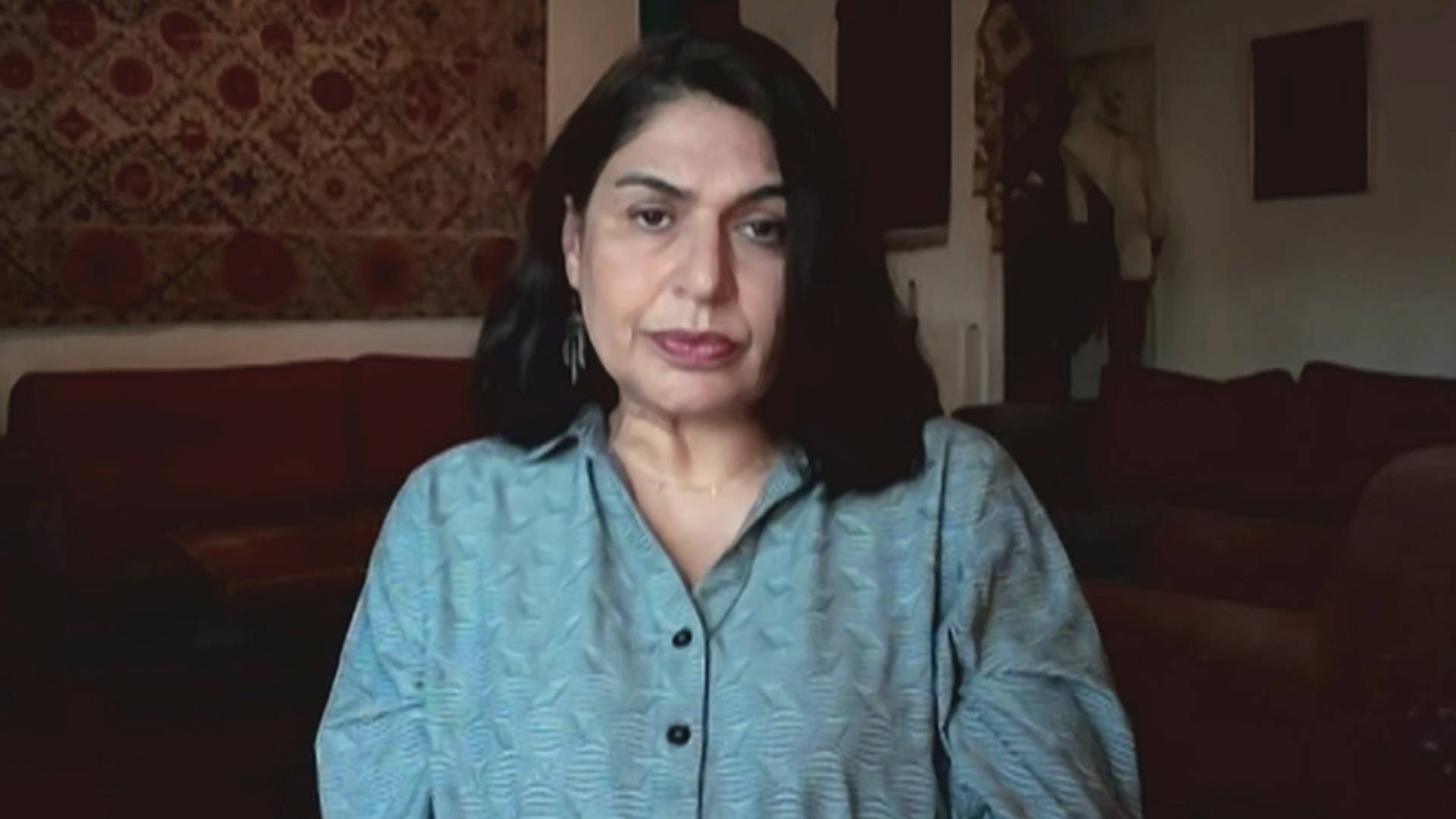
The situation in the West Bank is described as increasingly dire, with a shift from concerns about ethnic cleansing to fears of outright executions of Palestinian civilians. According to reports, the Israeli military and settlers are increasingly acting with impunity. Orly Noy, chair of B’Tselem’s executive board, detailed a particularly harrowing incident in a village north of the Jordan Valley, where settlers reportedly gathered the entire population in a tent and subjected them to torture, sexual assault, and intimidation, forcing children to witness the abuse. Noy’s recent article in The New York Review of Books, titled “Longing for My Tehran,” underscores the deeply personal and emotional impact of the conflict, particularly for those with connections to both Israel and Iran.
Specifically, Noy highlighted the execution of four members of the Bani Odeh family – both parents and two young children – in the village of Tammun. This incident, along with the broader pattern of violence, has prompted condemnation from human rights organizations and raised concerns about a complete breakdown of law and order in the West Bank. The increasing brutality is reportedly being carried out with little to no intervention from Israeli authorities.
Suppression of Dissent Within Israel
Although a majority of Israelis reportedly support the ongoing war, opposition exists, though it faces significant obstacles. Attempts to organize protests against the conflict have been met with forceful suppression by Israeli police, described by Noy as acting increasingly like a “private militia” of far-right Minister of Homeland Security, Itamar Ben-Gvir. Despite the legality of protest in Israel, the police have been quick to disperse demonstrations, seemingly prioritizing the demands of the Kahanist minister. This suppression of dissent raises concerns about the shrinking space for peaceful opposition within Israeli society.
The Emotional Toll and Personal Connections
The conflict is not only a geopolitical crisis but also a deeply personal one for many. Noy’s essay, “Longing for My Tehran,” speaks to the emotional turmoil experienced by Iranian Israelis as they witness the bombing of their homeland. She describes the profound impact of hearing cries for help in Farsi, a language she grew up with, and the struggle to make sense of the “madness” unfolding around her. This personal dimension highlights the human cost of the conflict and the complex identities caught in the crossfire.
Noy’s experience underscores the interconnectedness of the region and the far-reaching consequences of the U.S.-Israeli war on Iran. The conflict is not confined to military targets; it is impacting civilians on multiple levels, both directly through violence and indirectly through emotional distress and fear. The situation is further complicated by the broader geopolitical implications, including the potential for escalation and the disruption of vital trade routes, such as the Strait of Hormuz, which President Trump has demanded other nations help secure.
Strait of Hormuz and International Involvement
The strategic importance of the Strait of Hormuz, a critical waterway for global oil supplies, has become a focal point in the escalating conflict. President Trump has called on other countries to deploy warships to the Strait to ensure its safe passage, as it has been largely shut down due to threats from Iran. According to Truthout, this demand comes as oil prices continue to rise amid the ongoing military strikes and retaliatory actions. The potential for a wider regional conflict, involving multiple nations and impacting global energy markets, remains a significant concern.
The international community faces a complex challenge in navigating this crisis. Balancing the need to de-escalate tensions with the imperative to protect vital trade routes and ensure regional stability requires a delicate diplomatic approach. The situation in the West Bank, with its escalating violence and suppression of dissent, demands immediate attention and a commitment to upholding human rights and international law.
Key Takeaways
- The U.S.-Israeli war on Iran is contributing to a surge in violence against Palestinians in the West Bank.
- Israeli police are suppressing protests against the war, seemingly prioritizing the demands of far-right political figures.
- The conflict is having a profound emotional impact on individuals with ties to both Israel and Iran.
- The Strait of Hormuz remains a critical strategic point, with President Trump calling for international naval presence.
- The situation in the West Bank is deteriorating rapidly, with reports of executions and brutal attacks on civilians.
The situation remains fluid and highly volatile. Further developments are expected as the conflict continues, and the international community grapples with the challenges of de-escalation and humanitarian assistance. The next key development to watch will be the response of other nations to President Trump’s call for naval deployments to the Strait of Hormuz, and any potential shifts in the dynamics of violence in the West Bank. We will continue to provide updates as the situation evolves.
Do you have insights or perspectives on the ongoing conflict? Share your thoughts in the comments below, and please share this article with your networks to raise awareness about the escalating crisis.