Escalating Tensions in the Strait of Hormuz: Attacks on Commercial Vessels Amidst US-Israel Action Against Iran
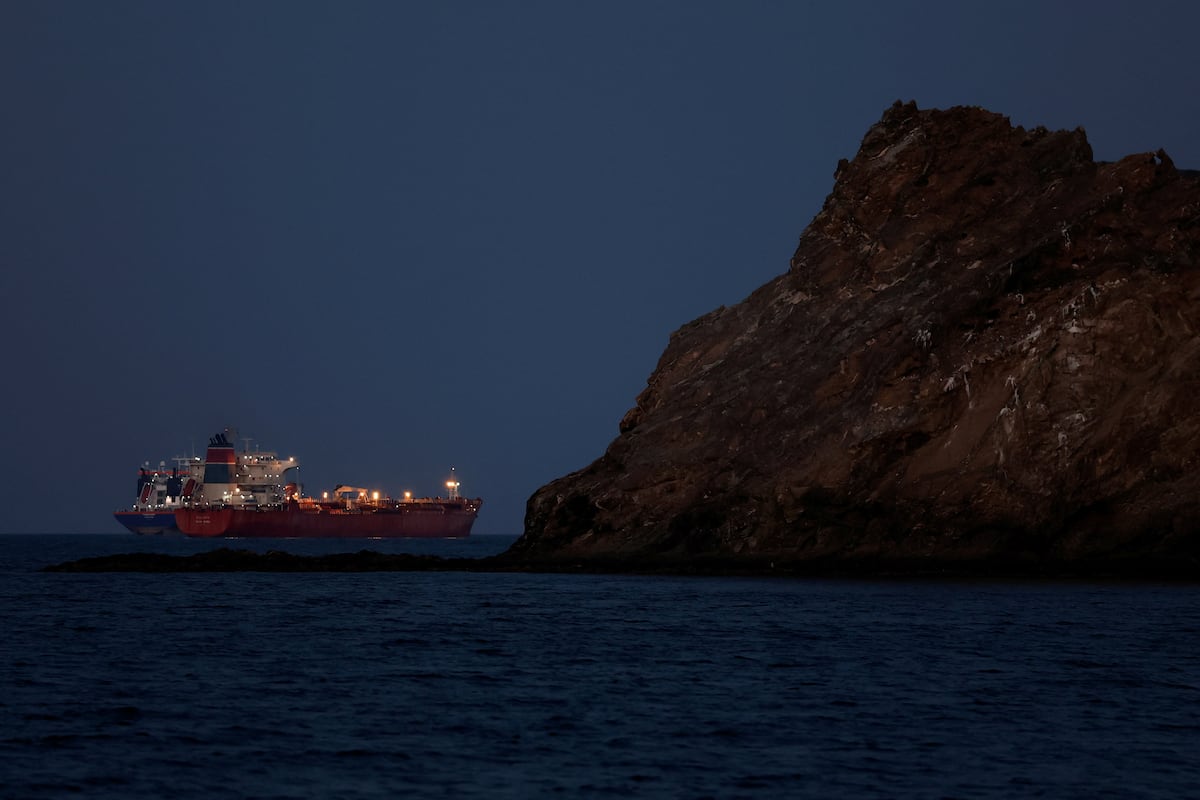
The strategic Strait of Hormuz, a vital artery for global energy supplies, has become a focal point of escalating tensions following recent military actions by the United States and Israel against Iran. Multiple commercial vessels have been targeted in a series of incidents, raising concerns about potential disruptions to international shipping and a surge in oil prices. The attacks, occurring on Wednesday, March 11, 2026, underscore the fragility of maritime security in the region and the potential for wider conflict. Approximately 20% of the world’s oil supply passes through the Strait of Hormuz, making it a critical chokepoint for the global economy. According to a report by UNCTAD, an average of 144 ships transit the strait daily, with tankers accounting for 37% of the traffic.
The incidents began amidst a backdrop of heightened military activity and Iranian warnings of retaliation following the US-Israel campaign launched on February 28th. Iran has repeatedly threatened to block the Strait of Hormuz in response to sanctions imposed by Washington over its nuclear program. The latest attacks involved three cargo ships – a Thai-flagged bulk carrier, a Japanese-flagged container ship, and a Marshall Islands-flagged vessel – all struck by projectiles of unknown origin. The timing and coordinated nature of these attacks are particularly concerning, suggesting a deliberate attempt to disrupt maritime traffic and signal Iran’s resolve. The attacks approach after Iran informed of the closure of certain areas of the zone for naval maneuvers in February 2026, according to reports. The Strait, at its narrowest point, measures 54 kilometers.
Details of the Attacks and Vessel Damage
The most severe incident involved the Mayuree Naree, a bulk carrier sailing under the Thai flag. The vessel was reportedly hit approximately 11 nautical miles (20 km) north of Oman, resulting in a fire that was subsequently extinguished without causing environmental damage. Most of the crew were evacuated, leaving only essential personnel onboard. The UK Maritime Trade Operations (UKMTO) authority confirmed the incident and provided initial reports on the vessel’s status. Shortly before the attack on the Mayuree Naree, the container ship One Majesty, flying the Japanese flag, sustained minor damage after being struck by a projectile around 25 nautical miles (46 km) northwest of Ras Al Khaimah Jaima in the United Arab Emirates. The ship was able to proceed to a safe anchorage without requiring crew evacuation.
The third vessel affected was the Star Gwyneth, flagged in the Marshall Islands. It was hit approximately 50 miles (92 km) northwest of Dubai, sustaining damage to its hull. Security firm Vanguard reported that the crew of the Star Gwyneth were safe following the attack. These incidents bring the total number of ships targeted since the beginning of the conflict on February 28th to 14, highlighting a significant escalation in maritime security risks in the region. The UKMTO has reported that hundreds of tankers attempting to cross the strait halted their journeys after the Islamic Revolutionary Guard Corps threatened to set fire to any ship using the commercial route.
Geopolitical Implications and Global Energy Markets
The attacks in the Strait of Hormuz have immediately impacted global energy markets, with oil prices rising sharply on Monday, March 9, 2026, as the conflict in Iran disrupted tanker traffic. Analysts warn that a prolonged disruption could drive crude oil prices well above $100 per barrel, and significantly increase natural gas prices in Europe, potentially revisiting the crisis levels seen in 2022. The strait is not only crucial for oil but similarly handles approximately 20% of the world’s liquefied natural gas (LNG) trade, primarily from Qatar and the United Arab Emirates to Asian markets.
The potential closure of the Strait of Hormuz represents a significant threat to the global economy. Hakan Kaya, a senior portfolio manager at Neuberger Berman, emphasized the magnitude of the situation, noting that even as a short-term slowdown might be manageable, a month-long or longer closure would have devastating consequences. The United States and its allies are closely monitoring the situation and considering potential responses to ensure the continued flow of energy supplies. The Administration of Information Energy of the United States (EIA) pointed out that in 2024 and the first quarter of 2025, this route channeled a significant part of the total maritime trade of oil.
Iran’s History of Threats and Regional Power Dynamics
Iran has a history of threatening to block the Strait of Hormuz, particularly in response to sanctions imposed by the United States. In June 2025, the Iranian parliament approved a bill authorizing the closure of the strait following a US bombing campaign against Iran in the context of the Israel-Iran conflict. These threats underscore Iran’s strategic position and its willingness to leverage control of the strait to exert pressure on its adversaries. The current escalation is occurring within a complex regional power dynamic, with Iran seeking to assert its influence and challenge the dominance of the United States and its allies. The attacks on commercial vessels are widely seen as a demonstration of Iran’s capabilities and a warning against further intervention.
The attacks on the three cargo ships – the Mayuree Naree, One Majesty, and Star Gwyneth – represent a dangerous escalation in the ongoing conflict. The international community is calling for restraint and a diplomatic resolution to prevent further disruptions to global trade and energy supplies. The situation remains fluid and unpredictable, with the potential for further escalation if tensions continue to rise. The UKMTO continues to monitor the situation and provide updates to maritime traffic.
The next key development to watch will be the response from the United States and its allies, as well as any further statements or actions from Iran. The international community will also be closely monitoring oil prices and assessing the potential impact on global energy markets. Readers are encouraged to stay informed about this evolving situation and to share their thoughts and concerns in the comments below.
Worth a look
- Multiple Earthquakes Strike Venezuela: Recent Magnitude 4.5 and 3.3 Tremors Reported
- UK Biobank Study Reveals New Insights on British Taxpayers
- Lenape Nation of Pennsylvania: Rising Nation River Journey on Delaware River (archyde.com)
- Amsterdam WorldPride Canal Parade Held Under Heavy Security (archyworldys.com)