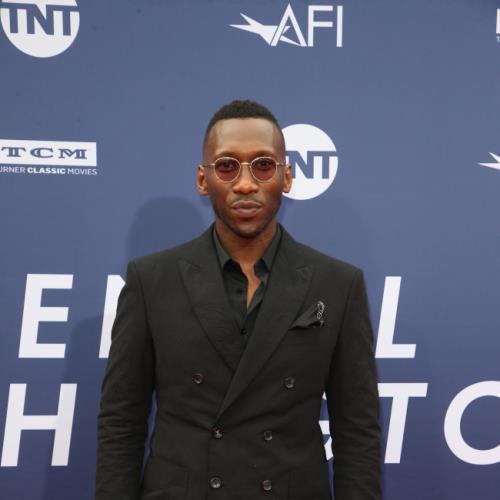
Oscar-winning actor Mahershala Ali has shared a candid perspective on the collapse of Marvel Studios’ highly anticipated Blade reboot, explaining that the project’s prolonged development hurdles and eventual stagnation left him feeling creatively redeemed rather than defeated. Speaking on his evolving career and future artistic directions, the acclaimed performer addressed how stepping away from the troubled superhero production cleared a path for a fresh creative partnership with the film’s original director, Yann Demange.
The cinematic adaptation of the half-vampire comic book hero first captured public attention when Marvel Studios president Kevin Feige announced Ali’s casting as Eric Brooks during San Diego Comic-Con in July 2019. What followed was a tumultuous five-year period marked by multiple writer revisions, director departures, and scheduling delays exacerbated by industry-wide labor strikes. By late 2024, Marvel officially removed the film from its release calendar, sparking widespread speculation about the future of the character within the Marvel Cinematic Universe franchise.
For Ali, however, the conclusion of that protracted chapter opened an unexpected door. Rather than viewing the shelving of the multi-million-dollar production as a setback, the two-time Academy Award winner reframed the experience as an artistic turning point. Industry analysts note that high-profile blockbusters frequently demand grueling multi-year commitments that can constrain an actor’s schedule, making the liberation from a stagnant production a rare opportunity for reinvention.
The Evolution and Stagnation of a Marvel Reboot
When Marvel Studios originally slated the Blade project, expectations ran exceptionally high. Ali personally approached Marvel executives after winning his second Oscar for Green Book, expressing a desire to take on the iconic role previously played by Wesley Snipes in the seminal 1998 New Line Cinema trilogy. Studio leadership enthusiastically embraced the pitch, setting the stage for what was intended to be a grounded, period-setting take on the supernatural lore.
Behind the scenes, the production struggled to find a cohesive narrative footing. Directors Bassam Tariq and later Yann Demange both boarded and subsequently exited the director’s chair as drafts passed through a revolving door of screenwriters, including Stacy Osei-Kuffour, Beau DeMayo, Michael Starrbury, Nic Pizzolatto, and Eric Pearson. As production timelines stretched from 2021 into late 2024, scheduling conflicts mounted alongside creative differences regarding tone, budget, and age-rating constraints.
By the time the studio formally pulled the title from its active release schedule, trade publications reported that creative burnout had become a significant factor for the principal cast. Yet Ali’s recent reflections indicate that the dissolution of the gargantuan studio machine allowed him to reclaim artistic autonomy over his choices, prioritizing character-driven storytelling over franchise obligations.
Creative Redemption Through New Collaborations
The most tangible upside of the Marvel project’s collapse has been the strengthening of professional bonds forged during its turbulent development. During interviews discussing his post-franchise trajectory, Ali highlighted his ongoing creative alignment with Yann Demange, the filmmaker who initially signed on to helm the vampire hunter feature in June 2022.
Although Demange eventually stepped away from the Marvel venture amid creative stagnation, his collaborative dynamic with the leading actor remained intact. According to industry reports, the duo used the dissolution of the studio project as a springboard to develop independent cinematic material tailored to their shared artistic sensibilities. This pivot underscores a broader trend among A-list talent seeking refuge from corporate franchise filmmaking in favor of creator-driven, risk-taking independent cinema.
Entertainment law and management experts point out that high-profile casting attachments often restrict actors from pursuing passion projects due to exclusivity clauses. When a studio project collapses amicably or officially, it frequently releases top-tier talent from golden handcuffs, enabling them to pivot toward more challenging, nuanced roles that resonate deeply with critics and audiences alike.
Industry Impact and What Lies Ahead
The shelving of the supernatural action film also serves as a broader bellwether for Hollywood studios reassessing their massive franchise pipelines. In the wake of shifting box office metrics and audience fatigue toward interconnected cinematic universes, major studios have increasingly prioritized quality control and script readiness over rushed production dates. Marvel Studios has recalibrated its output strategy, slowing down development cycles to ensure projects meet rigorous creative standards before cameras roll.
For Ali, the episode closes a chapter on one of the most talked-about unmade films of the decade while opening doors to prestige television, independent features, and character studies. Observers note that his ability to publicly process the project’s end with grace and professional optimism reinforces his standing as one of the industry’s most respected and disciplined actors.
As Marvel Studios continues to evaluate how—or even if—to reintroduce the iconic daywalker to future phases of its cinematic universe, Ali moves forward unencumbered. Fans of the actor can anticipate several upcoming dramatic projects born from the creative reset, signaling that sometimes the best career moves involve walking away from roles that no longer serve an artist’s growth. Stakeholders and industry followers await official studio updates regarding any future reinventions of the franchise property, while Ali’s focus remains firmly fixed on independent artistic renewal.
Worth a look