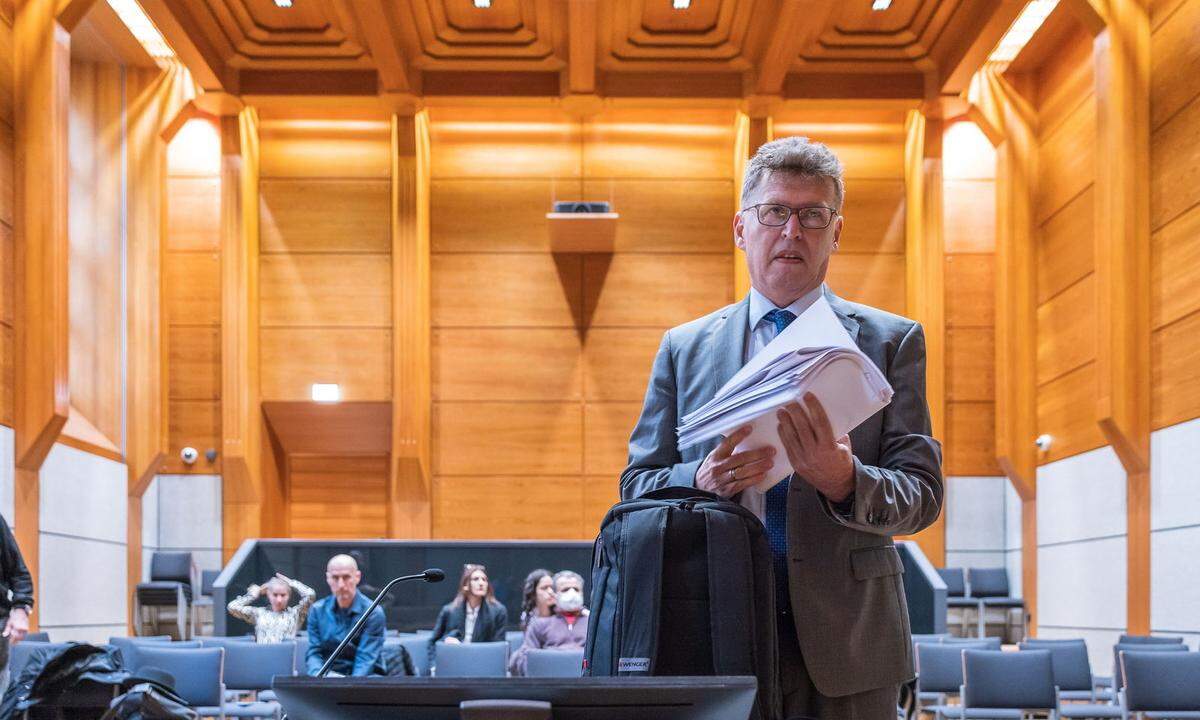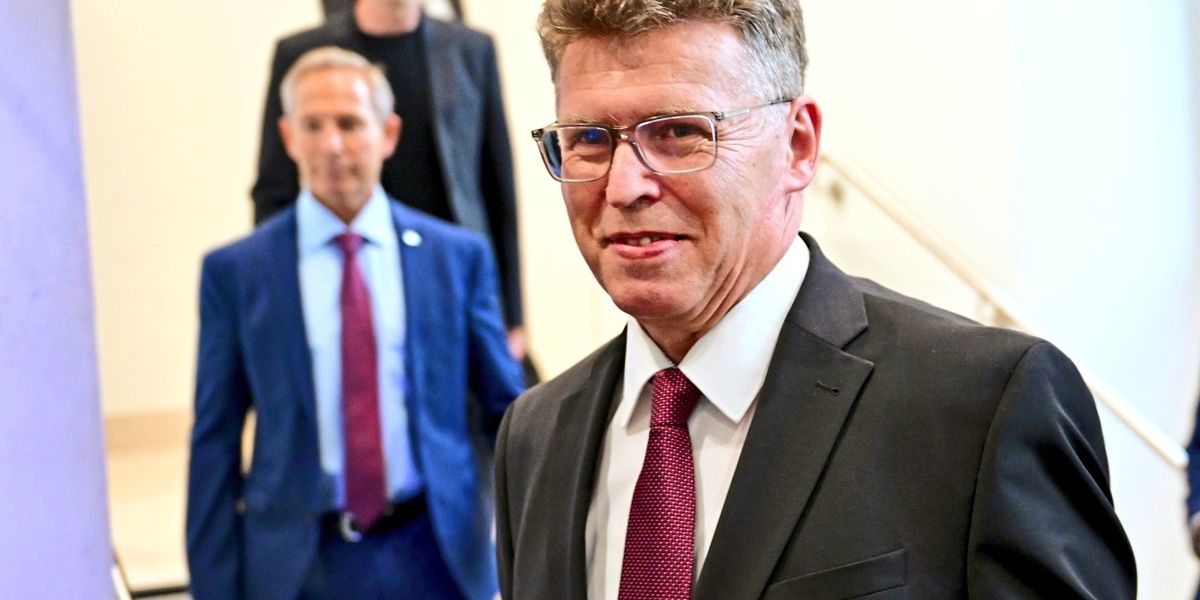
Johann Fuchs, the head of the Vienna Public Prosecutor’s Office (OStA Wien), testified on Tuesday before the parliamentary committee investigating the death of former Justice Ministry official Christian Pilnacek. Addressing allegations regarding his professional proximity to the late Sektionschef, Fuchs rejected the characterization that he acted as a personal moral guardian, or “Anstandswauwau,” for Pilnacek, according to reports from the Austrian Parliament.
The testimony, which took place as part of the ongoing inquiry into the circumstances surrounding the death of the former high-ranking official, focused on the professional relationship between the two men. Fuchs maintained that his interactions with Pilnacek were strictly professional and dictated by the procedural requirements of the justice system, rather than any informal oversight role, as noted by the Austrian Press Agency (APA).
Clarifying Professional Boundaries
During the session, Fuchs addressed concerns raised by committee members about whether he was aware of potential conflicts of interest or inappropriate conduct involving Pilnacek. The OStA Wien head asserted that he did not view himself as being in a position of conflict, nor did he feel compelled to exercise a supervisory role over Pilnacek’s private or personal affairs. He stated that at no point during their professional collaboration did he believe he was “befangen” (biased or conflicted), emphasizing that his duties were confined to the legal mandates of his office.
The inquiry, which has sought to reconstruct the final days of the former official, has brought in various experts to examine the physical evidence. Recently, forensic testimony has been presented to the committee regarding the nature of the injuries sustained by Pilnacek. According to Der Standard, medical experts have analyzed the evidence, suggesting that the injuries documented were consistent with a fall, rather than third-party intervention.
Evidence and Forensic Analysis
A significant portion of the inquiry has been dedicated to reconciling conflicting theories regarding the cause of death. Private investigators and medical experts have provided testimony aimed at clarifying the circumstances, with findings predominantly pointing toward an accidental event. As reported by the Kurier, the consensus among the experts consulted for the committee is that the evidence supports a fatal accident rather than a criminal act.
These findings are part of a broader effort to address public and political speculation surrounding the death of a figure who held significant influence within the Austrian justice apparatus. The committee has been tasked with reviewing internal communications and administrative processes that were active at the time of the incident.
The Scope of the Parliamentary Inquiry
The parliamentary committee, established to ensure transparency regarding the administration of justice, continues to review testimony from various officials within the judiciary. By focusing on the roles of individuals such as Johann Fuchs, the committee aims to determine whether institutional protocols were followed correctly. The Die Presse has documented the committee’s focus on the communication channels between the Ministry of Justice and the various public prosecutor offices during the period in question.
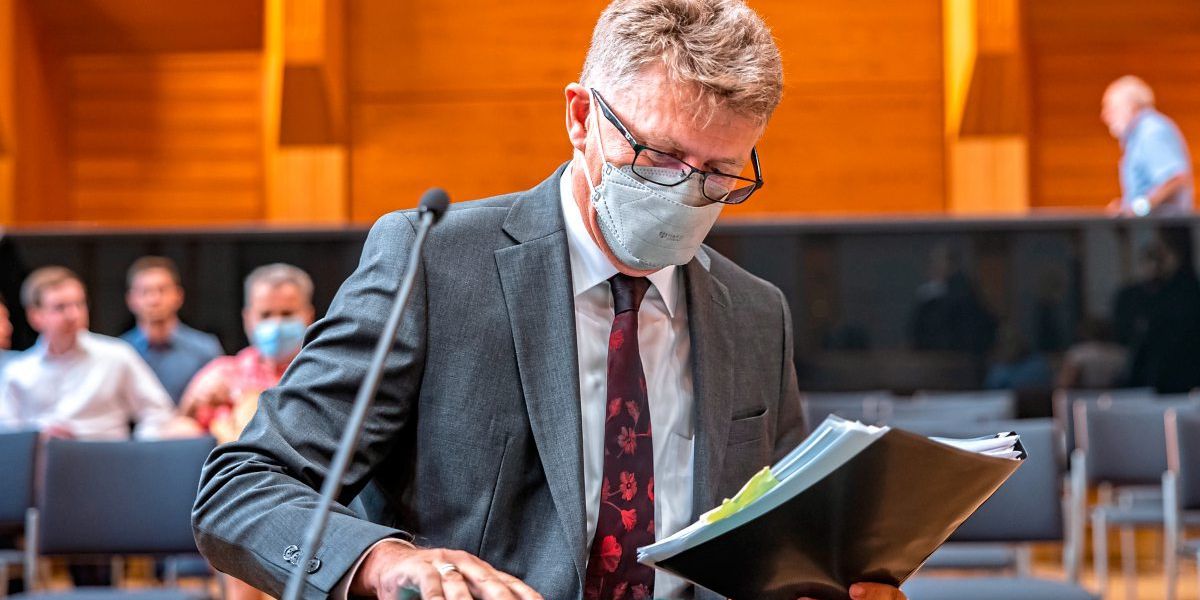
For observers of the Austrian legal system, the proceedings represent an attempt to resolve questions regarding administrative accountability. The committee’s work remains ongoing, with further sessions scheduled to review additional documentation and testimony from key personnel involved in the oversight of justice ministry operations.
Next Steps for the Committee
The committee is expected to continue its examination of witness statements and forensic reports in the coming weeks. Official updates regarding the progression of the inquiry are made available through the official parliamentary portal, which provides records of the hearings and summaries of the evidence presented. Members of the public and stakeholders interested in the outcome of these proceedings can monitor these channels for updates on future hearing dates and the eventual publication of the committee’s findings.