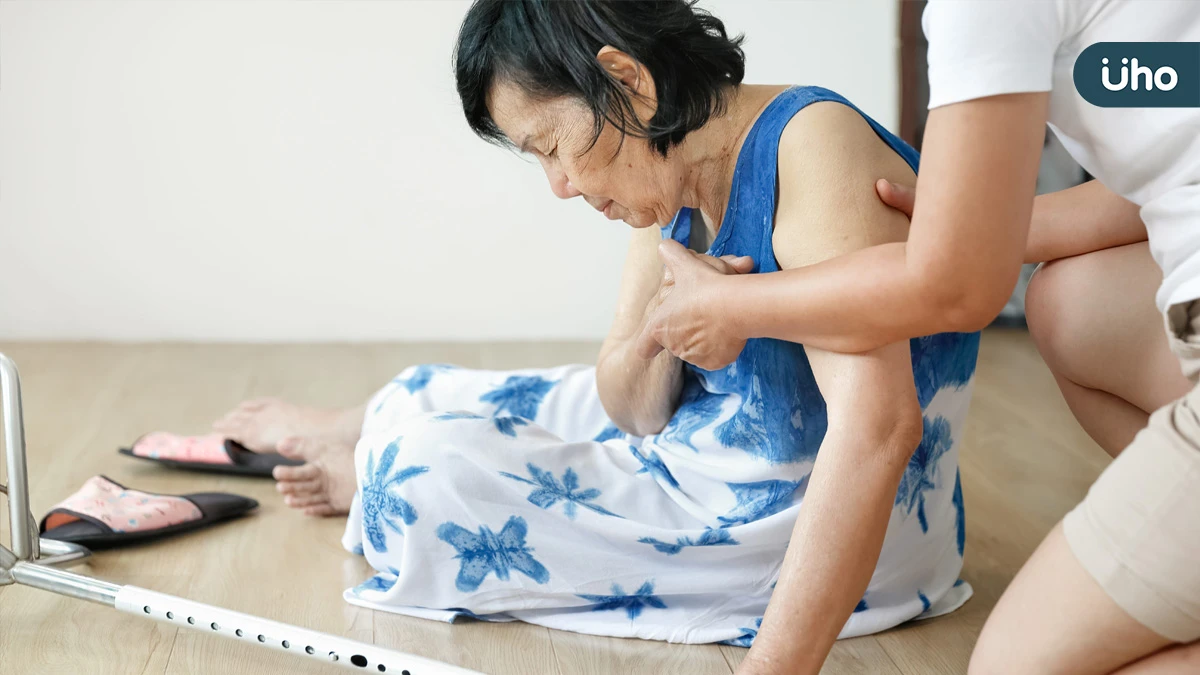
People with severe osteoporosis face a high risk of fractures from minimal impact, including the simple act of stepping out of a vehicle, according to medical warnings for seniors traveling during summer holidays. These “fragility fractures” occur when bones become so porous that normal daily movements or minor stumbles lead to breaks, particularly in the hip, spine, and wrist.
The risk is heightened during travel due to unfamiliar environments, the physical strain of boarding transportation, and the potential for sudden loss of balance. For high-risk individuals, a single misplaced step while exiting a car or bus can result in a hip fracture, which often leads to prolonged immobilization and significant loss of independence.
Osteoporosis is a systemic skeletal disorder characterized by low bone mass and micro-architectural deterioration of bone tissue. According to the World Health Organization, this condition increases the fragility of the skeleton and the risk of fracture, often progressing silently until a bone breaks.
How Low-Impact Movements Trigger Fractures
In healthy adults, bones can absorb the shock of a sudden movement or a slight trip. However, in patients with advanced osteoporosis, the internal honeycomb structure of the bone thins. This means that the mechanical stress applied during a “stepping motion”—such as stepping down from a high SUV or a tour bus—can exceed the bone’s structural integrity.
Medical professionals note that the hip is particularly vulnerable during these transitions. A slight twist of the torso combined with a downward step can create a shearing force on the femoral neck. Because the bone is brittle, it may snap without a significant fall, a phenomenon known as a spontaneous or low-energy fracture.
The risk is not limited to the legs. Wrist fractures are common when seniors instinctively reach out to break a fall after a minor slip. Spinal compression fractures can also occur from the jarring motion of a vehicle stopping abruptly or the effort of lifting heavy luggage into a trunk.
Identifying High-Risk Groups and Warning Signs
While osteoporosis affects many aging adults, certain demographics are at a higher risk for fragility fractures. Women post-menopause are the primary group due to the decline in estrogen, which protects bone density. However, men also experience bone loss, often at a slower rate but with higher mortality rates following a hip fracture.
Other risk factors include long-term use of corticosteroid medications, certain endocrine disorders, and a history of smoking or excessive alcohol consumption. According to the National Osteoporosis Foundation, a family history of hip fractures significantly increases an individual’s likelihood of developing the condition.
Because bone loss is asymptomatic, many seniors are unaware of their risk until a fracture occurs. Common indicators that may suggest underlying bone weakness include a loss of height over time or a change in posture, such as a stooped back (kyphosis), which indicates vertebral compression.
Preventative Strategies for Senior Travel
To reduce the risk of injury during summer trips, caregivers and seniors should implement specific physical safeguards. The transition from a vehicle to the ground is the most critical point of failure.
Medical guidance suggests the following precautions:
- Three-Point Contact: Ensure the senior maintains a firm grip on a handle or the arm of a companion before attempting to step down.
- Slow Transitions: Allow the senior to pivot their body fully toward the exit before stepping, avoiding any twisting motions of the hip while the foot is in the air.
- Appropriate Footwear: Use sturdy, non-slip shoes with adequate arch support to prevent the minor slips that lead to fractures.
- Environmental Assessment: Check the ground surface for uneven pavement, wet tiles, or gaps between the vehicle and the curb before the senior exits.
For those with a confirmed diagnosis of osteoporosis, the use of mobility aids such as canes or walkers is recommended even if the person feels stable, as these tools distribute weight and provide a secondary point of balance during unpredictable movements.
Long-Term Management and Bone Health
Preventing travel-related fractures requires a baseline of bone health management. This typically involves a combination of pharmacological treatment and lifestyle adjustments. Bisphosphonates and other bone-building medications are often prescribed to increase bone mineral density and reduce the frequency of fractures.
Nutritional intake plays a vital role in maintaining skeletal strength. Calcium and Vitamin D are essential; however, medical providers caution against high-dose supplementation without supervision, as excessive calcium can lead to kidney stones or vascular calcification. The Mayo Clinic emphasizes that dietary calcium from leafy greens, dairy, and fortified foods is generally preferred.
Weight-bearing exercises, such as walking or light resistance training, help stimulate bone growth and improve balance. For seniors, balance training—such as Tai Chi—is specifically recommended to reduce the incidence of falls, which are the primary catalyst for osteoporotic fractures.
The next critical step for high-risk seniors is to schedule a Dual-energy X-ray Absorptiometry (DXA) scan to establish a baseline bone density score (T-score) before embarking on extensive travel. This diagnostic tool allows physicians to categorize the severity of bone loss and prescribe the appropriate preventative medication.
If you have questions about bone density screenings or travel safety for elderly family members, please share your experiences or queries in the comments below.
Worth a look