
San Francisco, CA – As World Sleep Day passed this week, new data suggests that Australians and New Zealanders are among the world’s best sleepers, but not without a caveat: high levels of daily stress are impacting the quality of their rest. A new report from wearable tech company Ōura, titled “ANZ: The State of Sleep Report 2026,” analyzed sleep patterns from its Ōura Ring users across both countries, revealing insights into sleep duration, sleep stages, and the impact of stress on recovery. The findings highlight a growing trend of individuals using technology to understand and optimize their sleep, but as well underscore the importance of addressing daytime stressors for truly restorative rest.
The Ōura report, launched at an event in Sydney’s Centennial Park, paints a picture of generally healthy sleep habits in the region. Australians average 74 minutes of deep sleep each night, closely followed by New Zealanders at 72 minutes. Both countries also share similar amounts of REM sleep, averaging 94 minutes per night. Interestingly, the data indicates a strong awareness of chronotypes – whether someone is a “morning person” or “night owl” – with 43% of Australians and 39% of New Zealanders identifying as early risers or morning types. Average bedtimes fall around 10:51 PM in Australia and 10:46 PM in New Zealand, with wake times around 7:05-7:07 AM. Though, this seemingly positive sleep profile is tempered by significant levels of physiological stress.
Stress: The Silent Disruptor of Sleep
Despite achieving adequate sleep duration, Australians are experiencing an average of 107 minutes of physiological stress daily, while New Zealanders aren’t far behind at 101 minutes. This elevated stress level, according to Ōura’s Chief Marketing Officer Doug Sweeney, is a key factor impacting overall recovery. “What we’re seeing in Australia and New Zealand is a reminder that sleep duration alone doesn’t inform the full story,” Sweeney stated. “Recovery is a 24-hour equation: if stress isn’t managed during the day, the body carries that load into the night.” This suggests that even with sufficient time in bed, the body may struggle to fully repair and rejuvenate if it’s constantly in a state of heightened alert.
The concept of physiological stress, as measured by devices like the Ōura Ring, goes beyond simply feeling overwhelmed. It refers to the body’s physical response to stressors, including increased heart rate, elevated cortisol levels, and muscle tension. Chronic physiological stress can disrupt sleep architecture, leading to lighter, more fragmented sleep and hindering the restorative benefits of deep and REM sleep. This can have cascading effects on physical and mental health, impacting everything from immune function to cognitive performance.
The Ōura Ring 4: A Window into Sleep and Recovery
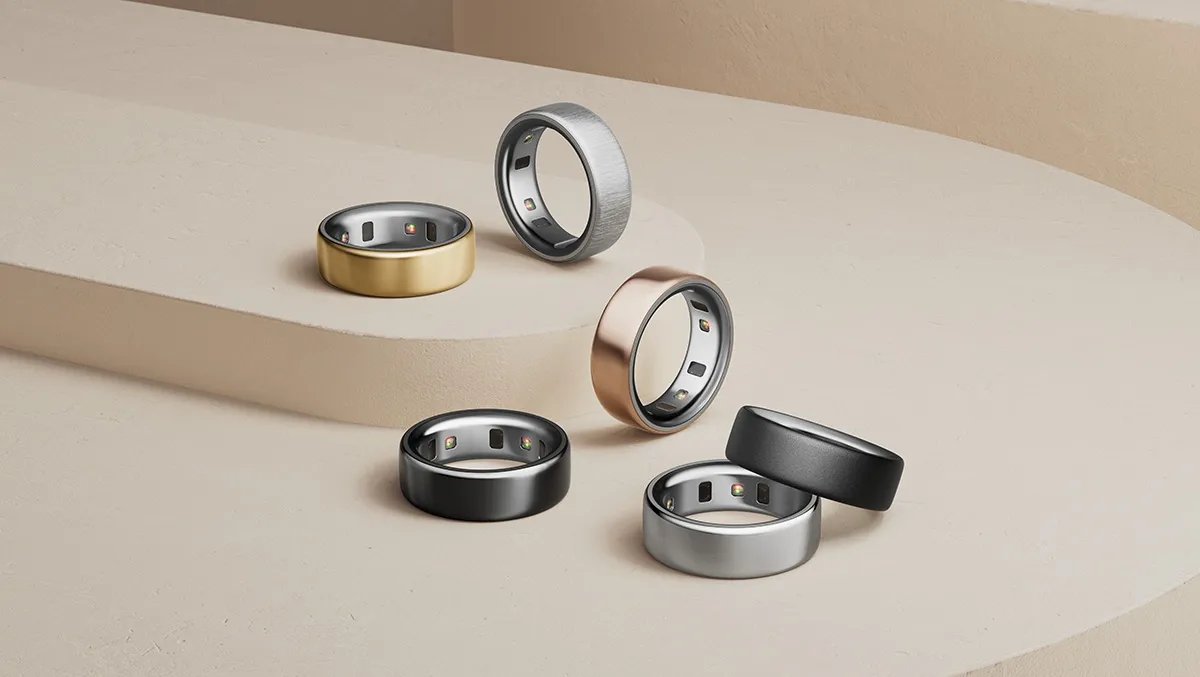
The Ōura Ring 4, launched in Australia and New Zealand late last year, is a key tool in understanding these complex relationships between sleep, stress, and recovery. The ring, crafted from lightweight titanium and available in various colors, utilizes a suite of sensors to monitor a range of physiological data, including heart rate, skin temperature, and movement. This data is then analyzed using artificial intelligence to provide users with insights into their sleep stages, activity intensity, and stress levels. The Ōura app presents this information in a user-friendly format, offering personalized recommendations for improving sleep and overall well-being.
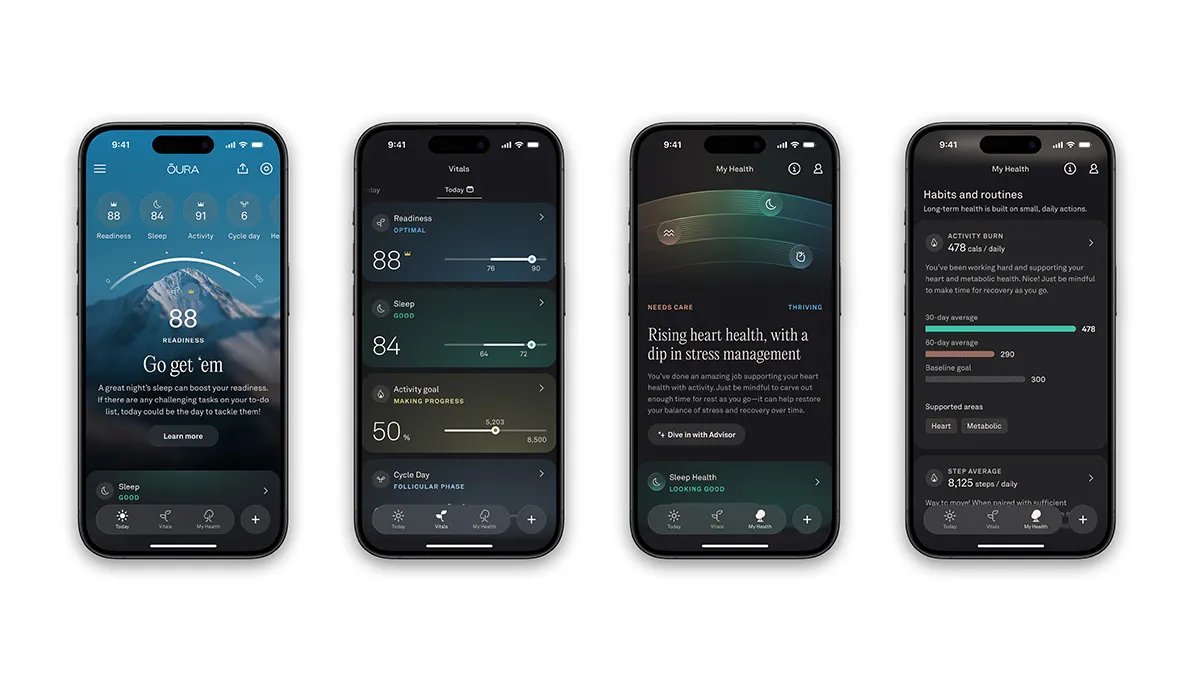
The technology behind the Ōura Ring builds on a growing body of research into sleep tracking and biometric monitoring. Wearable devices have grow increasingly sophisticated in their ability to accurately measure sleep stages, although it’s important to note that consumer-grade devices are not medical-grade and should not be used for diagnostic purposes. However, they can provide valuable insights into individual sleep patterns and help users identify potential areas for improvement. The Ōura Ring’s focus on both sleep *and* stress sets it apart, recognizing that these two factors are inextricably linked.
Aligning with Biology: The Power of Habit and Routine
The Ōura report suggests that Australians and New Zealanders are already demonstrating a degree of self-awareness when it comes to their sleep habits. The high percentage of individuals who identify as morning types and adjust their routines accordingly indicates a recognition of the importance of aligning with their natural circadian rhythms. Maintaining consistent bedtimes and wake times, even on weekends, is a cornerstone of good sleep hygiene, as it helps to regulate the body’s internal clock. Compact, incremental changes to daily routines can also have a significant impact on sleep quality.
Experts in sleep medicine consistently emphasize the importance of establishing a relaxing bedtime routine, creating a sleep-conducive environment (dark, quiet, and cool), and avoiding stimulants like caffeine and alcohol before bed. Managing stress throughout the day is also crucial. Techniques such as mindfulness meditation, deep breathing exercises, and regular physical activity can help to reduce cortisol levels and promote relaxation. The Ōura Ring, by providing data on stress levels, can serve as a reminder to prioritize these stress-reducing activities.
The Broader Context: Sleep and Public Health
The focus on sleep quality in Australia and New Zealand comes at a time of growing global awareness of the importance of sleep for overall health and well-being. The Centers for Disease Control and Prevention (CDC) estimates that over 35% of adults in the United States do not get enough sleep regularly. CDC Sleep Data and Statistics Insufficient sleep has been linked to a wide range of health problems, including cardiovascular disease, diabetes, obesity, and mental health disorders.
The increasing use of wearable technology like the Ōura Ring reflects a broader trend towards proactive health management. Individuals are taking greater ownership of their health data and using it to make informed decisions about their lifestyles. This trend is likely to continue as technology becomes more sophisticated and accessible. However, it’s important to remember that technology is just one tool in the toolbox. A holistic approach to health, encompassing healthy diet, regular exercise, stress management, and adequate sleep, is essential for optimal well-being.
Looking ahead, Ōura plans to continue expanding its research and development efforts, focusing on personalized insights and interventions to improve sleep and recovery. The company is also exploring partnerships with healthcare providers and employers to integrate its technology into broader wellness programs. The ultimate goal is to empower individuals to take control of their health and unlock their full potential through the power of sleep.
The next step for Ōura will be releasing a more detailed analysis of the data collected from its users, potentially breaking down sleep patterns by age, gender, and lifestyle factors. This information will be invaluable for further understanding the nuances of sleep and developing targeted interventions. Readers interested in learning more about the Ōura Ring and the ANZ: The State of Sleep Report 2026 can visit the Ōura website. What are your thoughts on using technology to track and improve your sleep? Share your experiences in the comments below.
Related reading