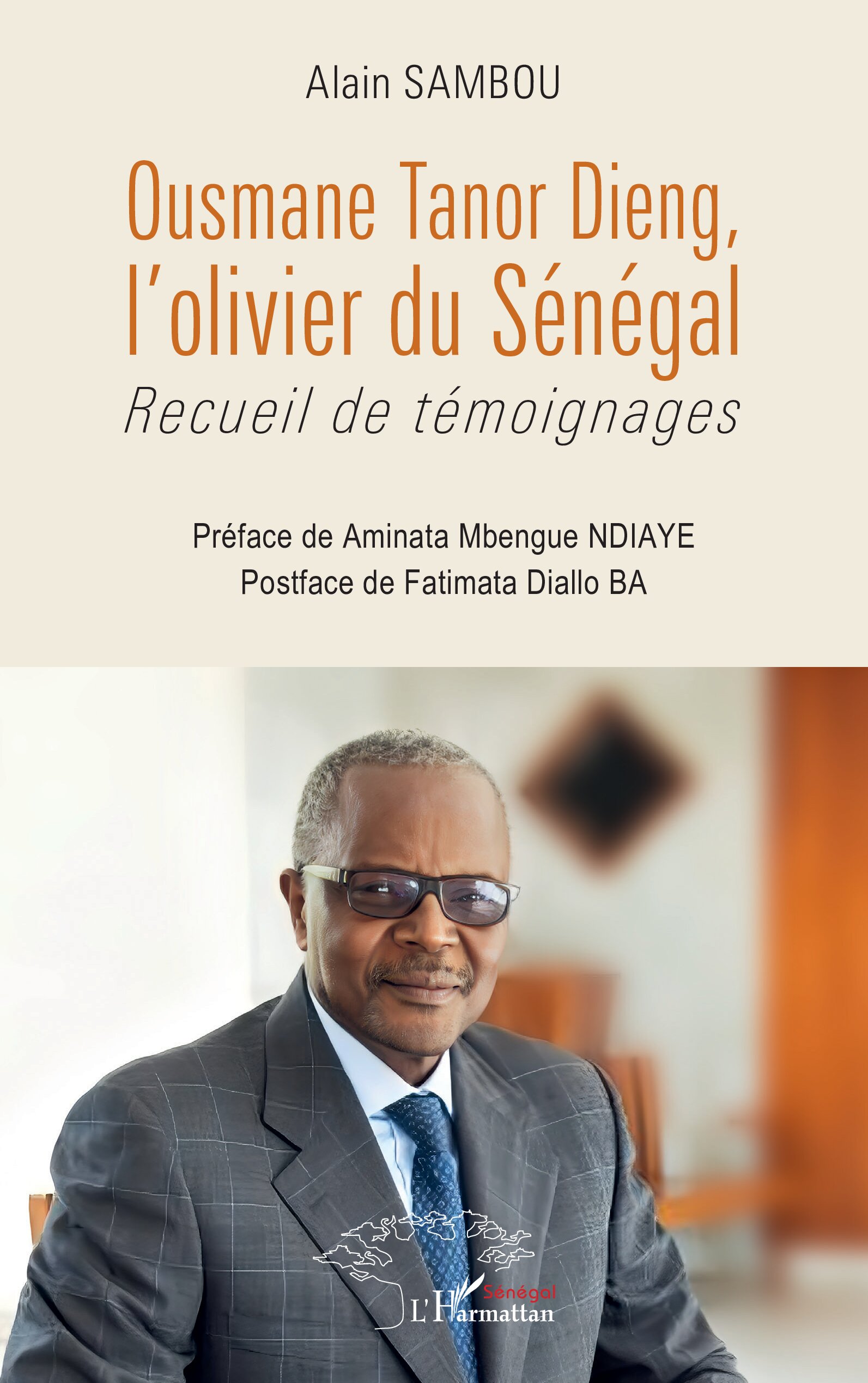
Ousmane Tanor Dieng, a central figure in Senegalese political life for over four decades, remains a defining reference point for administrative rigor and institutional continuity in West African governance. As the former Secretary General of the Socialist Party (PS) and a close advisor to multiple administrations, Dieng’s career was marked by a disciplined approach to public service that continues to influence contemporary political debates in Senegal regarding the role of party leadership and state stability.
The Evolution of a Political Strategist
Born in 1947 in Nguéniène, Ousmane Tanor Dieng rose to national prominence through his work in the diplomatic service and his close association with Senegal’s first president, Léopold Sédar Senghor. According to official biographical data, Dieng served as the Chief of Staff to President Abdou Diouf, a position that solidified his influence within the Socialist Party machinery. His tenure was characterized by a transition from the intellectual foundations established by Senghor to the practical, often demanding, realities of managing a post-colonial state apparatus.
Dieng’s leadership of the Socialist Party, which he assumed in 1996, occurred during a period of significant political shifting in Senegal. He played a critical role in navigating the party through the 2000 election, which saw the first peaceful transfer of power in the nation’s history to an opposition candidate, Abdoulaye Wade. Analysts often point to this period as the moment Dieng transitioned from a behind-the-scenes strategist to a public face of political endurance, maintaining the PS as a viable force even after losing the presidency.
Institutional Rigor and the High Council of Local Authorities
In his later years, Dieng served as the President of the High Council of Local Authorities (HCCT), an institution created to decentralize governance and provide a consultative platform for local elected officials. This role reflected his long-standing commitment to the administrative structure of the state. As reported by the Government of Senegal, the HCCT was established to bridge the gap between central government policy and the specific needs of regional municipalities, a task Dieng approached with the same bureaucratic precision that defined his earlier career.
His work at the HCCT is frequently cited by political observers as an attempt to professionalize the role of local representatives. By focusing on the mechanics of decentralization, Dieng sought to move beyond ideological rhetoric, emphasizing instead the technical requirements of development and regional administration. This focus on “rigueur”—a term often used by his contemporaries to describe his work ethic—remains a subject of study for those examining how political parties in Senegal attempt to maintain relevance within an evolving democratic framework.
The Legacy of Political Responsibility
The concept of “responsibility” in Dieng’s career is often linked to his efforts to keep the Socialist Party intact during periods of internal dissent and external pressure. Following the 2000 election loss, the party faced significant fragmentation. Dieng’s strategy, which prioritized party discipline over individual ambition, was a source of both strength and friction. According to reports from the African Development Bank regarding political stability in the region, the ability of established parties to manage internal transitions is a key indicator of democratic health.
Dieng passed away on July 15, 2019, in Paris, an event that triggered a period of national mourning and prompted a broader reflection on the transition of power within Senegal’s historical political institutions. At the time of his death, he was recognized by various political factions for his role in maintaining the continuity of the state. His influence persists through the current generation of leaders who worked under his tenure, many of whom continue to navigate the balance between party loyalty and the demands of a modernizing electorate.
Continuity and Future Political Directions
The current political landscape in Senegal continues to grapple with the challenges Dieng navigated: the integration of youth into traditional party structures and the necessity of decentralization. The institutions he helped shape, particularly the HCCT, remain active components of the Senegalese administrative system. For those interested in tracking the ongoing impact of these institutions, official updates and mandates can be monitored through the General Secretariat of the Government of Senegal.
As the political discourse in Senegal shifts toward new electoral cycles, the “Tanorian” model of leadership—defined by discretion, loyalty to the institution, and a focus on procedural accuracy—is frequently invoked. Whether this model remains effective in an era of digital-age campaigning and decentralized political movements remains a central question for political scientists and observers of West African democracy. The ongoing discussions surrounding the reform of state institutions suggest that the debates Dieng participated in are far from settled.
Readers interested in the historical context of these developments may follow the official archives of the National Archives of Senegal for documentation on the evolution of the country’s party system. We encourage our readers to share their perspectives on the impact of political institutionalism in the comments section below.
Worth a look