/cloudfront-us-east-2.images.arcpublishing.com/reuters/LUPGSFOOWJLO3APMNLULVZJSUU.jpg)
Mauritanian Coastguards Rescue Over 1,000 Migrants in Ten-Day Atlantic Surge
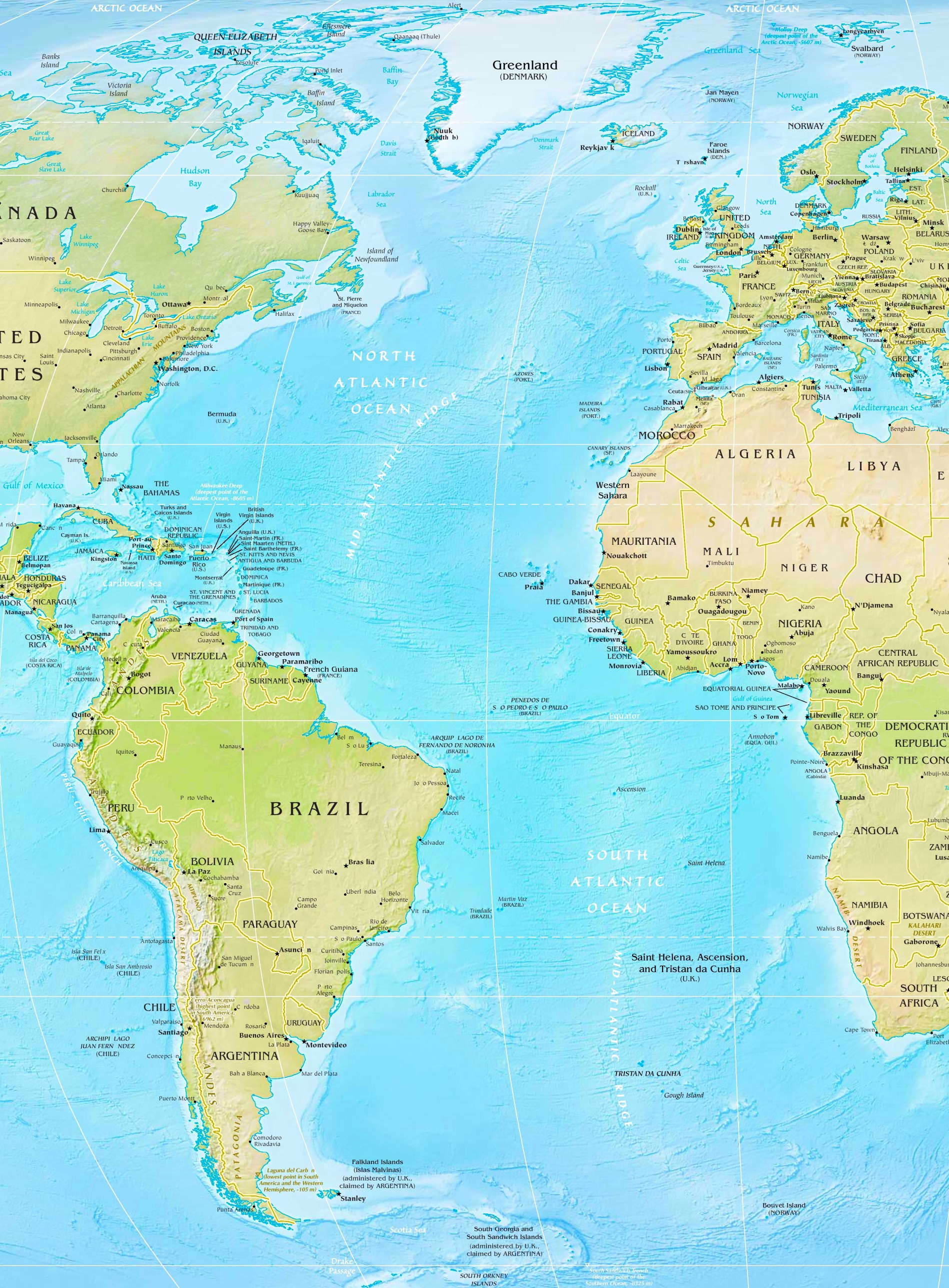
Mauritanian coastguards rescued 1,076 migrants from the Atlantic Ocean over a ten-day period, according to reports from the news agency AFP. This sudden increase in maritime rescues indicates a significant reactivation of the Atlantic migration route, which involves West African migrants attempting dangerous sea crossings toward the Canary Islands, a Spanish territory.
The surge in rescues highlights the increasing volatility of migration patterns along the West African coastline. Authorities in Mauritania confirmed the figures to international media, noting that the scale of the operations reflects a concentrated period of maritime distress and attempted crossings in Mauritanian waters.
Why is the Atlantic migration route seeing a sudden surge?
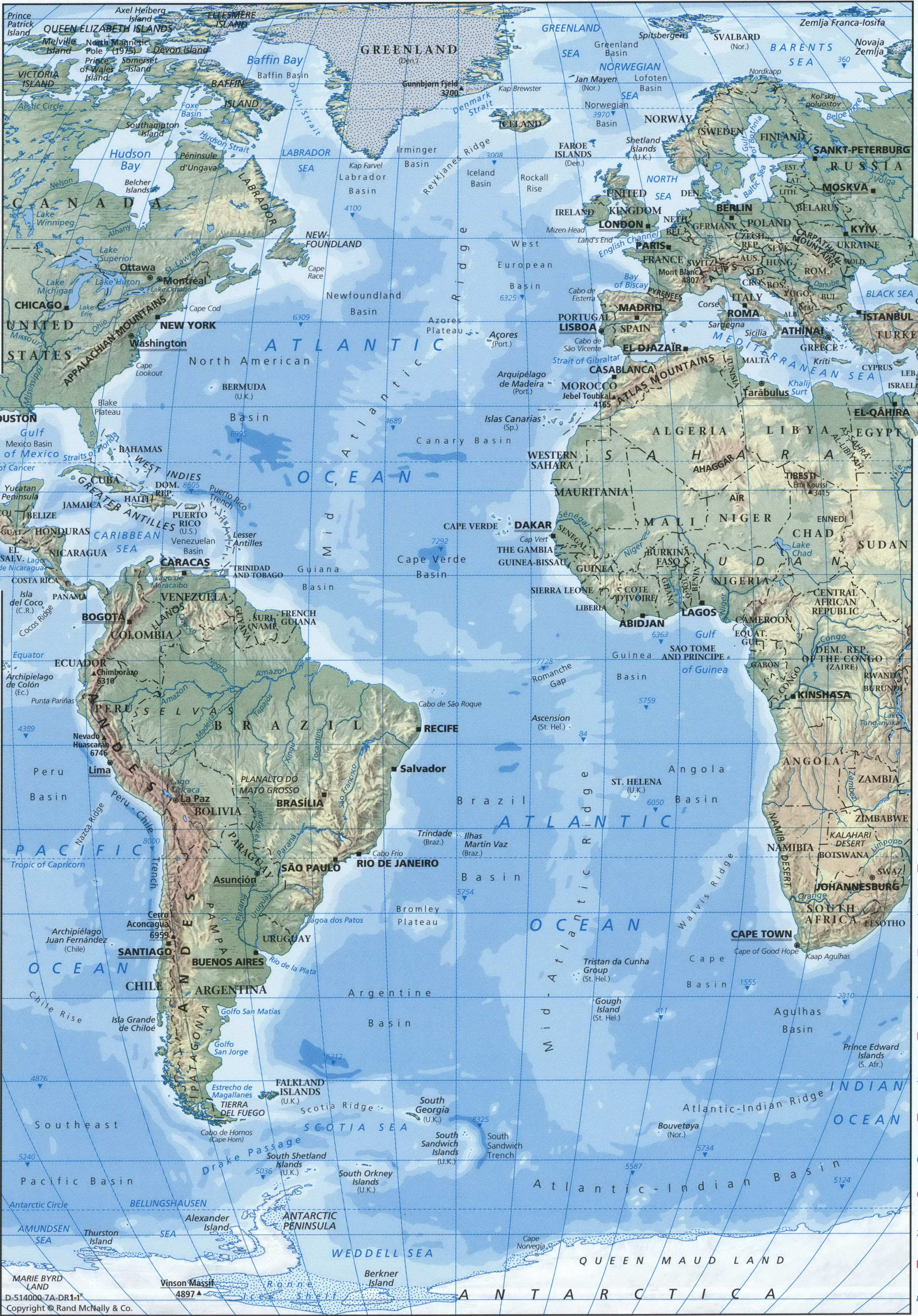
The reactivation of the Atlantic route suggests that migratory pressures in West Africa are shifting or intensifying. While the Mediterranean route remains a primary path for many seeking entry into Europe, the Atlantic route—stretching from the coasts of Senegal, Mauritania, and The Gambia toward the Canary Islands—has seen a resurgence in activity. Analysts suggest that increased enforcement or changing conditions in other transit hubs may be pushing more individuals toward this maritime corridor.
Economic instability, political unrest in the Sahel region, and climate-driven displacement continue to serve as primary drivers for migration in West Africa. As these factors coalesce, more individuals are willing to undertake the high-risk journey across the Atlantic. The use of small, often unseaworthy vessels, such as wooden skiffs or inflatable boats, remains a constant factor in these dangerous crossings.
The concentration of rescues in Mauritanian waters specifically points to the country’s strategic, yet challenging, position as a transit point. Mauritania sits at a geographic crossroads between the Sahelian interior and the Atlantic Ocean, making its coastline a focal point for both maritime security and humanitarian efforts.
What are the risks of the maritime crossing to the Canary Islands?
Crossing the Atlantic toward the Canary Islands is widely considered one of the most perilous migration paths in the world. Unlike the relatively sheltered Mediterranean, the Atlantic Ocean presents massive swells, unpredictable weather patterns, and long distances that can quickly overwhelm small vessels.
The primary risks identified by maritime safety experts include:
- Vessel Instability: Most migrant vessels are not designed for open-ocean navigation and are frequently overloaded, increasing the risk of capsizing.
- Extreme Weather: Sudden changes in Atlantic wind and wave patterns can leave migrants stranded far from land without adequate supplies.
- Distance and Exhaustion: The journey requires several days of continuous travel, leading to severe dehydration and physical exhaustion among passengers.
The rescue of 1,076 people in just ten days underscores the frequency of these near-miss incidents. Each rescue operation requires significant coordination between the Mauritanian coastguard and potentially other regional maritime authorities to ensure the safety of both the migrants and the rescue crews.
How does Mauritania’s role impact EU migration policy?
Mauritania plays a critical role in the European Union’s broader strategy to manage migration from West Africa. The EU has historically provided support to North and West African nations to enhance maritime surveillance and border control. This cooperation is intended to intercept migrant vessels before they reach European waters, such as the Canary Islands.
The recent spike in rescues places additional strain on Mauritania’s national resources. As the country manages these large-scale maritime operations, the pressure to balance humanitarian obligations with border security mandates increases. The frequency of these rescues often triggers discussions between African governments and EU officials regarding funding for maritime patrol capabilities and the management of migrant reception centers.
The scale of the recent rescues—averaging over 100 people per day—demonently tests the capacity of the Mauritanian coastguard. Effective management of these surges is a central component of the diplomatic and security relationship between Nouakchott and Brussels.
Comparing Atlantic and Mediterranean migration trends
While the Mediterranean route has traditionally seen higher volumes of migrant arrivals in Europe, the Atlantic route is characterized by different maritime dynamics and different points of origin. The following table compares the general characteristics of these two major migration corridors based on recent reporting trends.
| Feature | Mediterranean Route | Atlantic Route (Canary Islands) |
|---|---|---|
| Primary Destinations | Italy, Greece, Spain | Canary Islands (Spain) |
| Maritime Conditions | Relatively calmer, though still dangerous | High swells, unpredictable Atlantic weather |
| Primary Transit Countries | Libya, Tunisia, Morocco | Mauritania, Senegal, Gambia |
| Recent Trend | Persistent, high-volume fluctuations | Growing surge in recent maritime rescues |
The data from the Mauritanian coastguard suggests that the Atlantic route is not merely a secondary path but a major, active corridor that requires dedicated maritime monitoring. The scale of the 1,076 rescues in ten days aligns with a broader trend of increased maritime activity along the West African coast.
Official updates regarding maritime security and migrant statistics in the region are typically released through the Mauritanian Ministry of Interior or via international news agencies like RFI. Future developments will likely depend on the continued capacity of the Mauritanian coastguard to respond to these large-scale maritime incidents.
Do you have thoughts on the shifting migration routes in West Africa? Share this article and join the conversation in the comments below.
Keep reading