
As the sun sets on Monday, May 18, 2026, California finds itself under siege by a relentless wave of wildfires that have forced emergency responses across the state. While the sports world remains focused on the upcoming UEFA Champions League final and Olympic qualifiers, the reality on the ground in Southern California is one of urgency and coordination. More than 200 firefighters—deployed by local counties and state agencies—are battling multiple blazes, with the most critical being the rapidly expanding Sandy Fire in Ventura County. This is not an isolated event; This proves part of a broader pattern of wildfires that have already scorched thousands of acres in recent days, prompting mandatory evacuations and raising alarms about the region’s resilience in the face of worsening climate conditions.
The Sandy Fire, which ignited late Sunday and gained momentum overnight, has become the focal point of emergency efforts. By early Monday morning, the blaze had already consumed at least 184 acres and threatened homes in Simi Valley, a city of nearly 130,000 residents located just north of Los Angeles. Authorities have issued mandatory evacuation orders for neighborhoods in the fire’s path, with residents given little time to secure belongings before fleeing. The fire’s rapid spread—fueled by dry conditions, strong winds, and dense vegetation—has overwhelmed containment efforts, forcing firefighters to rely on aerial support and strategic backfires to create defensive lines.
This is not the first major wildfire to strike California in 2026. Earlier this month, the Hughes Fire in San Diego County burned over 10,000 acres and displaced more than 31,000 people, underscoring the state’s vulnerability to these catastrophic events. Climate experts warn that the frequency and intensity of wildfires in California are directly linked to rising global temperatures and prolonged droughts, trends that show no signs of abating. With the region still recovering from the economic and emotional toll of past fires—such as the devastating 2020 August Complex Fire, which burned nearly a million acres—the current crisis serves as a stark reminder of the challenges ahead.
Sandy Fire: A Race Against Time in Ventura County
The Sandy Fire’s trajectory has been particularly alarming due to its proximity to urban areas. Unlike many wildfires that burn in remote wilderness, this blaze is threatening residential zones, forcing authorities to balance the need for swift action with the safety of civilians. As of Monday afternoon, the fire had destroyed at least one property and damaged several others, though the full extent of the damage remains unclear as firefighting efforts continue. The Ventura County Fire Department, in coordination with the California Department of Forestry and Fire Protection (CAL FIRE), has deployed additional resources, including helicopters and bulldozers, to reinforce containment lines.
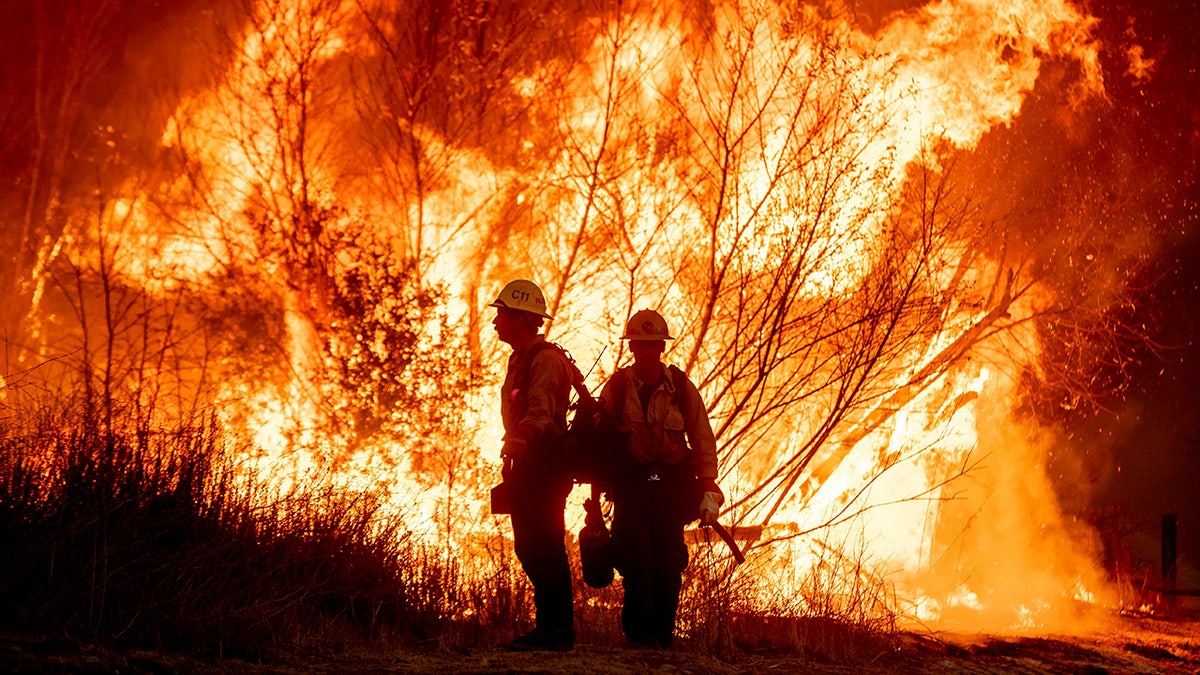
Residents in the evacuation zones have shared harrowing accounts of the fire’s progression, with some describing the sky turning orange as smoke billows into the air. Social media platforms have become a lifeline for those seeking updates, with local officials urging residents to monitor alerts from the California Department of Forestry and Fire Protection and the Ready for Wildfire program for real-time information. The situation has also prompted concerns about air quality, as smoke from the fire has begun to affect neighboring communities, including parts of Los Angeles County.
Broader Impact: Wildfires and California’s Climate Crisis
The Sandy Fire is part of a larger narrative about California’s struggle with wildfires, a crisis that has deepened in recent years. According to data from the California Department of Forestry and Fire Protection, the state has seen an average of 7,000 wildfires annually over the past decade, with the most destructive events often occurring during the dry summer months. However, the current surge in activity—with multiple large fires burning simultaneously—has raised questions about whether the state’s fire management strategies are adequate to meet the challenges posed by climate change.

Experts point to several contributing factors, including the state’s prolonged drought, the accumulation of dry vegetation, and the increasing frequency of Santa Ana winds, which can turn a modest fire into a wildfire within hours. The El Niño weather pattern, which is expected to bring warmer temperatures and reduced rainfall to parts of California later this year, could further exacerbate the situation. While El Niño typically brings heavier rains to some regions, its impact on wildfire risk is complex and depends on timing and location. For now, the focus remains on containing the current blazes and protecting communities.
In response to the growing threat, California has invested heavily in fire prevention and preparedness. Programs like Ready for Wildfire provide residents with resources to harden their homes against wildfires, while state agencies have expanded their use of prescribed burns to reduce fuel loads in high-risk areas. However, critics argue that more needs to be done to address the root causes of wildfires, particularly the need for better forest management and a reduction in greenhouse gas emissions.
What’s Next: Evacuation Orders, Air Quality Alerts, and Long-Term Recovery
For residents in the path of the Sandy Fire, the next 24 hours will be critical. Authorities are urging those under evacuation orders to leave immediately and avoid returning until officials declare it safe. Shelters have been set up in nearby cities, including Thousand Oaks and Oxnard, to accommodate displaced families. Meanwhile, air quality alerts have been issued for parts of Ventura and Los Angeles Counties, with health officials advising vulnerable populations—such as the elderly, children, and those with respiratory conditions—to stay indoors and use air purifiers if possible.
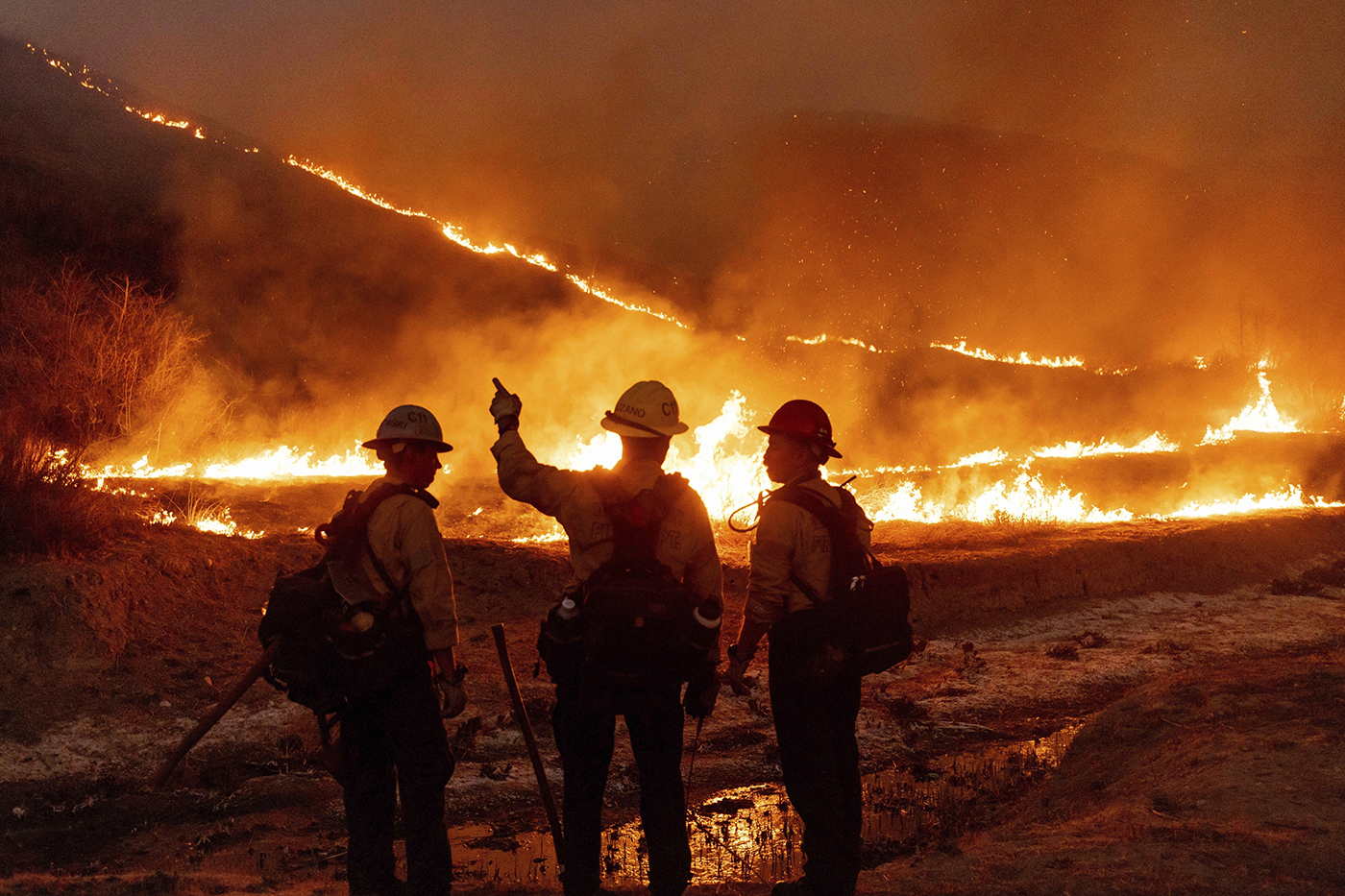
Looking ahead, the situation remains fluid. Firefighters are bracing for another day of challenging conditions, with winds expected to shift and potentially push the fire toward new areas. The California Interagency Incident Management Team is coordinating resources across multiple agencies, including the U.S. Forest Service and federal emergency response teams. The next official update from CAL FIRE is anticipated by Tuesday morning, May 19, when a more comprehensive assessment of the fire’s impact and containment efforts will be released.
As California grapples with this latest crisis, the broader question remains: How can the state better prepare for the wildfires of the future? With climate models predicting more frequent and severe fire seasons, the answer will require not just immediate action but long-term investment in resilience. For now, the focus is on safety, containment, and support for those affected.
Key Takeaways
- Sandy Fire in Ventura County has forced mandatory evacuations and destroyed at least one property, with firefighters battling to contain its spread.
- Over 200 firefighters are deployed, with aerial support and strategic backfires being used to create defensive lines.
- The fire is part of a broader pattern of wildfires in California, with climate change and drought cited as major contributing factors.
- Air quality alerts have been issued for Ventura and Los Angeles Counties due to smoke from the fire.
- Residents are urged to monitor updates from Ready for Wildfire and CAL FIRE for real-time information.
- The next official update from CAL FIRE is expected by Tuesday morning, May 19.
For those affected by the Sandy Fire or other wildfires in California, resources are available through local emergency management offices and organizations like the American Red Cross. If you or someone you know is in need of assistance, please reach out to your local authorities or visit Ready for Wildfire for guidance.
We invite readers to share their experiences or concerns in the comments below. If you have been affected by the fires or have tips for those in evacuation zones, please help spread awareness by sharing this article.