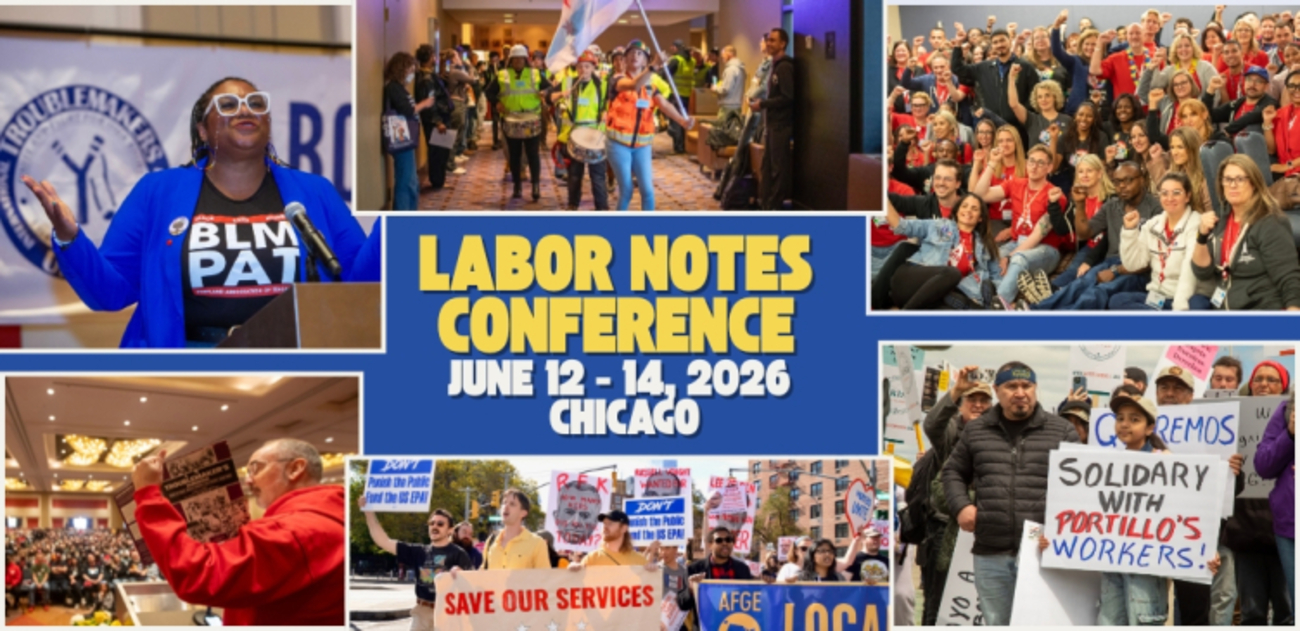
More than 4,000 labor activists, union organizers, and rank-and-file members convened in Chicago from June 12 to 14 for the 2024 Labor Notes Conference, an event focused on building collective bargaining power and strategies for workplace organizing. The gathering served as a hub for workers across various sectors to exchange tactics on contract negotiations, internal union democracy, and responding to shifting labor laws in the United States.
According to Labor Notes, the non-profit organization that hosts the biennial event, the conference is designed to move beyond traditional union administration by emphasizing the role of grassroots members. Participants attended workshops ranging from legal strategies for protecting collective bargaining rights to navigating the complexities of the National Labor Relations Act (NLRA), which governs private-sector labor relations under the oversight of the National Labor Relations Board (NLRB).
Organizing in a Changing Regulatory Landscape
The 2024 conference took place amid heightened national interest in labor organizing, characterized by increased activity in both the private and public sectors. Data from the U.S. Bureau of Labor Statistics indicates that while union membership rates fluctuate, there has been a measurable uptick in petitions for union representation filed with the NLRB over the last two years. Labor activists at the Chicago event focused on how to maintain this momentum despite legal challenges to existing labor frameworks.
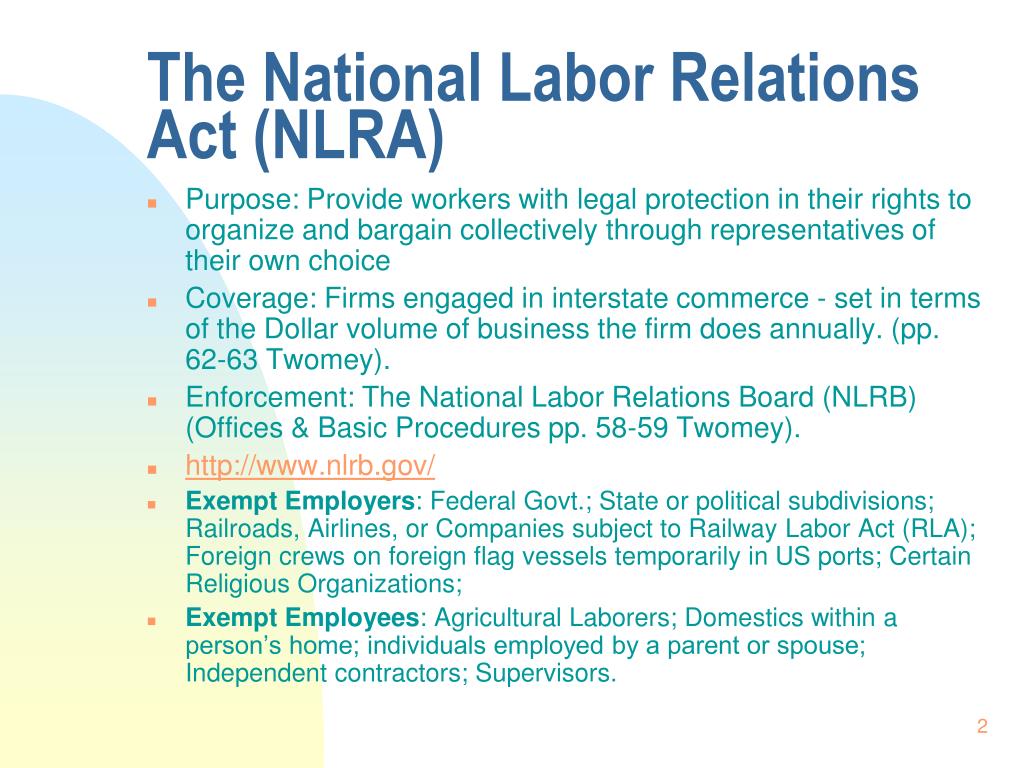

A primary theme for attendees was the practical application of the National Labor Relations Act, which provides the legal foundation for employees to form unions and engage in collective bargaining. Speakers and workshop leaders emphasized that understanding these statutory rights is essential for workers attempting to organize in industries that have historically seen low union density, such as technology, retail, and service sectors.
The discussion also touched upon the impact of recent NLRB rulings that have altered the landscape for employers and organizers. For example, the board’s recent interpretations regarding “captive audience” meetings—mandatory employer-led meetings intended to discourage unionization—have become a focal point for labor advocates seeking to counter employer influence during organizing drives.
Strategies for Grassroots Union Power
The core of the Labor Notes approach is the concept of “movement unionism,” which encourages union members to take an active role in democratic decision-making within their organizations. This involves training rank-and-file workers to lead their own contract campaigns rather than relying solely on union leadership or professional staff. Organizers at the conference highlighted several key tactics for building this internal power:
- Mapping the Workplace: Creating detailed charts of workplace demographics and social connections to identify potential leaders and areas of low engagement.
- Contract Campaigning: Moving from traditional bargaining to active mobilization, where the threat of collective action is used to exert leverage during negotiations.
- Legal Literacy: Training members to recognize unfair labor practices and document management activities that may violate the protections afforded by federal labor law.
These strategies are often contrasted with more conservative models of trade unionism that emphasize legalistic, top-down approaches. By fostering a culture of direct participation, activists argue that unions become more resilient to employer opposition and more effective at securing better wages, benefits, and safety conditions for their members.
Addressing Future Labor Challenges
Looking ahead, the labor movement in the U.S. faces significant headwinds, including ongoing litigation that threatens to restrict the powers of federal agencies like the NLRB. Legal experts at the conference discussed the potential implications of current cases pending before federal courts, which could impact the ability of workers to organize and the authority of the board to enforce labor standards. According to the NLRB General Counsel’s office, the enforcement of existing labor protections remains a priority, even as the legal environment becomes more complex.
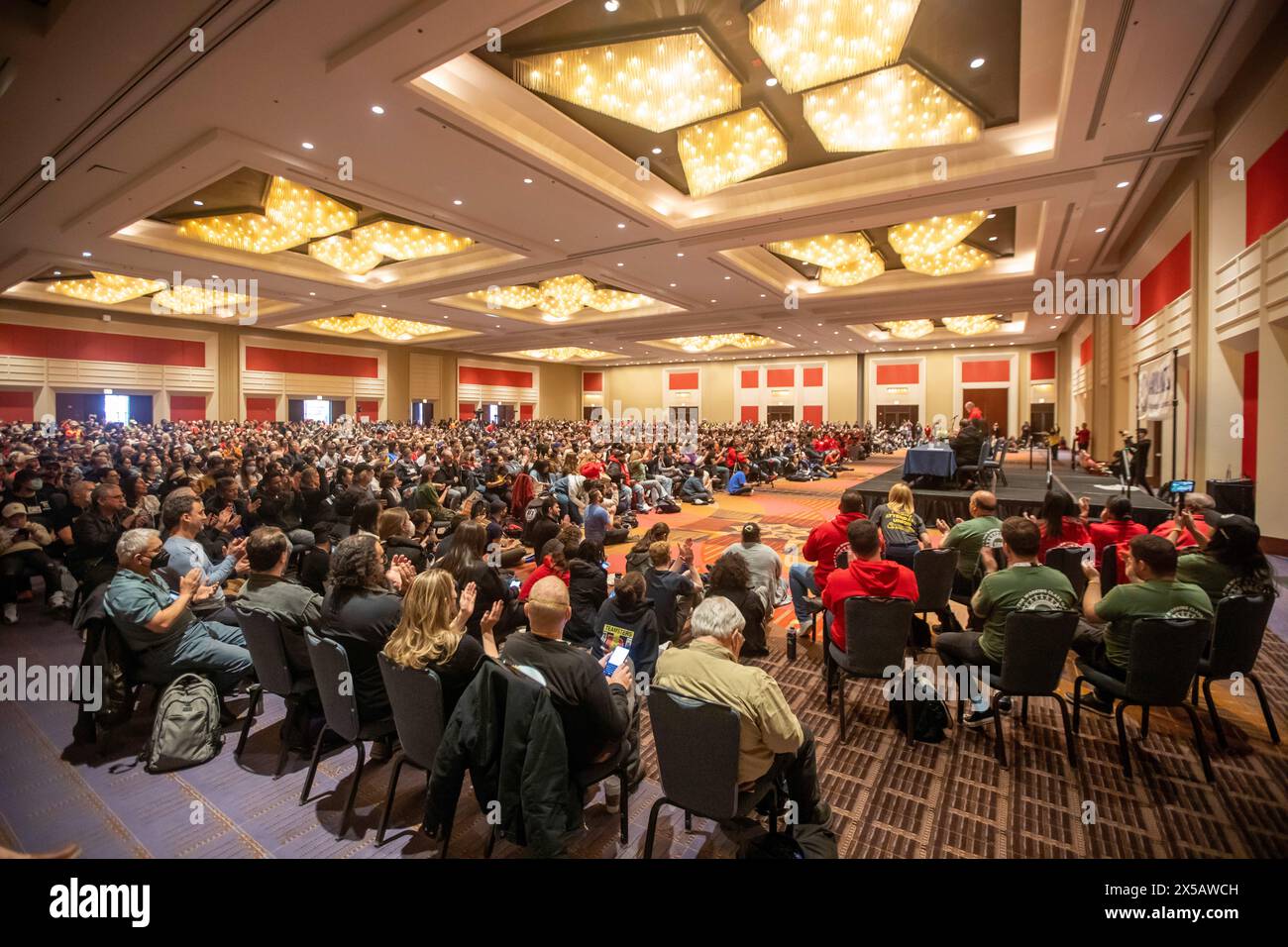
The 2024 conference provided a space for workers to prepare for these upcoming battles by coordinating efforts across different unions and geographic regions. Rather than focusing on a single industry, the event facilitated connections between sectors as diverse as healthcare, logistics, and higher education. This cross-pollination of tactics is intended to create a more unified front in the face of broader economic pressures and legislative uncertainty.
The next major milestone for many of the participants involves the upcoming round of contract negotiations for several large national unions, where the strategies discussed in Chicago will be put to the test. As these workers return to their respective workplaces, the focus will shift from the theoretical discussions of the conference to the practical implementation of their organizing plans. For those interested in tracking these developments, official updates on labor regulations and pending NLRB decisions are available through the official website of the National Labor Relations Board.
What are your thoughts on the current state of union organizing in your region? Share your perspective in the comments below.