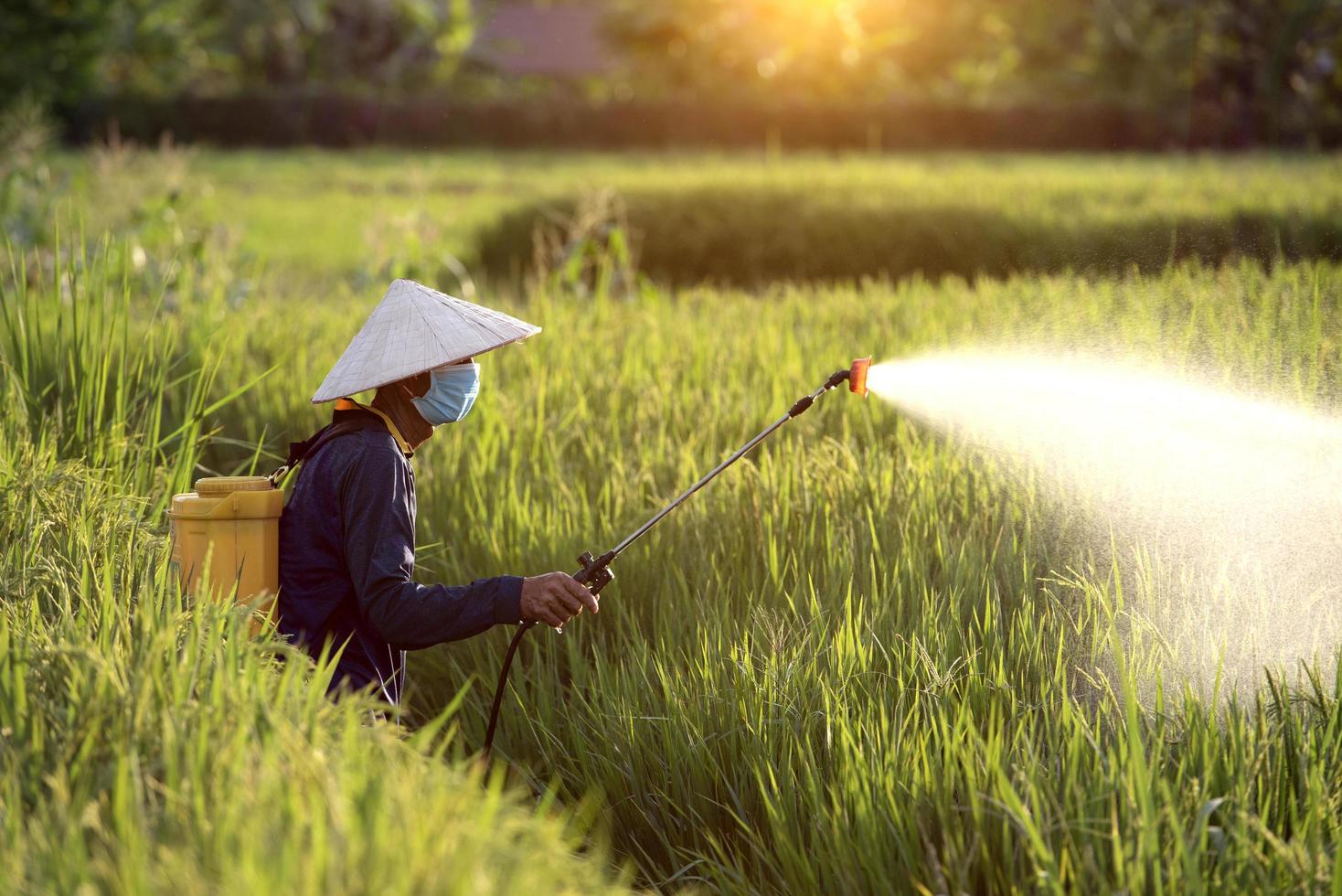
As we navigate the complexities of global food security, the intersection of modern agricultural practices and public health remains a focal point for researchers and policy experts alike. Rice, a staple for more than half of the world’s population, is currently at the center of a critical debate regarding the use of chemical inputs. From the expansive paddies of South Asia to the specialized production cycles in Europe, the reliance on fungicides and synthetic treatments to ensure yield stability is a topic that demands nuanced understanding.
For health-conscious consumers and industry professionals, the term “riso chimico”—often used to describe rice cultivation heavily reliant on synthetic chemical interventions—raises valid questions about residue levels, soil health, and long-term environmental sustainability. Understanding these practices requires looking beyond the headlines and examining the regulatory frameworks that govern how these crops are brought from the field to our tables.
The Global Landscape of Rice Cultivation and Chemical Use
Agricultural productivity in major rice-producing nations often hinges on the strategic application of inputs to combat pests and fungal diseases. In India, which stands as one of the world’s largest producers and exporters of rice, the management of crop diseases is a significant logistical and economic challenge. While various reports estimate that a majority of farmers employ chemical treatments, including fungicides, to safeguard their harvests, the exact prevalence of these practices varies significantly by region and crop variety, according to data from the Food and Agriculture Organization of the United Nations (FAO).

The application of these agents is not merely a matter of farming preference. it is often a response to the intense pressure from pathogens such as rice blast (Magnaporthe oryzae). Managing these threats is essential for food security, yet it necessitates a rigorous adherence to safety standards. Regulatory bodies, such as the Food Safety and Standards Authority of India (FSSAI), set specific Maximum Residue Limits (MRLs) for pesticides and fungicides to ensure that the final product meets safety benchmarks before it enters the domestic or international supply chain.
Understanding Residues and Safety Standards
In my work as a physician and medical journalist, I am often asked about the health risks associated with chemical residues in food. It is vital to clarify that the presence of a chemical treatment during the growing phase does not automatically equate to a health hazard for the consumer. Modern agricultural science focuses on the “pre-harvest interval”—the required waiting period between the last application of a chemical and the harvesting of the crop—to ensure that residues degrade to levels deemed safe by health authorities.

The European Food Safety Authority (EFSA), for instance, maintains a comprehensive database on pesticide residues in food, which serves as a benchmark for safety. For consumers, the takeaway is that regulatory oversight is designed to mitigate risk. However, the push toward Integrated Pest Management (IPM) represents a growing global shift. IPM seeks to combine biological controls, crop rotation, and resistant varieties to reduce the dependency on synthetic chemistry, addressing both environmental concerns and the consumer demand for more “natural” production methods.
Key Factors in Modern Rice Safety
- Regulatory Compliance: National and international agencies establish strict MRLs that producers must respect.
- Monitoring Programs: Regular testing of market-ready rice helps identify potential violations of safety protocols.
- Agricultural Innovation: The development of disease-resistant rice cultivars is reducing the need for intensive fungicide applications.
- Transparency: Increased consumer demand for labeling transparency is driving better communication between producers and the public.
The Shift Toward Sustainable Agricultural Practices
The conversation around “riso chimico” is increasingly being countered by the rise of sustainable and organic farming initiatives. In Europe, and particularly in Italy, there is a strong emphasis on balancing traditional cultivation techniques with modern environmental standards. The focus is shifting toward biodiversity, where the health of the soil is treated as the primary asset. By improving soil microbiome health, farmers can often foster stronger plants that are naturally more resilient to fungal attacks, thereby lessening the need for external chemical interventions.
For readers interested in the specifics of production, official certifications—such as those for organic farming—require strict adherence to non-synthetic methods. The European Commission’s organic farming regulations provide a clear framework for what constitutes a “chemical-free” or organic product, offering a reliable pathway for those seeking to avoid synthetic inputs in their diet.
Looking Ahead: What Consumers Should Know
As we move forward, the evolution of agricultural technology will likely focus on precision farming. This involves using sensors and AI to apply treatments only where and when they are strictly necessary, rather than blanket-spraying entire fields. This “precision” approach is the next frontier in minimizing the chemical footprint of rice production while maintaining the yields necessary to feed a growing global population.
For those concerned about their personal health, the best practice remains a balanced diet and an awareness of the sources of your food. Purchasing products from transparent supply chains that adhere to recognized safety certifications is the most effective way to ensure the quality of your staples. As international trade policies continue to develop, we can expect even more robust data sharing and harmonized safety standards across borders.
The next major update regarding global pesticide residue standards is expected to be discussed at the upcoming Codex Alimentarius Commission session, where international food safety experts convene to refine the guidelines that protect consumers worldwide. I encourage our readers to stay informed by following these official updates from international health organizations. What are your thoughts on the balance between agricultural yield and chemical safety? Share your perspectives in the comments below, and let’s continue this important conversation.
Related reading