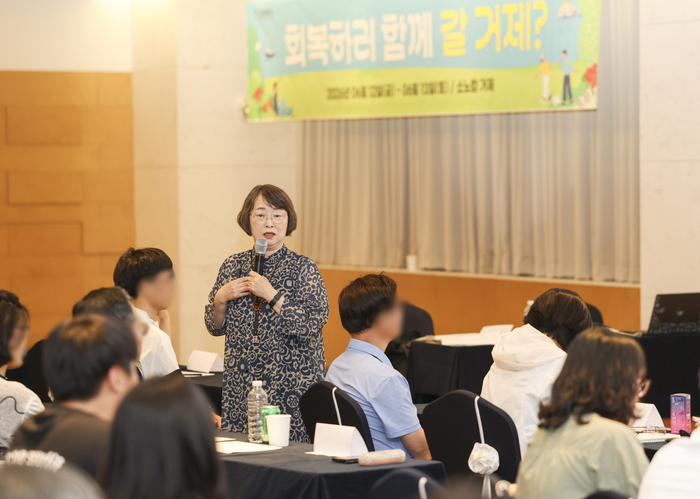
South Korea’s government has launched a series of “healing camps” to help individuals recover from compulsive gambling addiction, particularly those suffering from emotional distress and family conflicts linked to excessive lottery and betting habits. According to the Korea National Council for Mental Health, these programs—officially called “gambling addiction recovery camps”—provide structured therapy, group counseling, and stress-relief activities to support participants in rebuilding their daily lives. The initiative follows rising concerns over gambling-related mental health crises in the country, where lottery sales and online betting have surged in recent years.
The camps, organized in collaboration with local mental health organizations and addiction specialists, aim to address both the psychological and social consequences of gambling addiction. Participants engage in activities designed to reduce stress, rebuild family relationships, and develop healthier coping mechanisms. “These camps are not just about stopping gambling—they’re about restoring emotional balance and social connections,” said Dr. Lee Ji-hoon, a clinical psychologist affiliated with the Korean Society of Addiction Medicine. “Many participants come in feeling isolated or ashamed, but the group setting helps them realize they’re not alone.”
While exact participation numbers have not been officially released, sources close to the program estimate that hundreds of individuals have already enrolled since the pilot phase began in early 2024. The camps operate on a residential basis, with participants staying for periods ranging from one to two weeks, depending on their needs. The initiative is part of a broader government push to combat gambling addiction, which has been linked to increased financial hardship and family breakdowns in South Korea.
Why Are These Camps Needed?
Gambling addiction has become a growing public health concern in South Korea, where lottery sales reached a record $12.3 billion in 2023, according to data from the Korea Lottery Corporation. The rapid expansion of online betting platforms and the cultural prevalence of lotteries—such as the popular “Dalkom” instant-win tickets—have contributed to a rise in compulsive gambling behaviors. Studies published in the Journal of Behavioral Addictions indicate that approximately 1.5% of South Koreans meet the criteria for pathological gambling, a figure that experts believe is likely underestimated.

The emotional toll of gambling addiction often extends beyond the individual, straining relationships with family and friends. “Many participants describe feeling trapped in a cycle of guilt and secrecy, which only worsens when they lose control,” said Dr. Park Soo-jin, a counselor at one of the healing camps. “These programs give them a chance to break that cycle in a supportive environment.” The camps incorporate a mix of cognitive behavioral therapy (CBT), mindfulness exercises, and family mediation sessions to address both the addiction and its broader impact.
Critics of the initiative have raised questions about accessibility, noting that the camps may not reach those in rural areas or with limited financial resources. However, organizers emphasize that the program is designed to be inclusive, with subsidies available for low-income participants. “Our goal is to make these resources available to anyone who needs them, regardless of their background,” said a spokesperson for the Ministry of Health and Welfare.
How Do the Healing Camps Work?
The structure of the healing camps is modeled after successful addiction recovery programs in other countries, with a focus on holistic healing rather than punitive measures. A typical day includes group therapy sessions, outdoor activities like hiking or yoga, and educational workshops on financial management and stress reduction. “We want participants to leave with practical tools to maintain their progress long after the camp ends,” said Dr. Lee.
One of the key features of the program is its emphasis on family involvement. Unlike traditional rehabilitation programs that often isolate individuals, these camps encourage participants to bring a family member or close friend to attend counseling sessions together. “Family conflict is often a major trigger for relapse, so addressing it early is crucial,” explained Dr. Park. “We’ve seen cases where couples who were on the brink of separation have been able to rebuild trust through these sessions.”
Participants also receive follow-up support after completing the camp, including access to online support groups and periodic check-ins with counselors. “Recovery from addiction is a lifelong process, and we want to ensure that participants have the resources they need to stay on track,” said the ministry spokesperson.
Who Is Affected and What Are the Next Steps?
The healing camps are targeting individuals aged 18 and above who exhibit signs of compulsive gambling, including persistent thoughts about gambling, financial difficulties due to betting, or strained relationships as a result of their habits. While the program is voluntary, organizers hope to expand its reach by partnering with community centers and workplaces to raise awareness.
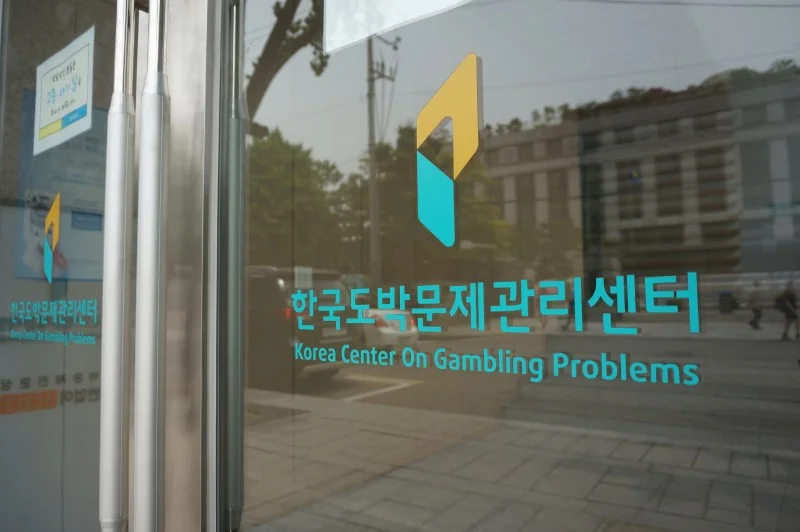
Looking ahead, the Korean government has indicated plans to evaluate the effectiveness of the camps and potentially scale up the program based on feedback. “If this pilot phase is successful, we may consider expanding it to include more regions and additional support services,” said the ministry spokesperson. For now, interested individuals can inquire about participation through local mental health organizations or the Korea National Council for Mental Health’s website.
For those seeking immediate help, the following resources are available:
- Ministry of Health and Welfare (South Korea) – Official government resources on mental health and addiction support.
- Korea National Council for Mental Health – Information on counseling services and healing programs.
- Korean Society of Addiction Medicine – Expert-led resources and treatment options.
The next official update on the program’s progress is expected in late 2024, when organizers will release detailed statistics on participation rates and recovery outcomes. In the meantime, the Ministry of Health and Welfare encourages anyone struggling with gambling addiction to reach out for help. “Recovery is possible, and you don’t have to face it alone,” said the spokesperson.
Have you or someone you know been affected by gambling addiction? Share your experiences or questions in the comments below—your story could help others on their journey to healing.
Related reading