
Harnessing Aspirin’s Power: A Novel “Switch” for Safer, More Effective Cancer Immunotherapy
For over a century, immunotherapy – leveraging the body’s own immune system to fight disease - has held promise in the battle against cancer. Now,researchers at Texas A&M University have unveiled a groundbreaking technology,Salicylic Acid-Mediated Binary Association (SAMBA),that significantly enhances the safety and efficacy of this approach,particularly in treating blood cancers like acute lymphoblastic leukemia and B cell lymphoma,which collectively represent roughly 10% of all new cancer diagnoses annually.
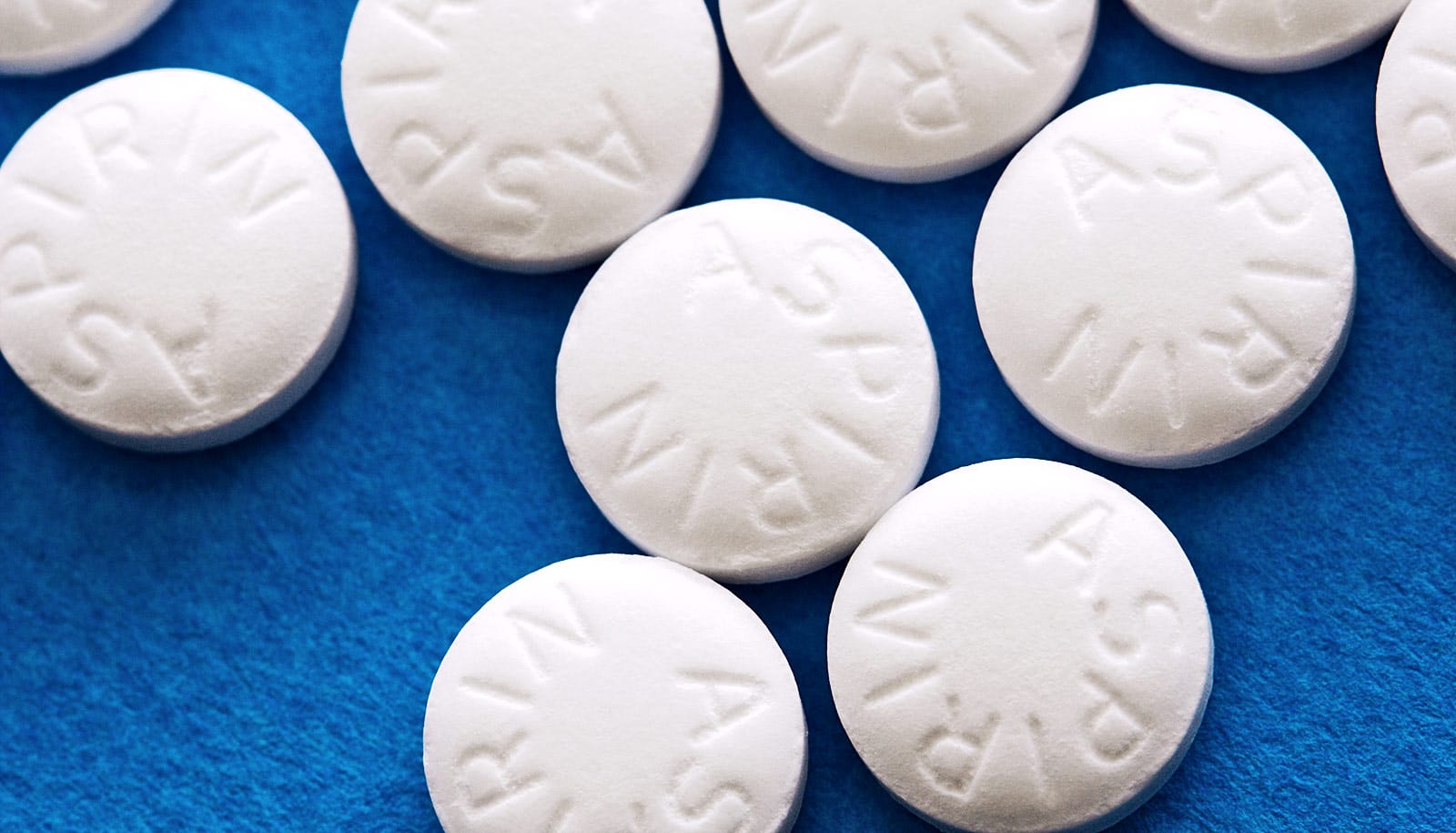
This innovation isn’t reliant on complex, expensive therapies. Rather, SAMBA cleverly repurposes a readily available and cost-effective drug: salicylic acid, commonly known as aspirin. This accessibility positions SAMBA as a possibly transformative option to current, frequently enough financially burdensome, cancer immunotherapies.
The Challenge with Current Immunotherapy: A Double-Edged Sword
While immunotherapy, specifically CAR T-cell therapy, has shown remarkable success in certain cancers, it’s not without its risks. CAR T-cell therapy involves genetically engineering a patient’s own T cells to recognize and destroy cancer cells. Though, this powerful immune response can sometimes become too strong, leading to a dangerous overreaction called cytokine release syndrome (CRS). CRS occurs when activated T cells release an overwhelming surge of inflammatory molecules, potentially causing life-threatening toxicity. Managing and mitigating CRS is a critical challenge in CAR T-cell therapy.
SAMBA: A Precise “On/Off” Switch for Immune Cells
SAMBA addresses this challenge head-on by introducing a level of control previously unavailable in CAR T-cell therapy. The technology works by engineering CAR T cells with a built-in “switch” activated by the presence of salicylic acid.
“Much like playing with a Transformer toy, where you can quickly flip between a car and a robot, we’re trying to recreate that quick switch so we can better control the immune cells and make them behave the way we want them to behave,” explains Dr. Zhou, lead researcher on the project.
Here’s how it works:
- Patient’s T Cells Harvested: T cells are collected from the patient.
- Genetic Engineering with SAMBA: these T cells are genetically modified to incorporate the SAMBA system. This essentially “teaches” them new instructions.
- Infusion & Controlled Activation: The engineered CAR T cells are infused back into the patient.Initially, they remain inactive.
- Salicylic Acid as the Key: Administering salicylic acid activates the SAMBA system, “switching on” the cancer-killing activity of the CAR T cells.
- Precise control: Stopping salicylic acid administration instantly “switches off” the T cells, pausing their attack.
This precise control is a game-changer. Laboratory studies have demonstrated that SAMBA-equipped CAR T cells selectively destroy cancer cells only when salicylic acid is present. Crucially, the research showed that the combination of SAMBA-engineered CAR T cells and salicylic acid resulted in greater tumor shrinkage and prolonged survival compared to other approaches.
Reduced Toxicity & Improved outcomes
The most significant benefit of SAMBA lies in its ability to dramatically reduce the risk of cytokine release syndrome.By creating and activating these “circuits” – analogous to light switches – researchers can fine-tune the immune response, preventing it from spiraling out of control.
“If cytokine storm does happen, we can withdraw the drug and close the circuit, as it is indeed conditionally active,” Dr. Zhou emphasizes. This ability to quickly and effectively dampen the immune response offers a critical safety net for patients.
Beyond Blood Cancers: A Versatile Platform for Future Therapies
The researchers are optimistic that SAMBA’s potential extends far beyond blood cancers. Its modular design makes it a versatile framework for improving the control and safety of both cell-based and antibody-based therapies.
“Looking ahead, SAMBA’s modular architecture provides a flexible framework for improving control and safety in both cell- and antibody-based therapies, with the potential to extend its use beyond blood cancers to other disease settings,” states Dr. Huang.
The team has already filed a US patent application for commercialization and is actively making the reagents available to academic researchers, fostering collaboration and accelerating the development of this promising technology. This commitment to open science underscores the researchers’ dedication to translating their findings into tangible benefits for patients.
A New Era in Cancer Immunotherapy
While SAMBA isn’t a guaranteed cure, the research represents




