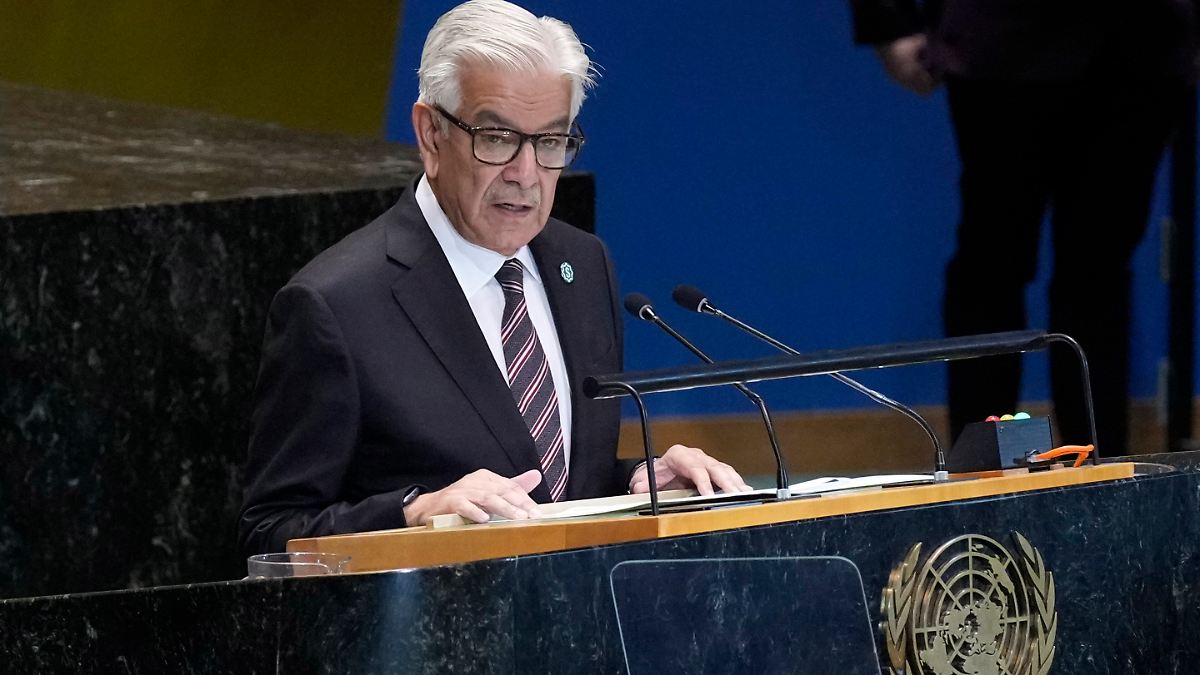
In a significant shift for regional geopolitics, Pakistan has emerged as a pivotal mediator, successfully navigating the fraught tensions between the United States and Iran to secure a ceasefire. This diplomatic breakthrough, achieved through intensive coordination in Islamabad, marks a rare moment of alignment between two of the world’s most adversarial powers.
The achievement is being hailed as a major strategic victory for Pakistani diplomacy. By positioning itself as a neutral ground for dialogue, Islamabad has managed to stabilize a volatile situation that threatened to escalate into a broader conflict, providing a necessary reprieve in a region already strained by systemic instability.
This Pakistan US Iran ceasefire comes at a critical juncture, as the international community grappled with the potential for a wider confrontation involving the U.S., Israel, and Iran. The success of these negotiations suggests a renewed capacity for middle-power diplomacy to bridge gaps that direct bilateral talks have failed to close for decades.
A Pivotal Diplomatic Breakthrough in Islamabad
The mediation efforts led by Pakistan have resulted in what has been described by The Guardian as the “biggest diplomatic win in years” for the country. By facilitating communication between Washington and Tehran, Pakistan has effectively moved the needle from active hostility toward a fragile but essential cessation of hostilities.
According to reporting from Al Jazeera, the Pakistani government’s ability to bring both the U.S. And Iran to the table was the deciding factor in reaching the ceasefire. This role as a diplomatic bridge is particularly noteworthy given the complex security environment and the competing interests of the global superpowers involved.
The ceasefire is not merely a local victory but a critical decompression valve for the wider Middle East. The context of these negotiations was further complicated by the ongoing tensions involving a US-Israel war effort against Iran, making the de-escalation in Islamabad a vital step in preventing a full-scale regional war.
Pakistan’s Role as a Regional Mediator
For Pakistan, the ability to facilitate a Pakistan US Iran ceasefire serves as a powerful demonstration of its geopolitical relevance. By leveraging its unique relationships with both Tehran and Washington, Islamabad has shifted its image from a state primarily focused on internal security to a proactive player in international conflict resolution.
The mediation process required a delicate balancing act. Pakistan had to maintain the trust of the United States—a key security partner—although simultaneously engaging with Iran, with whom it shares a porous and often tense border. The successful outcome suggests that Islamabad has found a formula for “neutrality with purpose,” allowing it to act as a conduit for messages that neither side was willing to send directly.
This diplomatic maneuver provides Pakistan with significant leverage on the world stage. It proves that regional actors can provide solutions to global crises, reducing the reliance on traditional Western-led mediation frameworks that have often reached a stalemate in the Persian Gulf and surrounding areas.
The Road Ahead: Bridging Persistent Divides
Despite the success of the ceasefire, the fundamental differences between the United States and Iran remain deep and unresolved. The immediate cessation of hostilities is a tactical victory, but the strategic divide persists.

As Reuters has highlighted, the central question remains whether the U.S. And Iran can actually bridge their differences in ongoing talks. A ceasefire provides the time and space for diplomacy, but it does not automatically resolve disputes over nuclear proliferation, regional proxies, or economic sanctions.
The sustainability of this peace depends on whether the parties can move beyond a simple “stop-fire” agreement toward a comprehensive diplomatic framework. The international community will be watching closely to notice if the momentum generated in Islamabad can be translated into a long-term settlement.
Key Takeaways of the Islamabad Mediation
- Diplomatic Success: Pakistan successfully mediated a ceasefire between the U.S. And Iran, marking a major diplomatic achievement for Islamabad.
- Regional Stability: The agreement serves as a critical step in preventing the escalation of a broader conflict involving the U.S., Israel, and Iran.
- Middle-Power Influence: The event underscores Pakistan’s growing role as a strategic bridge between adversarial global powers.
- Fragile Peace: While the ceasefire is in place, significant ideological and political differences between Washington and Tehran remain.
The next phase of this diplomatic process will involve determining if the current ceasefire can be expanded into a permanent agreement. While no specific date for the next round of formal talks has been publicly confirmed, the groundwork laid in Islamabad provides a blueprint for future engagement.
We want to hear from you. Do you believe middle-power mediation is the most effective way to resolve superpower conflicts? Share your thoughts in the comments below or share this article on social media to join the conversation.
Worth a look