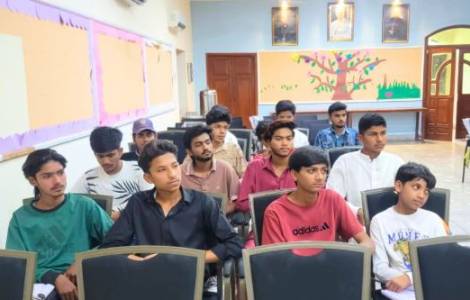
Pakistan is currently navigating a pivotal moment in its national development, characterized by an intensifying focus on addressing the country’s education crisis. As the nation seeks to leverage its demographic dividend, policymakers and international stakeholders are increasingly prioritizing the expansion of technical and vocational training to better align the aspirations of its youth with the demands of a modern global economy. This shift represents a strategic attempt to bridge the gap between traditional academic pathways and the practical skills necessary for sustainable long-term growth.
The urgency of this endeavor is underscored by the country’s demographic landscape. According to the World Bank, Pakistan possesses one of the world’s largest youth populations, a resource that, if effectively educated and trained, could serve as a powerful engine for economic stability. However, systemic challenges—including access to quality schooling and the relevance of curricula to current market needs—remain significant hurdles that the government and private sector are now working to address through collaborative initiatives.
Addressing the Vocational Skills Gap
At the heart of the current reform discourse is the necessity of vocational training. While formal education remains a cornerstone of development, there is a recognized need to diversify educational outcomes. The current push aims to move beyond traditional degree-based models, emphasizing skill acquisition in sectors such as information technology, agriculture, and manufacturing. This approach is intended to reduce unemployment rates among graduates by ensuring that students leave the education system with tangible, marketable abilities.

The United Nations Educational, Scientific and Cultural Organization (UNESCO) has consistently highlighted that the quality of education in Pakistan is deeply linked to the availability of technical training centers. By investing in these institutions, the state hopes to create a more resilient workforce capable of adapting to the rapid technological changes seen globally. These efforts are not merely about providing jobs; they are about fostering an environment where innovation and entrepreneurship can flourish, thereby contributing to the nation’s broader economic goals.
Collaborative Frameworks for Educational Reform
Meaningful progress in the education sector requires a multifaceted approach involving both public institutions and international partnerships. Various organizations, including the Asian Development Bank, have provided support for projects aimed at upgrading infrastructure and improving teacher training programs. These partnerships are essential for implementing standardized curricula that meet international benchmarks while remaining culturally and contextually relevant to the Pakistani experience.
The commitment to “education and vocational training” is frequently cited by domestic officials as a priority in policy planning. By integrating vocational components into secondary and tertiary education, the government aims to democratize access to economic opportunity. This policy shift is designed to be inclusive, targeting not only urban centers but also rural populations where the disparity in educational resources is often more pronounced. The goal is to create a more equitable system where a student’s geographic location does not dictate their future career prospects.
Key Focus Areas for Youth Development
- Digital Literacy: Expanding access to computer training and coding programs to prepare youth for the digital economy.
- Agricultural Modernization: Providing vocational training in advanced farming techniques to improve productivity in the rural sector.
- Technical Apprenticeships: Building stronger ties between technical colleges and private industry to ensure students gain hands-on experience before entering the workforce.
- Teacher Empowerment: Investing in professional development for educators to ensure they are equipped to teach modern, skills-based curricula.
Looking Ahead: Challenges and Opportunities
While the commitment to reform is evident, the road to achieving a comprehensive educational transformation is complex. Sustaining these initiatives requires long-term fiscal commitment and political stability. As the nation continues to manage its economic recovery, officials emphasize that education must remain a non-negotiable budget priority. The success of these programs will ultimately be measured by their ability to integrate millions of young people into productive, meaningful employment over the coming decade.

For those interested in tracking these developments, the Ministry of Federal Education and Professional Training provides official updates and periodic reports on the status of national educational policies. These documents offer the most reliable insights into the progress of current legislative mandates and the allocation of resources dedicated to youth training.
As we continue to monitor these developments, we invite our readers to share their perspectives on the role of vocational training in national development. The dialogue surrounding Pakistan’s educational future is one that resonates far beyond its borders, touching on universal themes of opportunity, equity, and the power of human capital. We welcome your thoughts in the comments section below as we look toward the next update on these critical national initiatives.
Keep reading