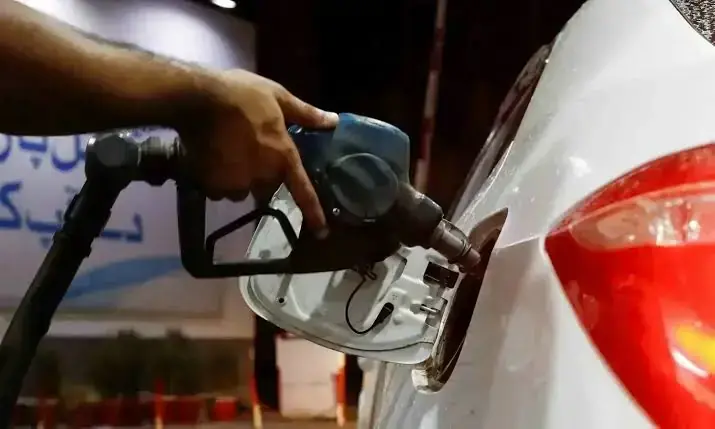
The federal government has adjusted petroleum product rates, raising the price of petrol by Rs0.45 per litre and high-speed diesel by Rs1.16 per litre, according to an official notification issued by the Petroleum Division. Following the revision, petrol retails at Rs325.43 per litre, while high-speed diesel costs Rs383.95 per litre. The updated pricing structure remains applicable for Friday, August 14, as authorities continue to manage ongoing energy market volatility tied to geopolitical tensions in the Middle East.
This latest adjustment follows a turbulent period for domestic fuel markets. The price of high-speed diesel previously reached a peak of Rs520.35 per litre on April 3 after beginning an upward trajectory from Rs281 per litre following the outbreak of the US-Iran conflict on February 28. Similarly, petrol prices peaked at Rs458.41 per litre on April 3, up from Rs266 per litre recorded in the first week of March, according to government data.
To navigate continuous shifts in international market trends, the federal cabinet and the prime minister previously authorized the Oil and Gas Regulatory Authority (Ogra) to fix fuel prices on a daily basis. Petroleum Minister Ali Pervaiz Malik announced the daily pricing mechanism to replace earlier weekly reviews, which had been in place since early March alongside fuel conservation measures aimed at mitigating potential supply chain disruptions.
Taxation Structure and Consumer Impact
Despite minor per-litre adjustments, the government maintains a substantial tax and duty levy on petroleum products. Authorities currently charge Rs114 per litre in taxes and duties on petrol, while the corresponding levy on high-speed diesel stands at Rs100 per litre. These duties make up a significant portion of domestic revenue, with combined monthly sales for petrol and high-speed diesel typically hovering between 700,000 and 800,000 tonnes, compared to a much smaller monthly demand of roughly 10,000 tonnes for kerosene.
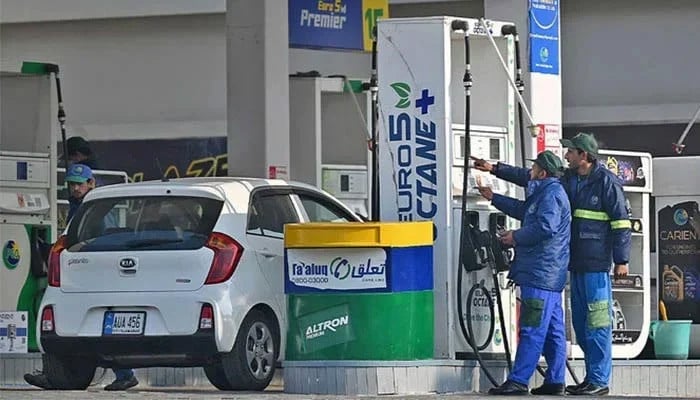
The pricing changes directly affect household budgets and industrial operations across the country. Petrol is primarily utilized in private transport, small vehicles, rickshaws, and two-wheelers, meaning price fluctuations immediately impact middle and lower-middle-class commuters. Conversely, high-speed diesel powers the heavy transport sector, freight trucks, buses, trains, agricultural machinery, and industrial power generators. Because diesel underpins goods transport and farming equipment, its price volatility carries broader inflationary effects on essential commodities, including food and vegetables.
Industry Opposition to the Daily Pricing Mechanism
The shift toward a daily pricing framework has drawn sharp criticism from commercial stakeholders. The All Pakistan Dealers Association formally rejected the daily review decision, warning that it creates instability for retail station operators and consumers alike. Association representatives stated that they would consider organizing a protest plan in response to the administrative change.

Alongside pricing modifications, the federal administration implemented targeted relief measures in April to provide subsidized fuel options for vulnerable segments of the population. However, fuel expenses remain sensitive to international crude benchmarks and regional security developments involving Iran and the United States.
Related reading