
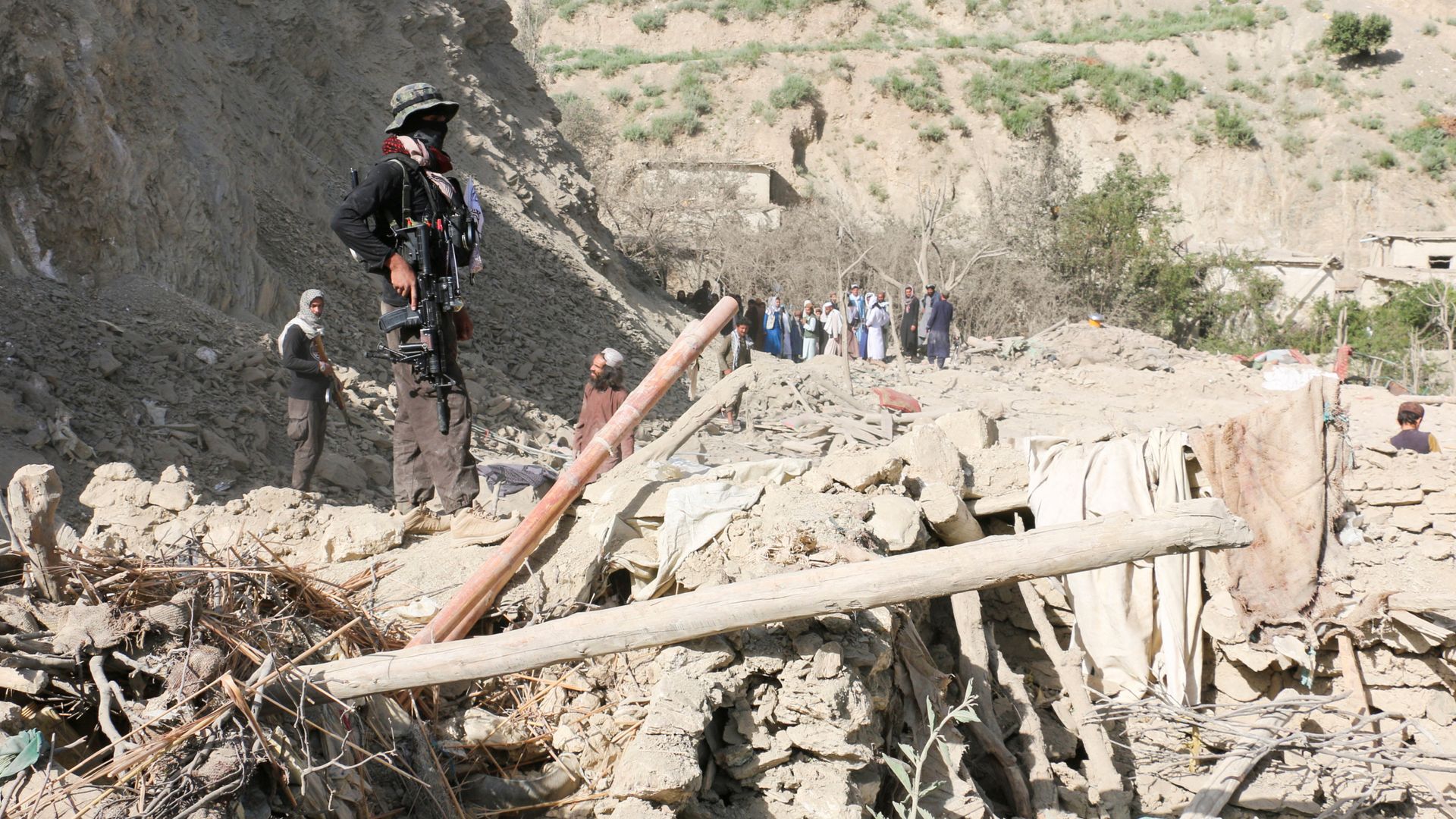
At least 13 people were killed in eastern Afghanistan following a series of airstrikes conducted by the Pakistani military in March 2024, according to reports from regional officials and local witnesses. The strikes, which targeted border regions in Khost and Paktika provinces, marked a significant escalation in the ongoing security tensions between Islamabad and the Taliban-led administration in Kabul, as reported by Reuters.
The Pakistani government stated that the military operations were directed at “terrorist outfits” allegedly using Afghan soil to launch attacks within Pakistan. The Taliban administration in Afghanistan condemned the strikes as a violation of its territorial sovereignty, stating that the casualties included women and children. This incident highlights the growing volatility along the Durand Line, a porous 2,670-kilometer border that has been a frequent site of military skirmishes and diplomatic friction since the Taliban returned to power in 2021, as noted by the BBC.
Origins of the Border Conflict
The latest military engagement follows a sustained period of deteriorating relations between the two neighbors. Pakistan has repeatedly accused the Afghan Taliban of failing to curb the activities of the Tehreek-e-Taliban Pakistan (TTP), a militant group that operates independently of the Afghan Taliban but shares ideological roots and seeks to overthrow the Pakistani state. According to the Associated Press, the airstrikes were launched shortly after a militant attack on a Pakistani military post in North Waziristan resulted in the deaths of seven Pakistani soldiers, including two officers.
The Pakistani Ministry of Foreign Affairs issued a statement following the strikes, emphasizing that the country has “consistently asked the Afghan authorities to ensure meaningful action” against groups that utilize Afghan territory to conduct cross-border terrorism. Conversely, the Afghan Taliban spokesperson Zabihullah Mujahid characterized the strikes as “reckless” and warned of “bad consequences” for the regional security landscape, asserting that the civilian casualties were a result of indiscriminate targeting in residential areas.
The Human and Geopolitical Impact
The impact of these strikes extends beyond the immediate loss of life, affecting the already fragile humanitarian situation in border provinces. Khost and Paktika are remote, mountainous regions where local populations often rely on cross-border movement for trade and family connections. The closure of major border crossings—such as the Torkham and Chaman gates—following such escalations frequently disrupts the supply chains of essential goods, further squeezing an Afghan economy that remains under international sanctions, as documented by Human Rights Watch in their broader reporting on regional stability.

Geopolitically, the cycle of violence places the Taliban in a difficult position. While they maintain a desire to keep stable relations with Pakistan—a primary trade partner and a key link to the outside world—they face domestic pressure to project strength against perceived foreign aggression. For Pakistan, the inability to stem cross-border militancy has become a central domestic political issue, leading to a more aggressive “kinetic” policy against identified targets across the border, a shift that analysts suggest may lead to further instability.
What Happens Next at the Border
The current situation remains in a state of high alert. As of late March 2024, there have been no further large-scale airstrikes reported, though both sides have reinforced their troop presence along the border. The international community, including the United Nations, has repeatedly called for restraint and the establishment of a formal bilateral mechanism to address security concerns through diplomatic channels rather than military force, according to updates from the United Nations Assistance Mission in Afghanistan (UNAMA).
Future developments will likely hinge on whether Islamabad and Kabul can reach a security agreement that satisfies Pakistan’s demand for action against the TTP without infringing on Afghan sovereignty. For now, the border remains a flashpoint where local, national, and regional interests collide. Residents in the affected provinces are reportedly bracing for potential further flare-ups, while diplomatic observers continue to monitor for signs of de-escalation or further military posturing. Readers interested in the latest updates on regional border security are encouraged to monitor official briefings from the respective foreign ministries of Pakistan and the de facto administration in Kabul.
What are your thoughts on the recent escalation at the Pakistan-Afghanistan border? Join the conversation below and share this report to help others stay informed on this developing story.