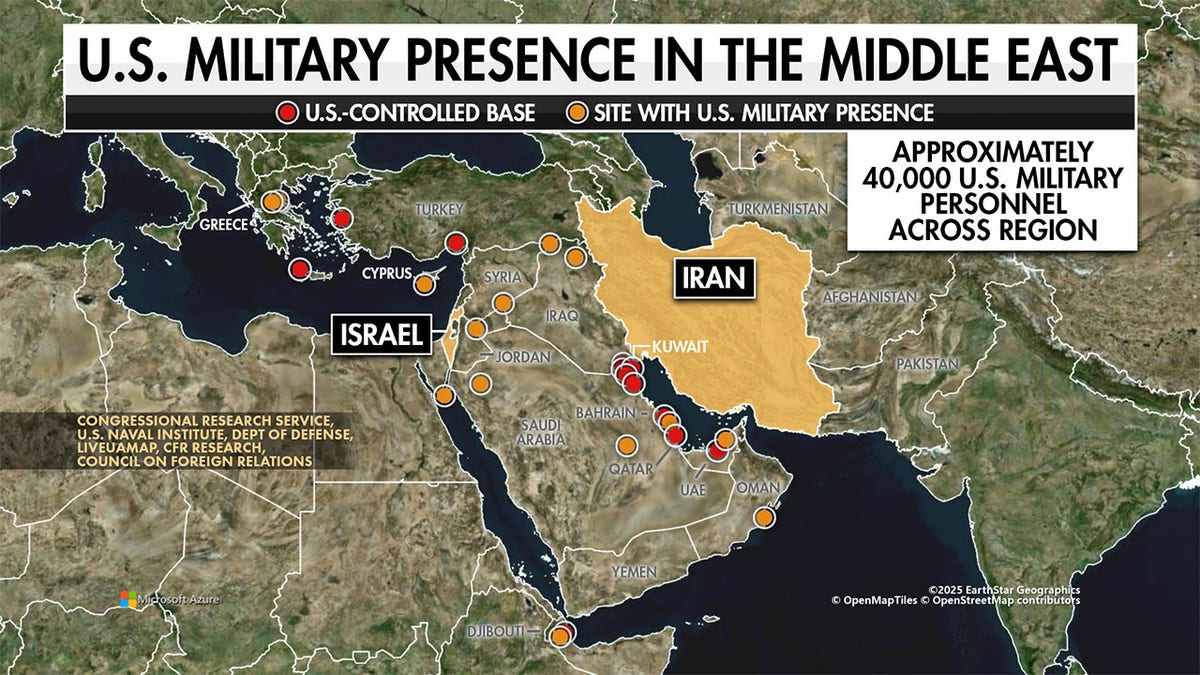
In a significant development reflecting the deepening security ties between Islamabad and Riyadh, Pakistan has deployed a substantial contingent of military personnel to Saudi Arabia. This move, which comes amid a complex and shifting regional security landscape in the Middle East, underscores the long-standing strategic defense partnership between the two nations.
As the international community monitors these movements, the focus remains on the implications for regional stability. The deployment is framed by both governments as a commitment to a joint strategic defense cooperation agreement, a framework that has historically facilitated military training, intelligence sharing and personnel exchanges between the two countries. For observers of global geopolitics, this reinforcement highlights how Pakistan continues to play a pivotal role in the security architecture of the Gulf region.
Strategic Defense Cooperation and Regional Security
The recent arrival of Pakistani military units, including specialized personnel and fighter aircraft, at the King Abdulaziz Air Base has been confirmed by the Saudi Ministry of Defense. According to official statements, the deployment is intended to bolster the joint defense cooperation agreement previously signed by the two nations. This partnership is frequently described by officials in both capitals as a relationship between “brotherly nations,” emphasizing a shared history of military collaboration that extends back several decades.

The significance of this deployment lies not only in the numbers involved—which represent a notable enhancement of Pakistan’s military footprint in the Kingdom—but also in the timing. The Middle East faces a myriad of security challenges, ranging from maritime security concerns to the need for modernized defense capabilities. By integrating Pakistani technical expertise and operational capacity, Saudi Arabia is signaling a desire to diversify its security partnerships and ensure regional readiness.
From an international relations perspective, this development illustrates the “strategic depth” Pakistan seeks to maintain in its foreign policy. For Saudi Arabia, the presence of experienced Pakistani military assets provides a reliable partner for joint exercises and capacity building. Both nations have consistently maintained that these agreements are defensive in nature and aimed at preserving regional sovereignty.
The Evolution of the Pakistan-Saudi Military Partnership
The Pakistan-Saudi defense relationship is deeply rooted in decades of institutional support. Historically, Pakistani military advisors have played a role in training Saudi forces, and the two nations have conducted numerous joint military drills. These exercises serve as a platform for testing interoperability between the Saudi Royal Armed Forces and the Pakistan Armed Forces, covering domains from air defense to counter-insurgency tactics.
The current deployment is an expansion of this existing framework. Such deployments are subject to the specific terms of the bilateral defense agreements. These legal frameworks dictate the scope of activities the foreign troops are permitted to undertake, typically focusing on training, logistics, and the protection of strategic infrastructure. By formalizing these arrangements through high-level diplomatic channels, both Riyadh and Islamabad ensure that their military cooperation remains transparent and aligned with their broader foreign policy goals.
Key Pillars of the Cooperation
- Joint Defense Frameworks: The reliance on formal bilateral agreements ensures that all military deployments are conducted under a recognized legal structure.
- Capacity Building: A primary objective of the current deployment is the enhancement of training protocols for Saudi personnel, utilizing the experience of the Pakistan Armed Forces.
- Regional Stability: Both nations maintain that their collaboration is a stabilizing force, aimed at deterring external threats and ensuring the security of vital regional interests.
What Happens Next: Monitoring the Deployment
As the newly arrived units integrate into their designated positions, international observers will be watching for signals regarding the long-term duration of this deployment. Typically, such military movements are evaluated based on their impact on regional power dynamics and their effectiveness in achieving stated security goals. The Saudi Ministry of Defense is expected to provide periodic updates on the progress of these joint initiatives as the mission objectives are met.
For those interested in the official trajectory of this partnership, updates are released through the Saudi Ministry of Defense’s official communication channels. Future developments, including the scope of upcoming joint exercises and the potential for further personnel rotations, will likely be disclosed in accordance with the security protocols of both nations. As we continue to cover this story, we encourage our readers to share their insights and engage in the discussion below regarding the evolving nature of Middle Eastern security alliances.
Maria Petrova serves as the World Editor for World Today Journal. With over 14 years of experience in international journalism, she specializes in the intersection of geopolitics and human rights.
Worth a look
- Secret WWII Colossus Computer Officially Recognized as Modern Computing Foundation
- Austin FC vs Club Tijuana Prediction: Leagues Cup 2026 Betting Tips
- Universal Screening Could Increase CMV Detection in Newborns (archynewsy.com)
- Sajid Khan and Bowlers Shine for Pakistan in Extended Session (world-today-news.com)