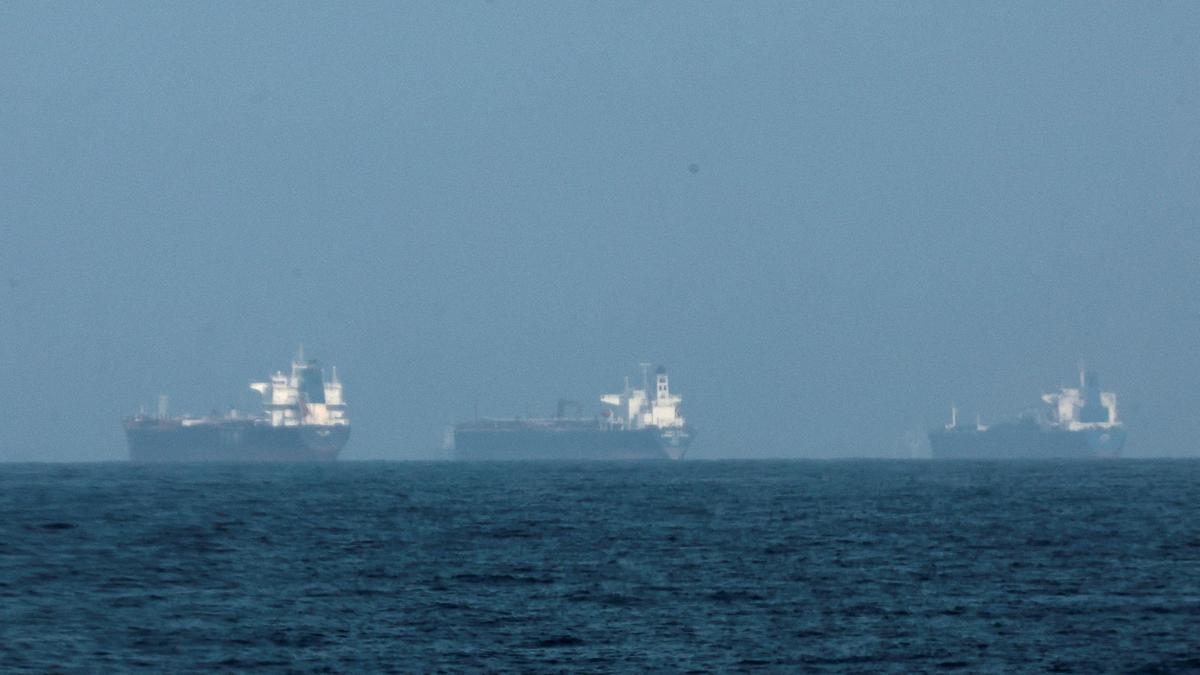
Islamabad is seeking alternative routes for crucial oil imports following disruptions to shipping through the Strait of Hormuz, a vital waterway for global energy supplies. On Wednesday, March 4, 2026, Pakistan’s Petroleum Ministry announced a request to Saudi Arabia to reroute oil shipments through the Red Sea port of Yanbu. This move comes amid escalating tensions in the Middle East and concerns over the security of energy supplies, particularly for nations heavily reliant on imports like Pakistan.
The Strait of Hormuz, situated between Iran and Oman, is a strategically critical chokepoint, facilitating a significant percentage of the world’s oil trade. Recent conflicts in the region have raised fears of potential closures or blockades, prompting Pakistan to proactively seek alternative supply lines. The vulnerability of this critical passage underscores the interconnectedness of global energy markets and the potential for geopolitical events to rapidly impact national economies. Pakistan’s economy, already facing challenges, is particularly sensitive to fluctuations in oil prices and supply disruptions.
According to the Ministry’s statement, Saudi Arabian sources have assured the security of oil supplies via the Port of Yanbu. One vessel has already been arranged to sail to Yanbu to collect crude oil destined for Pakistan. This initial shipment represents a crucial step in diversifying Pakistan’s import routes and mitigating the risks associated with relying solely on the Strait of Hormuz. The move highlights the strengthening energy cooperation between Pakistan and Saudi Arabia, a long-standing strategic partnership.
Geopolitical Context and the Strait of Hormuz
The Strait of Hormuz has long been a focal point of geopolitical tension. Its narrow waters are easily disrupted, making it a potential target in regional conflicts. The current situation, marked by heightened tensions between Iran and Israel, has amplified these concerns. Any prolonged disruption to shipping through the Strait could have severe consequences for global oil prices and energy security. The United States Navy maintains a significant presence in the region, tasked with ensuring freedom of navigation, but the risk of escalation remains a persistent threat.
The importance of the Strait of Hormuz cannot be overstated. Approximately 20% of the world’s total oil consumption passes through this waterway daily, according to the U.S. Energy Information Administration (EIA). For many Asian economies, including Pakistan, China, and Japan, the Strait of Hormuz is the primary route for oil imports. This dependence makes these nations particularly vulnerable to disruptions and underscores the need for diversified supply chains.
Pakistan’s Energy Security Concerns
Pakistan is heavily reliant on imported oil to meet its energy needs. The country lacks significant domestic oil reserves and relies on imports to fuel its economy and power generation. This dependence makes Pakistan particularly susceptible to fluctuations in global oil prices and disruptions to supply chains. The recent instability in the Middle East has exacerbated these concerns, prompting the government to accept proactive measures to secure its energy supplies.
Ali Pervaiz Malik, Pakistan’s Petroleum Minister, emphasized the government’s commitment to ensuring the continuity of oil supplies. He stated that the majority of Pakistan’s energy imports transit through the Strait of Hormuz and that the government is closely monitoring the situation. Malik raised the issue during a meeting with Nawaf bin Said Al-Malki, Saudi Arabia’s Ambassador to Pakistan, securing assurances of support from Riyadh. This diplomatic engagement underscores Pakistan’s efforts to strengthen its energy security through international cooperation.
Yanbu as an Alternative Route
The Red Sea port of Yanbu offers a viable alternative to the Strait of Hormuz for oil shipments to Pakistan. Even as the route via Yanbu is longer, it avoids the potential risks associated with navigating the congested and politically sensitive waters of the Persian Gulf. Saudi Arabia has been investing in its Red Sea ports, including Yanbu, to increase their capacity and facilitate the diversification of oil export routes.
Saudi Arabia itself is similarly exploring options to divert some of its crude oil exports to Yanbu to bypass the Strait of Hormuz, according to sources familiar with the matter. This parallel move suggests a broader regional strategy to mitigate the risks associated with the current geopolitical situation. The increased utilization of Yanbu could potentially reduce congestion in the Persian Gulf and enhance the overall resilience of global oil supply chains.
Logistical Considerations and Potential Challenges
While the Yanbu route offers a promising alternative, logistical challenges remain. The longer distance translates to increased shipping costs and transit times. The capacity of the Red Sea ports, including Yanbu, may need to be expanded to accommodate a significant increase in oil shipments.
The Bab el-Mandeb Strait, located at the southern end of the Red Sea, is another potential chokepoint that could pose a risk to oil shipments. However, the Bab el-Mandeb Strait is wider and less congested than the Strait of Hormuz, making it less vulnerable to disruption. The international naval presence in the Red Sea also provides a degree of security for shipping traffic.
International Response and Market Impact
The disruptions in the Strait of Hormuz have prompted a broader international response. Several countries, including the United States, have increased their naval presence in the region to ensure freedom of navigation. The International Energy Agency (IEA) has also been monitoring the situation closely and is prepared to coordinate a collective response if necessary.
The uncertainty surrounding oil supplies has already had an impact on global oil prices. Brent crude, the international benchmark, has seen increased volatility in recent weeks. Analysts predict that further disruptions could lead to a significant increase in oil prices, potentially impacting global economic growth. The situation underscores the importance of diversifying energy sources and investing in renewable energy technologies to reduce dependence on fossil fuels.
The United States has been actively engaging with regional partners to de-escalate tensions and ensure the free flow of oil through the Strait of Hormuz. Diplomatic efforts are ongoing to find a peaceful resolution to the conflicts in the Middle East and prevent further disruptions to global energy supplies. The outcome of these efforts will have significant implications for Pakistan and other oil-importing nations.
Key Takeaways:
- Pakistan is diversifying its oil import routes due to tensions impacting the Strait of Hormuz.
- Saudi Arabia is supporting Pakistan by offering the Red Sea port of Yanbu as an alternative.
- The Strait of Hormuz remains a critical, yet vulnerable, chokepoint for global oil supplies.
- Increased international naval presence aims to ensure freedom of navigation in the region.
As the situation in the Middle East continues to evolve, Pakistan will remain vigilant in monitoring developments and taking necessary steps to secure its energy supplies. The success of the Yanbu route will depend on continued cooperation with Saudi Arabia and the ability to overcome logistical challenges. The international community will also play a crucial role in de-escalating tensions and ensuring the stability of global energy markets. Further updates on this developing situation will be provided as they become available.
What are your thoughts on Pakistan’s strategy to secure its energy supplies? Share your comments below and let us know how you think this situation will unfold. Don’t forget to share this article with your network to keep others informed.