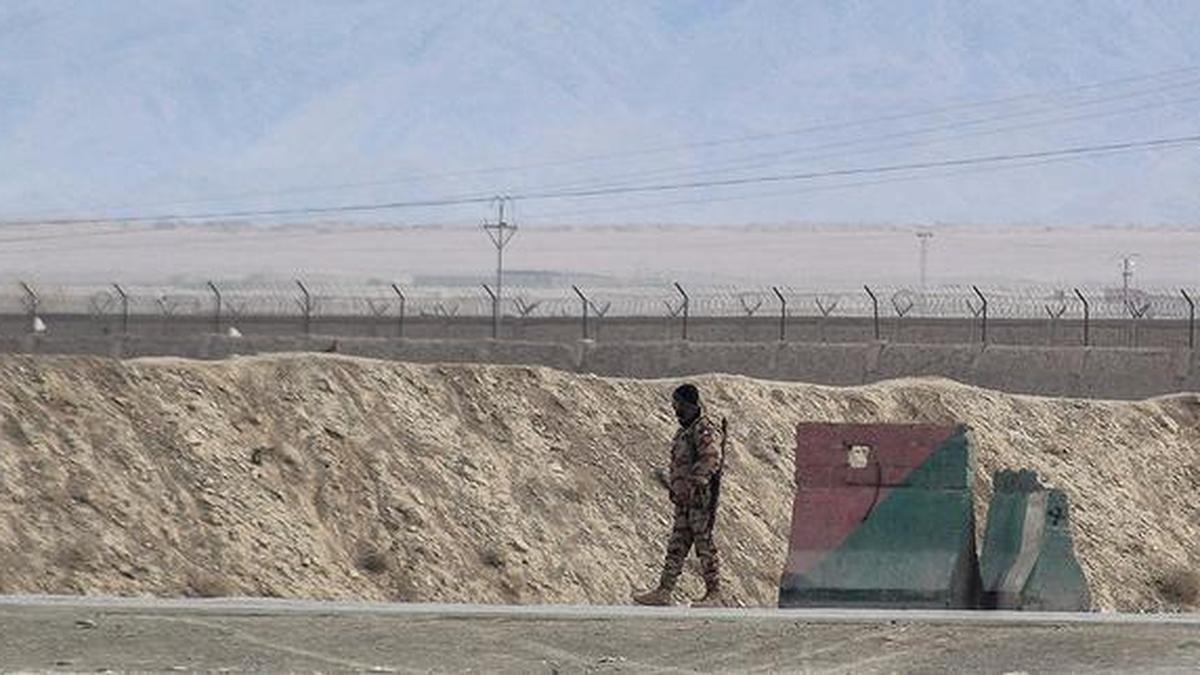
Islamabad launched strikes targeting militant groups along the border with Afghanistan early Sunday, escalating tensions between the two nations amid a surge in attacks within Pakistan. The Pakistani military stated the operations were aimed at disrupting the operations of the Tehrik-e-Taliban Pakistan (TTP), also known as the Pakistani Taliban, and affiliated groups, including an Islamic State affiliate. This action follows a recent increase in militant activity, including a deadly suicide bombing in northwestern Pakistan, raising concerns about regional security and prompting a strong response from the Pakistani government.
The strikes, described by Information Minister Attaullah Tarar as “intelligence-based, selective operations,” targeted seven camps, according to the Pakistani military. While the precise locations of the strikes remain undisclosed, the move signals a heightened commitment from Pakistan to address the threat posed by militants operating from across the border. The timing of these operations is particularly significant, coming after a period of increased violence and a growing sense of urgency within Pakistan to counter the rising tide of terrorism. The Pakistani government has repeatedly accused the Afghan Taliban authorities of providing safe haven to militant groups, a claim that Kabul has consistently denied.
Escalating Tensions and Regional Security Concerns
The recent military action underscores the deteriorating relationship between Pakistan and Afghanistan. Pakistan has long maintained that militants utilize Afghan territory to plan and execute attacks within its borders. The strikes represent a significant escalation in Pakistan’s response to these threats, moving beyond diplomatic protests to direct military action. This assertive stance, however, risks further destabilizing the region and potentially provoking retaliatory measures. The situation is complicated by the complex political landscape in Afghanistan and the presence of various militant groups with differing agendas.
The strikes come days after a devastating suicide bombing in the Bajaur district of Khyber Pakhtunkhwa province, bordering Afghanistan, claimed the lives of 11 soldiers and a child. Authorities identified the attacker as an Afghan national, further fueling tensions and prompting the Pakistani government to take decisive action. According to the Associated Press, the attack involved a vehicle-borne improvised explosive device (VBIED) rammed into a security post, causing significant structural damage and casualties. This incident served as a catalyst for the latest military operations, demonstrating Pakistan’s resolve to protect its citizens and territory.
Targeting the Tehrik-e-Taliban Pakistan (TTP) and Islamic State Affiliates
The TTP, a militant group seeking to enforce its interpretation of Islamic law in Pakistan, has been responsible for numerous attacks in recent years. The group has claimed responsibility for several high-profile incidents, including attacks on security forces, government officials, and civilians. The Pakistani military’s targeting of TTP camps aims to disrupt the group’s operational capabilities and weaken its ability to launch further attacks. The TTP’s resurgence has been a major concern for Pakistani authorities, who have launched several operations to counter the group’s influence.
In addition to the TTP, the Pakistani military also targeted an affiliate of the Islamic State group operating in the border region. The presence of Islamic State in the area poses a separate but equally concerning threat, as the group has demonstrated a willingness to carry out indiscriminate attacks against both civilian and military targets. Hindustan Times reported that the strikes were, in part, a response to a suicide bombing at a Shiite mosque in Islamabad two weeks prior, an attack claimed by Islamic State that resulted in at least 31 deaths and over 160 injuries. This was the deadliest attack in the capital since the 2008 Marriott Hotel bombing.
Previous Strikes and Pakistan’s Stance
This represents not the first instance of Pakistan conducting strikes inside Afghanistan. In October, similar operations were carried out targeting militant hideouts. These previous actions, coupled with the latest strikes, demonstrate a pattern of escalating responses to perceived threats emanating from Afghan territory. Pakistan maintains that it has always sought to maintain peace and stability in the region, but emphasizes that the safety and security of its citizens remain its top priority. This stance reflects a growing frustration within Pakistan over the perceived lack of action by the Afghan Taliban to address the issue of cross-border militancy.
Information Minister Attaullah Tarar, speaking on X (formerly Twitter), reiterated Pakistan’s commitment to regional stability while underscoring the necessity of protecting its own interests. His statement highlighted the intelligence-led nature of the operations, suggesting a targeted approach aimed at minimizing collateral damage. However, the lack of specific details regarding the locations and extent of the strikes raises questions about transparency and potential unintended consequences.
International Reactions and Potential Implications
As of Sunday, February 22, 2026, there has been no official comment from Kabul regarding the Pakistani strikes. However, reports on social media suggest the operations were carried out inside Afghanistan, potentially raising concerns about a violation of Afghan sovereignty. The lack of immediate response from the Afghan Taliban could indicate a desire to avoid further escalation, or it may signal a growing rift between the two countries. The international community is closely monitoring the situation, with concerns about the potential for a wider conflict in the region.
The United Nations has called for restraint and dialogue between Pakistan and Afghanistan, urging both sides to address their concerns through peaceful means. Other regional powers, including China and Iran, have also expressed concerns about the escalating tensions and called for a diplomatic solution. The United States has reiterated its commitment to supporting regional stability and has urged both Pakistan and Afghanistan to work together to counter the threat of terrorism. The situation remains fluid, and the potential for further escalation is high.
The Broader Context of Cross-Border Militancy
The issue of cross-border militancy between Pakistan and Afghanistan is deeply rooted in the region’s complex history and political landscape. The porous border between the two countries has long been a haven for militant groups, who exploit the lack of effective border control to move freely and launch attacks. The rise of the TTP and Islamic State in the region has further exacerbated the problem, posing a significant challenge to both Pakistan and Afghanistan. Addressing this issue requires a comprehensive approach that includes strengthening border security, promoting economic development, and fostering political dialogue.
The recent strikes by Pakistan are likely to further complicate the already fragile relationship between the two countries. While Pakistan argues that This proves acting in self-defense, Afghanistan may view the strikes as a violation of its sovereignty and a provocation. The situation underscores the need for a sustained diplomatic effort to address the underlying causes of the conflict and build trust between the two nations. Without a concerted effort to address these issues, the region risks descending into further instability and violence.
The Pakistani military’s actions represent a clear signal of its determination to confront the threat of terrorism emanating from across the border. However, the long-term effectiveness of this strategy remains to be seen. A sustainable solution requires a multifaceted approach that addresses the root causes of militancy, strengthens regional cooperation, and promotes a peaceful resolution to the conflict. The international community has a crucial role to play in supporting these efforts and ensuring the stability of the region.
Further updates on this developing situation are expected in the coming days, particularly regarding any response from the Afghan Taliban and the potential for further military action. The situation remains highly sensitive, and the potential for miscalculation is significant. Continued monitoring of the situation and a commitment to diplomatic engagement are essential to prevent further escalation and promote a lasting peace in the region.
What are your thoughts on Pakistan’s recent actions? Share your comments below and join the conversation.
Related reading
- Denmark News: Teenagers Arrested for School Terror Plot and SAS Strike Threats
- Ukraine Drone Strikes Hit Russian Oil Refinery and Wildberries Logistics Center
- Ghost Fleet Tankers Build Up Off Pakistan Coast (news-usa.today)
- Russia and Ukraine Trade Deadly Strikes as Casualties Mount (newsdirectory3.com)