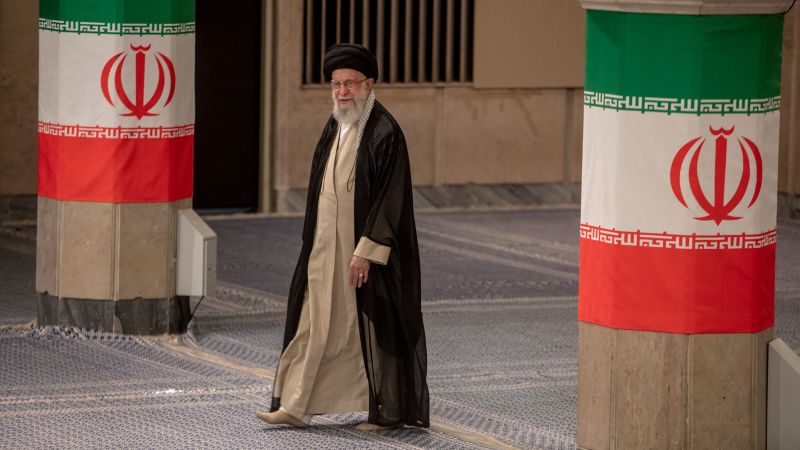
As the clock ticks down toward a critical deadline that could reshape the security architecture of the Middle East, Pakistan has stepped into the breach, attempting to avert a direct military confrontation between the United States and Iran. In a high-stakes diplomatic gamble, Pakistani Prime Minister Shehbaz Sharif has formally requested that U.S. President Donald Trump extend the current ultimatum given to Tehran by two weeks to allow for a diplomatic resolution.
The urgency of this request cannot be overstated. Current reports indicate that the deadline set by the Trump administration for Iran to reopen the Strait of Hormuz is slated to expire at dawn on Wednesday, April 8, 2026. With the window for negotiation closing, Islamabad is positioning itself as a vital bridge between Washington and Tehran, urging both sides to prioritize stability over escalation.
For those of us who have tracked geopolitical shifts in the region for over a decade, this moment represents a precarious tipping point. The Strait of Hormuz remains one of the world’s most vital maritime chokepoints. any prolonged closure or military engagement in these waters would likely trigger an immediate global energy crisis. Pakistan’s intervention is not merely a gesture of regional solidarity but a strategic necessity to prevent a wider conflict that could destabilize South Asia and the Gulf alike.
The Pakistani Proposal: A 14-Day Window for Peace
Prime Minister Shehbaz Sharif’s approach is two-pronged, targeting both the aggressor and the besieged. First, he has appealed to President Donald Trump to grant a two-week extension of the deadline imposed on Iran. This extension is intended to provide the necessary breathing room for diplomats to hammer out a sustainable agreement before military options are exhausted.
Simultaneously, Islamabad has called upon Tehran to reopen the Strait of Hormuz for 14 days as a “gesture of good faith.” By requesting a reciprocal move from Iran, Pakistan is attempting to demonstrate to the White House that Tehran is open to negotiation, thereby lowering the immediate pressure for U.S. Military intervention.
The overarching goal of the Pakistani leadership is to secure a total ceasefire for two weeks. According to diplomatic sources, this pause would be used to facilitate an intensive diplomatic push aimed at ending the current hostilities permanently, rather than merely delaying the inevitable. This strategy reflects Pakistan’s broader role as a regional mediator, working alongside other nations to prevent a systemic collapse of security in the region.
Trump’s “Hell” Warning: The Stakes of Failure
The desperation of the diplomatic effort is underscored by the severity of the threats issued by the U.S. Administration. President Donald Trump has been explicit about the consequences should Iran fail to comply with the deadline to open the Strait of Hormuz. The U.S. President has warned that failure to reach an agreement will result in strikes that he has described as “hell,” specifically targeting the “functional” infrastructure of the Iranian state .
Unlike previous tensions that focused on symbolic targets, the current U.S. Strategy appears to target critical national assets. The warned targets include:
- Vital Bridges: To disrupt internal logistics and military movement.
- Power Stations: To cripple the energy grid and industrial capacity.
- Critical Infrastructure: Broad strikes aimed at the state’s ability to function.
This shift toward targeting infrastructure suggests a strategy of “functional” attrition, intended to force Tehran’s hand by demonstrating the ability to disable the country’s core utilities without necessarily engaging in a full-scale ground invasion. For the international community, the prospect of such strikes raises alarms regarding the potential for uncontrolled escalation and the inevitable impact on global oil prices.
Regional Mediators and the Struggle for a Truce
While Pakistan is taking the lead in this specific request, it is not acting in isolation. A coalition of regional mediators, including Egypt and Turkey, has been engaged in intense diplomatic movements to stop the escalation . These nations recognize that a conflict in the Strait of Hormuz would have a domino effect, impacting trade routes and security across the Mediterranean and the Middle East.
However, the path to a truce has been fraught with disagreement. Reports indicate that a proposal for a 45-day truce has already faced rejection from the Iranian side . The current diplomatic effort is now focusing on a more condensed timeline: a proposal that involves an immediate ceasefire and the reopening of the Strait, leading to a final, comprehensive agreement within 15 to 20 days.
The difficulty in reaching an agreement stems from the fundamental distrust between Washington and Tehran. The U.S. Views the closure of the Strait as an unacceptable act of aggression against global commerce, while Iran views the U.S. Deadlines and threats of infrastructure strikes as an act of war. Pakistan’s role is to discover a middle ground where both parties can claim a strategic victory—the U.S. Seeing the Strait reopen, and Iran seeing the threat of “hell” removed.
Summary of the Current Diplomatic Proposals
| Proposal Source | Requested Action | Timeline | Status |
|---|---|---|---|
| Pakistan (to Trump) | Extension of Deadline | 2 Weeks | Pending Response |
| Pakistan (to Iran) | Open Strait of Hormuz | 14 Days | Proposed |
| General Diplomacy | Ceasefire to Final Agreement | 15–20 Days | Under Discussion |
| Previous Proposal | General Truce | 45 Days | Rejected by Iran |
What This Means for Global Stability
The current crisis is more than a bilateral dispute; it is a test of the modern international order’s ability to manage “maximum pressure” campaigns. The Strait of Hormuz is the artery through which a significant portion of the world’s petroleum flows. Any military action in this corridor would likely lead to a spike in energy costs, affecting everything from heating in Europe to transport in Asia.
From a geopolitical perspective, Pakistan’s intervention is a calculated move to maintain its relevance as a neutral actor capable of talking to both the West and the Islamic world. By attempting to save the diplomatic process, Islamabad is not only seeking to prevent war but is also attempting to secure its own economic interests, which are heavily dependent on regional stability.
However, the probability of a quick agreement remains low. The Trump administration’s history of using deadlines as a tool for leverage suggests that the “dawn Wednesday” deadline may be a hard line. Conversely, Tehran’s history of strategic patience and defiance indicates they may be willing to risk a strike to avoid appearing as though they have succumbed to U.S. Ultimatums.
The next critical checkpoint is dawn on Wednesday, April 8, 2026. The world will be watching to see if President Trump accepts Prime Minister Sharif’s plea for a two-week extension or if the U.S. Proceeds with the threatened strikes on Iranian infrastructure.
We will continue to monitor this developing story. Do you believe diplomatic extensions are effective in high-pressure ultimatums, or is military deterrence the only language that works in this region? Share your thoughts in the comments below and subscribe for real-time updates.
Worth a look