
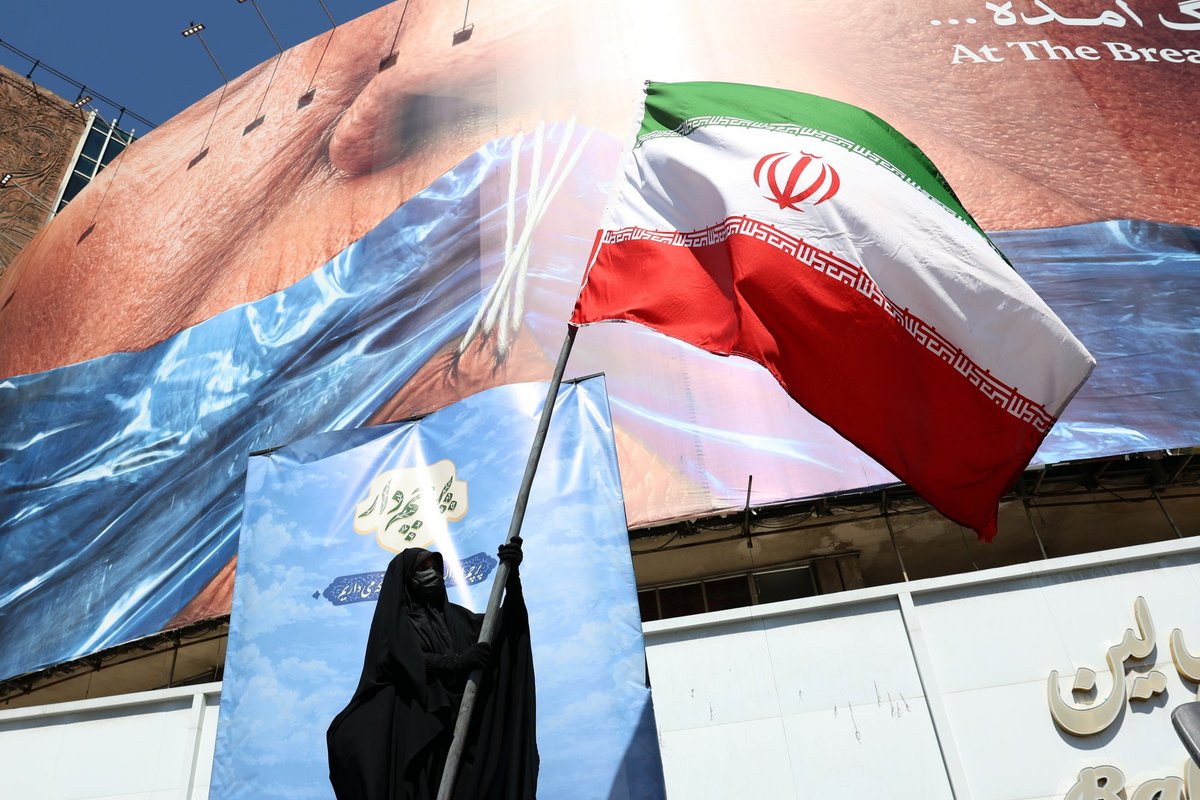
Pakistan is positioning itself as a critical diplomatic intermediary in one of the most volatile geopolitical crises of the decade. Prime Minister Shehbaz Sharif has announced that Islamabad will host high-level delegations from the United States and Iran to facilitate urgent peace talks aimed at resolving a conflict that has brought the Middle East to the brink of total escalation.
The move comes as a desperate attempt to solidify a fragile two-week ceasefire between Washington and Tehran. According to Prime Minister Sharif, the delegations are scheduled to arrive in Islamabad on Friday, April 10, 2026, to negotiate a final agreement that would resolve all outstanding disputes and prevent a return to open warfare.
The diplomatic effort is unfolding against a backdrop of extreme tension. The current crisis was precipitated by strikes launched by the United States and Israel on February 28, which targeted Iran and resulted in the death of Iran’s highest leader. This event triggered a series of retaliatory attacks by Tehran against Israel and various nations across the Persian Gulf, drawing the region into a wide-scale military confrontation.
As the world watches, the success of the US-Iran peace negotiations in Islamabad may determine whether the region stabilizes or descends further into chaos. Pakistan’s role as a communication channel has become pivotal, leveraging its unique relationship with both the Trump administration and the Iranian leadership to keep dialogue open when direct communication had all but vanished.
A Fragile Ceasefire and the Path to Islamabad
The decision to convene in Islamabad follows a narrow escape from further escalation. Both Tehran and Washington recently agreed to a two-week ceasefire, a deal reached just hours before a deadline set by U.S. President Donald Trump. At the time, the U.S. Administration had issued stark warnings, including threats to destroy Iran if specific conditions were not met.
Prime Minister Shehbaz Sharif, expressing gratitude to the leadership of both nations, has framed the upcoming talks as a necessary step toward a sustainable peace. In a statement shared on the social media platform X, Sharif invited the delegations to Islamabad, stating that the goal is to reach a final agreement that would resolve all existing disputes.
The “Islamabad negotiations” are seen as a high-stakes gamble. While the ceasefire provides a temporary window of silence, the underlying grievances—ranging from the February 28 strikes to the broader regional power struggle—remain unresolved. The international community is now looking to Pakistan to bridge the gap between two powers that have spent months in a cycle of retaliation.
The Role of Pakistan as a Diplomatic Bridge
Pakistan’s emergence as the primary mediator in this conflict is not accidental. In recent weeks, Islamabad has successfully cultivated a role as a reliable communication channel between Tehran and Washington. This is attributed in part to the close relationship established between Prime Minister Sharif and President Donald Trump, combined with Pakistan’s need to maintain stability on its own border with Iran.
By acting as a neutral ground, Pakistan is attempting to provide a “face-saving” mechanism for both parties. For the United States, utilizing a third-party mediator allows for negotiations without the political risk of appearing to concede to Tehran. For Iran, the involvement of a neighboring Muslim-majority nation provides a diplomatic layer of protection and a more palatable environment for dialogue than direct concessions to Washington.
Prime Minister Sharif has expressed sincere hope that these negotiations will lead to a lasting peace, noting that the Pakistani government intends to share further positive developments in the coming days.
Roots of the Conflict: From February Strikes to Regional War
To understand the gravity of the talks in Islamabad, one must look at the rapid deterioration of security that began in early 2026. The catalyst was the joint military operation on February 28, when U.S. And Israeli forces conducted strikes within Iran. The operation’s primary outcome—the death of Iran’s top leader—served as the trigger for a regional firestorm.
Tehran responded with a series of coordinated attacks targeting Israel and several Persian Gulf states. The conflict quickly expanded beyond a bilateral dispute, drawing in non-state actors and neighboring countries. Specifically, the Iranian-backed group Hezbollah launched significant attacks against Israel, which prompted a fierce Israeli response. These counter-attacks included strikes on the Lebanese capital and the initiation of a ground operation in southern Lebanon.
This multi-front war created a humanitarian and security crisis that threatened global energy markets and international shipping lanes. The sheer scale of the violence made the eventual two-week ceasefire a necessity for all parties involved, setting the stage for the current diplomatic push in Pakistan.
Stakeholders and the Quest for a Final Agreement
The upcoming negotiations in Islamabad involve a complex web of stakeholders, each with conflicting objectives. The primary goal for the United States remains the containment of Iranian influence and the assurance of regional security, while Iran seeks guarantees against future strikes and a resolution to the pressures exerted by Washington.
Beyond the primary combatants, the outcome of these talks will heavily impact:
- Lebanon: Where the conflict between Israel and Hezbollah has caused significant instability and displacement.
- Persian Gulf States: Which have faced direct retaliatory strikes from Tehran.
- Global Markets: Which remain sensitive to any disruption in the Persian Gulf’s stability.
The “final agreement” mentioned by Prime Minister Sharif would likely need to address not only the immediate ceasefire but also the status of the February 28 strikes and the future of military operations in Lebanon. Without a comprehensive deal, the two-week window of peace may simply be a pause before a renewed cycle of violence.
The world now awaits the results of the April 10 meeting. The success of these talks will be a litmus test for Pakistan’s diplomatic capabilities and a critical indicator of whether the U.S. And Iran can move past the brink of total war.
The next confirmed checkpoint for this developing story will be the arrival and initial meetings of the U.S. And Iranian delegations in Islamabad on April 10, 2026.
We invite our readers to share their perspectives on this diplomatic effort in the comments below. Please share this report to keep others informed on these critical global developments.