The Unseen Scars of Gaza: Imad qudaih’s Story of Resilience and Witness
The ongoing conflict in Gaza has produced a relentless stream of statistics and headlines, often obscuring the deeply personal stories of those living through unimaginable hardship. A recent episode of the PalCast podcast,titled “My unseen Memories,” offers a profoundly moving and vital counterpoint - a first-person account of life under siege from Imad Qudaih,a 22-year-old visually impaired student and journalist. Qudaih’s story isn’t just a testament to individual resilience; it’s a stark indictment of the human cost of conflict and a desperate plea for peace.
Imad Qudaih, a freelance journalist with BBC News since June 2024, currently displaced in Al-Mawasi, shares his experiences as a student of English translation at the Islamic University of Gaza. His narrative, delivered with raw honesty to hosts Yousef and tony, transcends the typical war report, offering an intimate glimpse into the daily struggles, losses, and unwavering spirit of a young man navigating a world shattered by violence.but what makes Imad’s story especially compelling, and tragically resonant, is the added layer of navigating this devastation while visually impaired.
A Life Displaced, A World Erased
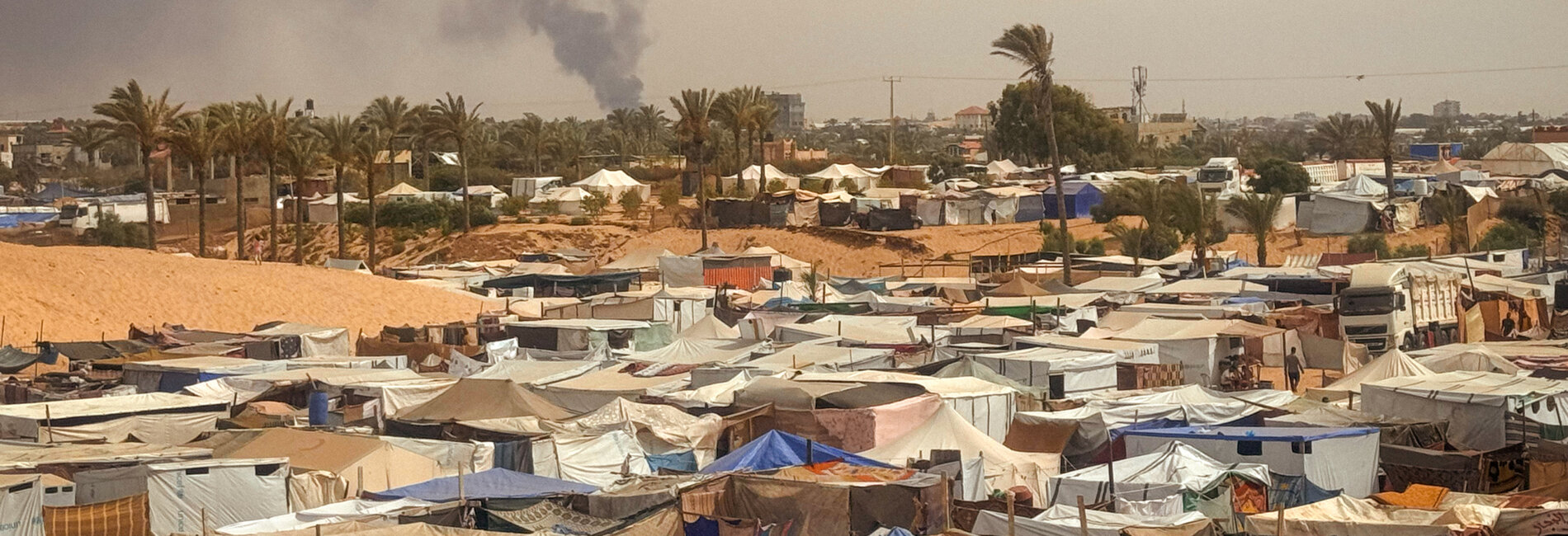
Qudaih’s account details the repeated displacements his family has endured – more than ten moves in a desperate search for safety that proved elusive.This constant upheaval is a tragically common experience for Gazans, with the UN reporting that as of November 2023, over 1.7 million people – roughly 75% of the population – were internally displaced (UNRWA). For Imad, each relocation wasn’t simply a change of address; it was a complete erasure of familiarity. His visual impairment meant every new environment presented a unique set of challenges, a constant need to re-orient himself in a world that had become inherently unstable.
He recounts the horrors witnessed firsthand: airstrikes claiming the lives of children simply trying to collect water, the targeted killing of fellow journalist iman Ahmad by an Israeli drone while she was attempting to meet basic needs. These aren’t abstract tragedies; they are personal losses that underscore the deliberate targeting of civilians and the suppression of information. A recent report by the Committee to protect Journalists (CPJ) documented the deaths of at least 79 journalists and media workers since the conflict began in October 2023, highlighting the extreme risks faced by those attempting to report from the region. https://cpj.org/2024/01/journalist-casualties-in-the-israel-gaza-conflict/
Loss Beyond Measure, Duty Beyond Self
The destruction extended beyond human life. Imad mourns the loss of his essential study tools – his braille machine, books, and laptop – all buried under the rubble of his home. These weren’t merely possessions; they were the keys to his education, his independence, and his future.Despite these devastating losses and sustaining injuries himself, Imad persevered, continuing his studies online and fulfilling his role as a journalist.
His reporting isn’t focused on grand strategic analyses, but on the visceral realities of survival. He shares harrowing accounts of starvation, recalling an elderly man begging for bread after five days without food, and the profound grief of losing friends and cousins to Israeli bombings. For Imad, this work isn’t simply a profession; it’s a humanitarian duty – a desperate attempt to amplify the voices of those silenced by conflict. He embodies a powerful truth: even in the face of unimaginable suffering, the human spirit can endure and strive to bear witness.
A Future Uncertain, A Plea for Action
The PalCast episode reveals Imad’s deep-seated fears for the future of Gaza. He expresses a chilling belief that a deliberate plan exists to displace the territory’s population, pointing to the widespread destruction of towns and the imposition of starvation as evidence.These concerns echo warnings from international organizations like Amnesty international, which has documented evidence of forced displacement and collective punishment. [https://www.amnesty.org/en/location/middle-east-and-north-africa/israel-and-occupied-palestinian-territories/](https://www.amnesty.org/en/location/middle-east-and-north-africa/israel-and-occupied-palestinian-territories