The Crushing Reality of Displacement: Inside Gaza‘s Tent Cities – A Story of Resilience and Loss
The ongoing conflict in Gaza has created a humanitarian crisis of immense scale, forcing hundreds of thousands to flee their homes and seek refuge in increasingly precarious conditions. Beyond the statistics, lies a deeply human story of loss, resilience, and the struggle to maintain dignity in the face of unimaginable hardship. A recent episode of the PalCast podcast, titled A Tent Is Not a Home, offers a profoundly moving and intimate glimpse into this reality through the experience of Riwaa Abuquta, a young woman from rafah, and her family. This article delves into the details shared in the episode, exploring the daily struggles, the emotional toll, and the long-term consequences of displacement in Gaza, while providing context and resources for those seeking to understand this complex situation.
Life Under Canvas: The Fragility of Shelter in gaza
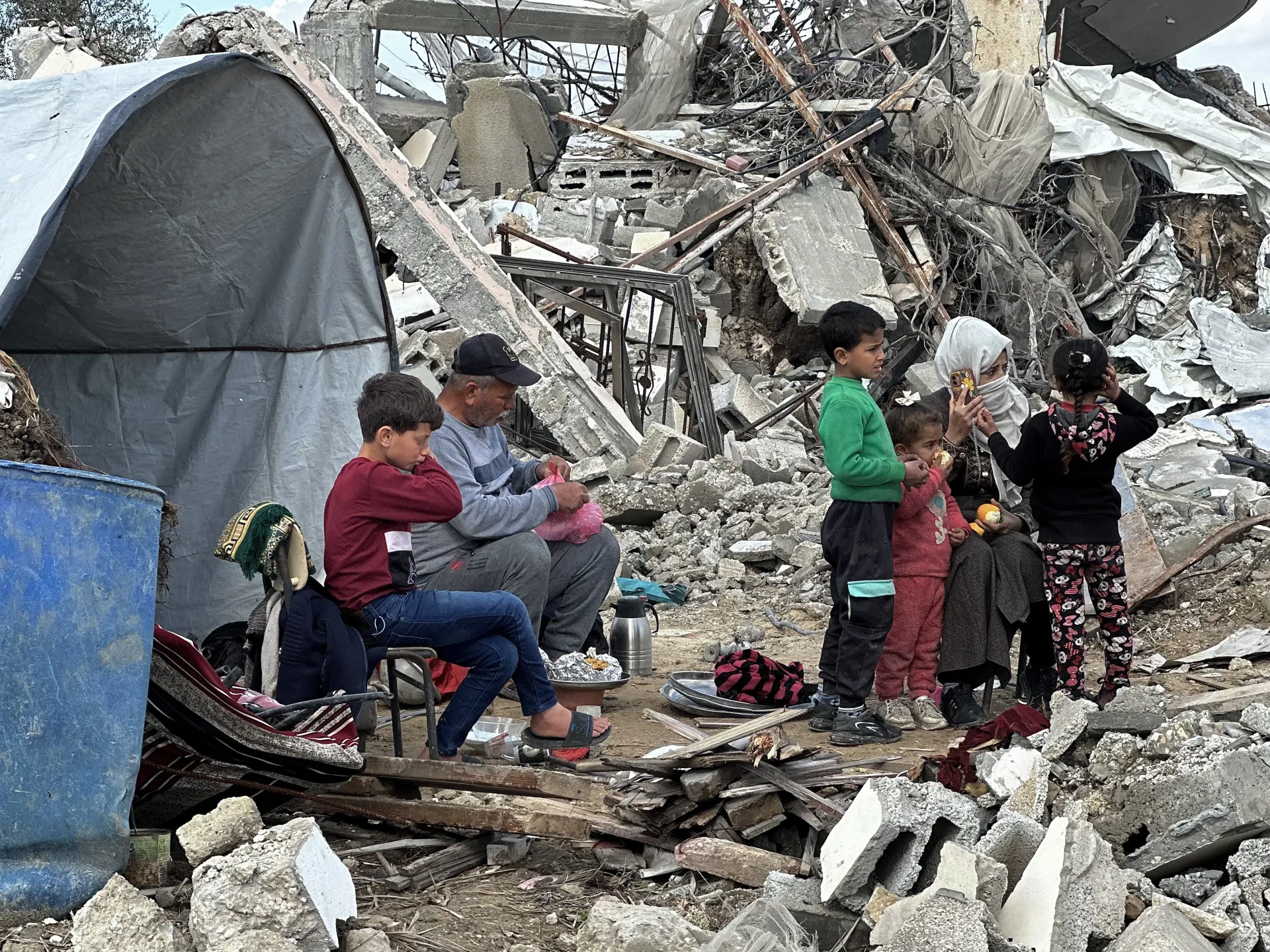
Riwaa’s story is not unique. Since the escalation of the conflict, countless families have been forced to abandon their homes, seeking safety wherever they can find it – often in overcrowded shelters or, tragically, in makeshift tent cities. For Riwaa, her parents, and five sisters (including one wiht a disability), a tent became home for a year and a half. But as she powerfully articulates, a tent is not a home. It’s a temporary, fragile barrier against the elements, offering little protection from the physical and psychological trauma of displacement.
The PalCast episode vividly portrays the harsh realities of life in these tent settlements. Riwaa describes battling relentless storms, enduring freezing temperatures, and living under a constant cloud of fear. The simple act of sleeping becomes a luxury, disrupted by the wind, rain, and the ever-present anxiety of potential collapse. Each attempt to repair the tent feels futile, knowing the next storm coudl undo all the effort.This resonates with recent reports from organizations like the UNRWA, wich highlight the deteriorating conditions in temporary shelters, particularly as winter approaches. https://www.unrwa.org/
Beyond Physical Hardship: The Invisible Scars of Siege
The challenges extend far beyond the lack of adequate shelter. The episode, hosted by Yousef and tony, underscores the daily grind of survival under siege. Basic necessities – cooking, washing, and maintaining hygiene – become monumental tasks in unsafe and unsanitary conditions. the disruption of routine, coupled with limited access to the internet and the constant drone of surveillance, makes work and rest nearly impractical.Even a simple search for a mobile signal carries the risk of being targeted.
This constant state of alert and deprivation takes a devastating toll on mental health. According to a report by the World Health Association (WHO) published in November 2023, rates of anxiety, depression, and PTSD are skyrocketing in Gaza. https://www.who.int/news/item/28-11-2023-gaza-mental-health-crisis-deepens-as-needs-soar The lack of access to mental healthcare exacerbates the problem, leaving individuals and families to cope with trauma alone.
The Cost of Displacement: Dreams Deferred and Health Compromised
The PalCast episode doesn’t shy away from the personal sacrifices demanded by this crisis. Riwaa poignantly shares how her father was briefly hospitalized due to heart problems, and her sister’s disability worsened due to malnutrition and the psychological impact of the trauma. Riwaa herself was forced to abandon her plans for a master’s degree and a scholarship, prioritizing the care of her family and seeking medical evacuation for her sister.
This illustrates a broader trend: displacement disrupts education, employment, and access to healthcare, creating a cycle of vulnerability and hindering long-term recovery. A recent study by the Norwegian Refugee Council found that displacement substantially increases the risk of chronic health conditions and reduces access to essential services.https://www.nrc.no/
What Can Be Done? Supporting those Affected by Displacement
Riwaa’s story is a powerful call to action. While the situation in Gaza is incredibly complex, there are ways to offer support:
* Donate to reputable humanitarian organizations: Organizations like UNRWA, the Red Cross/Red Crescent, and Doctors Without Borders are providing critical aid on the ground.
Worth a look
- Hernán Cristante on Leagues Cup: Mexican Teams’ Struggles and Referees
- Japan Airlines Shares Drop 1.4% Following Latest Earnings Report
- House of the Dragon Season 3: Director Insights, Episode Reviews and Fan Theories (newsdirectory3.com)
- House of the Dragon Season 3: Episode 7 Review and Finale Teasers (news-usa.today)