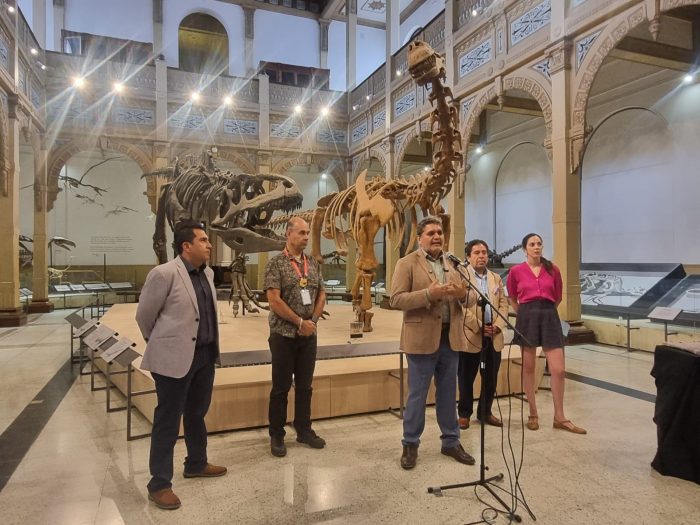
The recent launch of Chile’s first paleontology degree program marks a pivotal moment for the nation’s scientific community and its connection to the rich prehistoric world hidden within its borders. This initiative isn’t just about studying dinosaurs; it’s about fostering a new generation of scientists, bolstering economic growth, and igniting public interest in the Earth’s ancient past.
A New Era for Chilean Paleontology
For decades, aspiring paleontologists in Chile faced a significant hurdle: the need to leave the country to pursue higher education in their field. Now, that’s changing. The new degree program, established at a regional university, promises to keep talented students within Chile, contributing to local research and innovation. I’ve found that providing accessible educational opportunities is crucial for nurturing scientific talent and driving progress.
This development is particularly significant given Chile’s immense paleontological potential. Vast stretches of the atacama Desert, known for its arid conditions, have proven to be remarkably well-preserved fossil grounds. According to a recent report by the Chilean National Geology and Mining Service (January 2026), the Atacama region holds an estimated 200 undiscovered fossil sites.
The program’s director emphasizes that paleontology extends beyond academic curiosity. It plays a vital role in evaluating environmental impacts and informing land-use planning. Forming specialists within chile is, therefore, a strategic investment in the country’s future.
Inspiring Future Scientists
the impact of paleontology on public imagination is undeniable. The Dinosaurios del Sur del Mundo
exhibition, currently on display, has captivated over 902,000 visitors, becoming one of the most popular