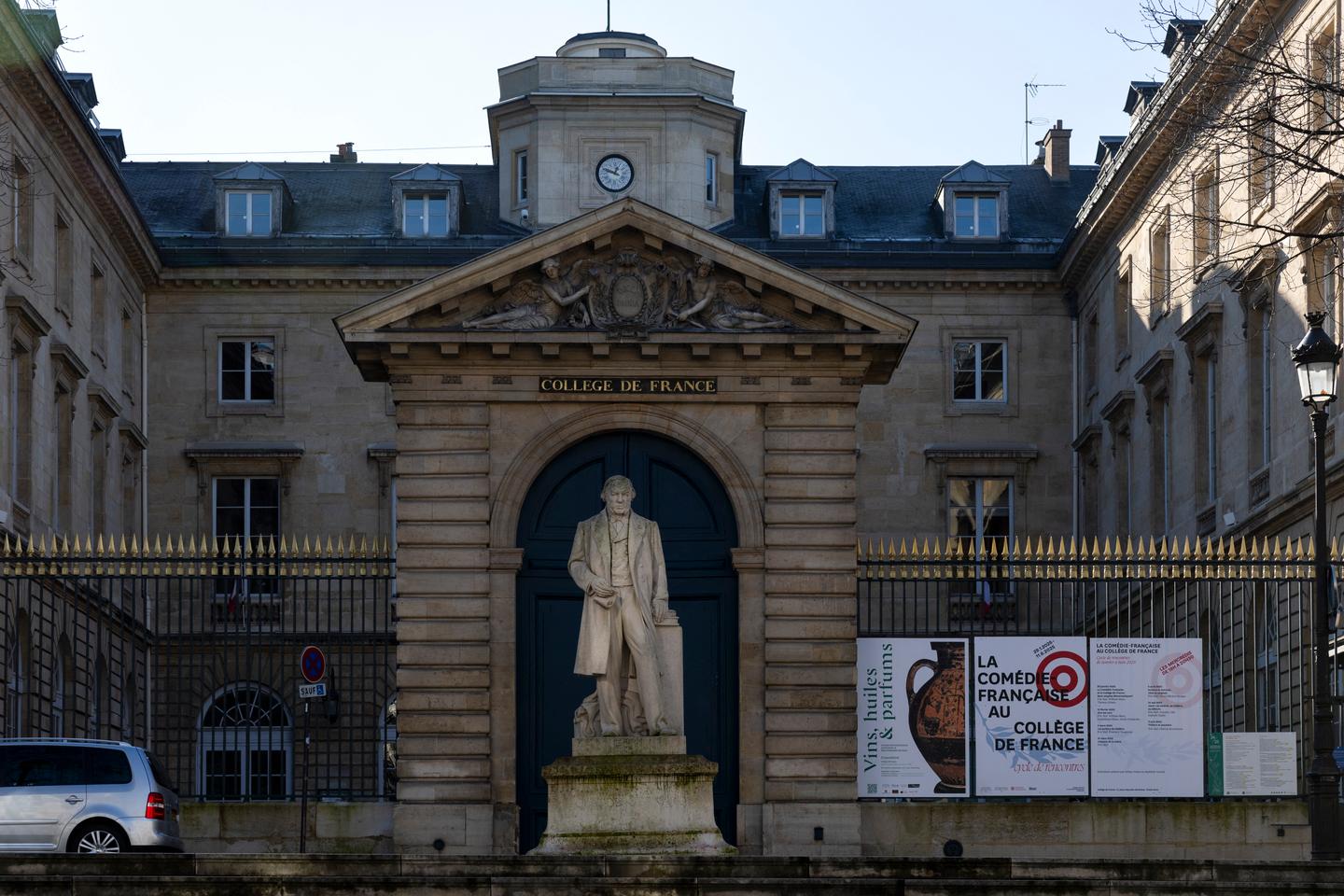
Academic Freedom under Scrutiny: A Controversial Colloquium Cancellation
A recent decision to cancel a scholarly conference at the prestigious Collège de France has ignited a fierce debate surrounding academic freedom and the boundaries of permissible discourse. The planned event, titled “Palestine and Europe: The Weight of the Past and Contemporary Dynamics,” became the focal point of controversy, ultimately leading to its revocation.
The administrator’s concern centered on weather the colloquium, as initially structured by its organizers, would foster a truly open, respectful, and diverse exchange of ideas. He publicly stated his belief that the proposed format risked falling short of these essential conditions for genuine academic inquiry.
This action immediately drew strong condemnation from the academic community. Nearly 1,500 researchers, educators, and students swiftly signed a petition demanding the administrator’s resignation. They argue that the cancellation represents a serious infringement upon essential academic and scientific liberties.
What’s at Stake with Academic Freedom?
Academic freedom isn’t simply about the right to research and publish. It’s a cornerstone of a healthy democracy, and here’s why:
* Free Inquiry: It protects the ability to explore challenging or unpopular ideas without fear of reprisal.
* Robust Debate: It encourages a marketplace of ideas,where diverse perspectives can be rigorously examined.
* Intellectual Progress: it’s essential for advancing knowledge and understanding across all disciplines.
* Societal Benefit: Ultimately, a free exchange of ideas benefits society as a whole.
I’ve found that these situations often stem from a well-intentioned, but ultimately misguided, attempt to manage potential conflict. However, suppressing debate, even with the goal of fostering inclusivity, can have a chilling effect on intellectual exploration.
The Core of the Controversy
The specific concerns surrounding the “Palestine and Europe” colloquium haven’t been fully detailed publicly. However, the controversy highlights a growing tension: how to balance the need for open discussion with the desire to avoid platforms for hate speech or biased perspectives.
Here’s what’s crucial to remember: academic freedom doesn’t equate to a license to promote harmful ideologies. It does require a commitment to allowing even controversial viewpoints to be presented and critically analyzed.
A Broader Trend?
This incident isn’t isolated. Across the globe, we’re seeing increasing pressure on academics to self-censor or avoid certain topics. This can come from government interference,institutional policies,or even public backlash.
You might be wondering what you can do to support academic freedom. Here are a few steps:
* Advocate for institutional policies that protect academic expression.
* Speak out against attempts to silence or intimidate scholars.
* Engage in respectful dialog with those who hold different views.
* Support organizations dedicated to defending academic freedom.
Ultimately, safeguarding academic freedom requires a constant vigilance and a firm commitment to the principles of open inquiry, respectful debate, and intellectual pluralism. It’s a fragile pillar of our democracies, and one we must actively protect.
Keep reading