## United Kingdom Recognizes Palestine: A Shifting Global Landscape (September 22, 2025)
The geopolitical terrain of the Middle East experienced a significant alteration today as the United Kingdom, under Prime Minister Keir Starmer, officially acknowledged the State of Palestine. This landmark decision, communicated via a pre-recorded video disseminated across platforms like YouTube and other social media channels, positions Britain as the 148th nation out of the United Nations’ 193 member states to extend formal recognition. Did You Know? As of September 2025, over 80% of the world’s nations now recognize Palestine as a sovereign state, a figure that has steadily increased in recent years, particularly among global South countries.
This move, occurring on September 21, 2025, has promptly drawn sharp rebuke from Israel, while together prompting similar declarations from Canada and Australia later in the day. The unfolding events signal a potential realignment of international perspectives on the Israeli-Palestinian conflict, and a growing momentum towards a two-state solution. The implications of this collective recognition are far-reaching, impacting diplomatic relations, aid distribution, and the ongoing pursuit of a lasting peace.
### The UK’s Decision: Context and Implications
The decision to recognize Palestine wasn’t made in a vacuum. It reflects a growing domestic and international pressure on the UK to align its foreign policy with the evolving global consensus. Recent polling data from YouGov (August 2025) indicates that 65% of British citizens support recognizing Palestine, even if it strains relations with Israel. This public sentiment, coupled with increasing calls from within the Labour Party, likely played a crucial role in Starmer’s announcement.
“This recognition is a step towards justice and a lasting peace. It reflects the will of the British people and our commitment to a two-state solution.”
The act of recognition itself is largely symbolic,but carries substantial weight. It allows Palestine to more fully participate in international forums, potentially opening avenues for direct negotiations and legal challenges at the International Criminal Court. Furthermore,it could encourage other nations to follow suit,amplifying the diplomatic pressure on Israel to engage in meaningful peace talks. However, it’s crucial to understand that recognition doesn’t automatically translate into full diplomatic relations or the establishment of an embassy. These steps would require further negotiations and agreements.
### International Reactions and the Ripple Effect
The simultaneous announcements from Canada and Australia underscore a coordinated effort to shift the international narrative. While the specific motivations of each nation may differ, the timing suggests a shared desire to demonstrate a commitment to Palestinian statehood.
Israeli Prime Minister Benjamin Netanyahu swiftly condemned the decisions, labeling them as a “reward for terrorism” and accusing the recognizing nations of undermining the prospects for peace. This strong opposition highlights the deep divisions that continue to plague the region.
Pro Tip: When analyzing international political events, always consider the domestic political pressures facing each leader. Netanyahu’s response is likely influenced by the need to maintain support within his coalition government.
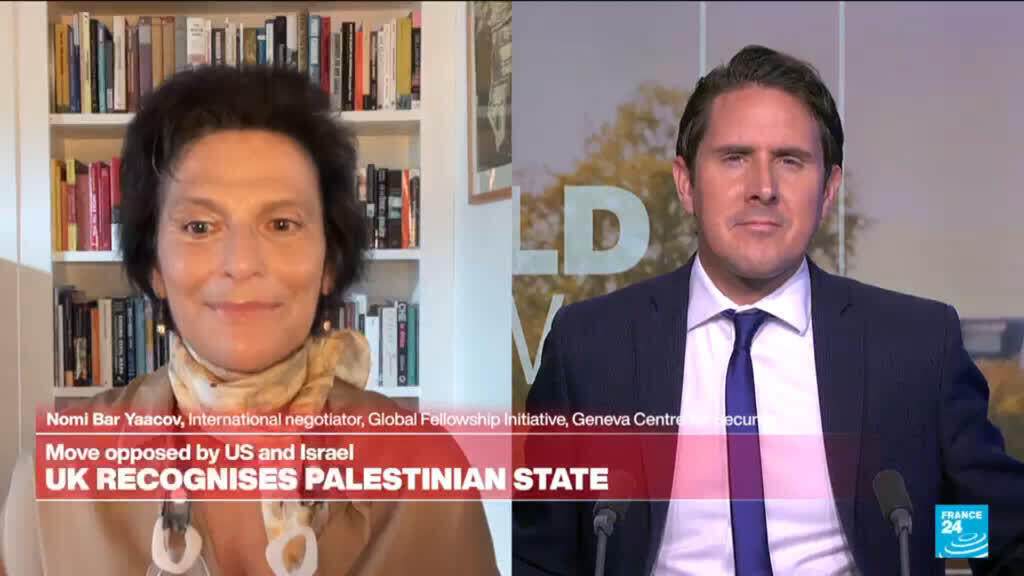
Nomi Bar Yaacov,an international negotiator at the Global Fellowship Initiative at the Geneva Centre for Security,offered insight into the potential consequences. “This recognition,” she stated, “will undoubtedly complicate the already fragile peace process. However, it also presents an opportunity to reframe the conversation and focus on concrete steps towards a viable two-state solution.” Yaacov emphasized the importance of continued dialog and mediation to prevent further escalation.
| Country | Recognition Status (as of Sept 22, 2025) | Key Considerations |
|---|---|---|
| United Kingdom | Recognized | Driven by public opinion and Labour Party pressure. |
| Canada | Recognized | aligned with a broader trend towards supporting Palestinian statehood. |
| australia | Recognized | Reflects a reassessment of its Middle East policy. |
| Israel | Does Not Recognize | Maintains that recognition undermines peace efforts. |
| United States | Does Not Recognize | Historically a strong ally of Israel, maintaining a cautious approach. |
### The Path Forward: Challenges and Opportunities
The recognition of Palestine by the UK, Canada, and Australia doesn’t magically resolve the decades-