
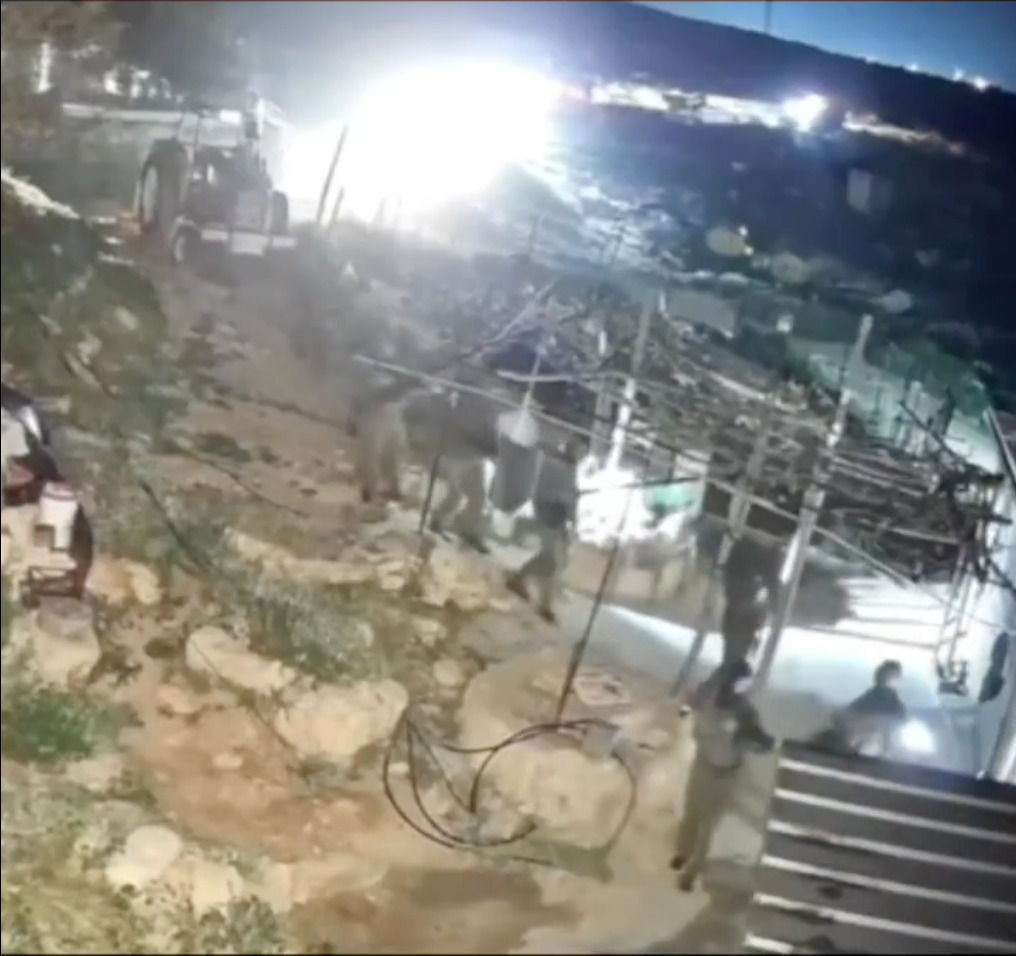
Tensions in the West Bank have escalated following a fatal incident where a Palestinian killed by Israeli fire sparked fresh concerns over the stability of the region. The Israeli Defense Forces (IDF) reported that a soldier on vacation opened fire near Tayasir, resulting in the death of a Palestinian individual. According to military officials, the soldier acted after the individual allegedly threw rocks at Israeli citizens.
The shooting occurred against a backdrop of intensifying friction between local Palestinians and Israeli settlers. Reports indicate that the incident took place in an area where Palestinians were clashing with settlers over the establishment of a new wildcat outpost—unauthorized settlement constructions that frequently serve as flashpoints for violence in the territory.
This specific fatality is part of a broader, volatile pattern of violence across the West Bank. Recent reports highlight a surge in casualties, including an incident where three Palestinians, including a teenager, were killed by the IDF in the West Bank.
Settler Violence and the Targeting of Media Personnel
The instability in the region is further compounded by renewed attacks attributed to Israeli settlers. In one specific instance, settlers launched attacks on a West Bank village, an area that had previously seen significant friction involving military personnel and international media. This particular village gained attention after Israeli soldiers detained and assaulted a crew from CNN.

The targeting of journalists and the escalation of settler-led incursions into Palestinian villages have drawn international scrutiny, raising questions about the level of control the Israeli military exercises over civilian settlers in the territory. These attacks often coincide with disputes over land and the expansion of outposts, which are viewed by the international community as obstacles to a peaceful resolution.
The assault on the CNN crew is particularly noteworthy as it highlights the risks faced by foreign correspondents operating in the West Bank. According to reports, Israeli settlers renewed attacks on the village where the media crew had been detained and assaulted by soldiers.
IDF Institutional Response and Battalion Suspensions
In response to the misconduct involving the CNN crew, the Israeli military has taken disciplinary action. The IDF has suspended a reserve battalion whose soldiers were responsible for the detention and assault of the journalists. This move suggests an internal effort to address breaches of protocol and the treatment of non-combatants, including members of the press.
The suspension of the battalion, as detailed by Israel Security reports via Haaretz, marks a rare public acknowledgement of military misconduct regarding the detention of international media personnel.
Understanding the Impact of Wildcat Outposts
The term “wildcat outpost” refers to Israeli settlements established without official government authorization. These outposts often lead to direct confrontations between settlers and local Palestinian residents, as they are typically built on contested land. When the IDF is called to intervene—or when soldiers acting individually, such as the soldier on vacation in the Tayasir incident, become involved—the risk of lethal escalation increases significantly.
For the residents of the West Bank, these developments represent a cycle of precariousness where land disputes quickly evolve into violent clashes. The presence of armed soldiers, whether on duty or on leave, adds a layer of volatility to these encounters, often resulting in casualties among the Palestinian population.
The current situation remains fluid, with the international community monitoring the IDF’s internal investigations into the suspended reserve battalion and the ongoing security situation near Tayasir. Further updates on the legal status of the soldier involved in the Tayasir shooting are expected as military inquiries proceed.
We encourage readers to share this report and join the conversation in the comments section regarding the impact of settler violence on international journalism and regional stability.