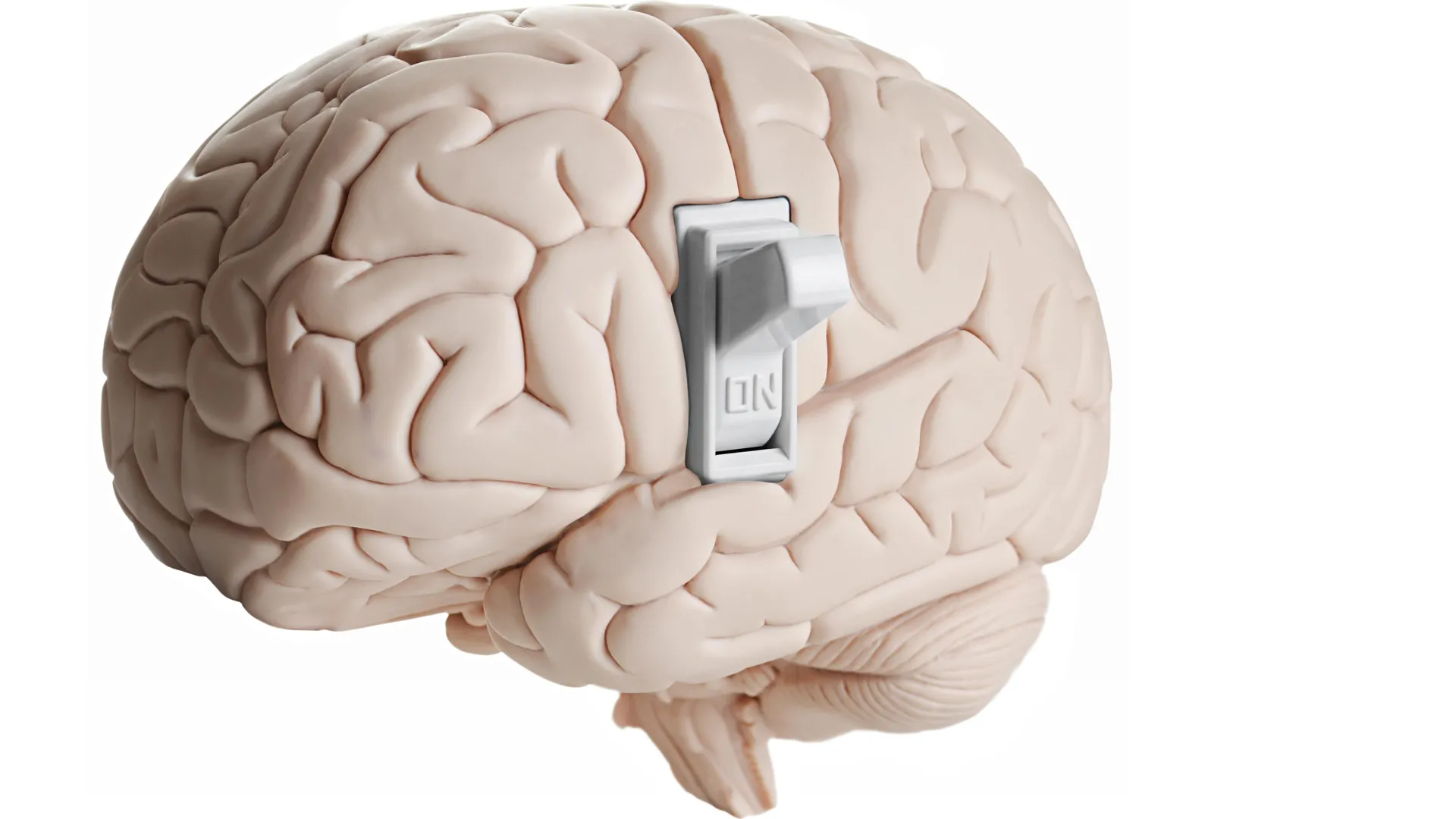
For decades, the scientific consensus on how we experience fullness was relatively straightforward: it was a matter of neurons. We believed that the brain’s primary signaling cells acted as the sole conductors of the appetite orchestra, receiving signals from the body and telling us when to put down the fork. Although, a groundbreaking discovery is now shifting that paradigm, revealing a hidden brain switch that tells you to stop eating that involves cells previously dismissed as mere “support staff.”
New research published on April 6, 2026, in the Proceedings of the National Academy of Sciences indicates that the brain relies on a far more complex cellular network than once thought. The study identifies astrocytes—non-neuronal glial cells—as active participants in the regulation of appetite, acting as a critical link in the signaling chain that triggers the sensation of satiety.
This discovery, led by researchers from the University of Concepción in Chile and colleagues at the University of Maryland, uncovers a specific signaling pathway within the hypothalamus, the region of the brain dedicated to maintaining metabolic homeostasis and controlling hunger.
Beyond Neurons: The Unexpected Role of Astrocytes
In the traditional view of neuroscience, neurons were the stars of the display, responsible for transmitting electrical impulses, while astrocytes were seen as the “glue” that held everything together. Astrocytes were thought to provide structural support and maintain the chemical environment for neurons, but they were not believed to be primary decision-makers in appetite control.
The new findings challenge this hierarchy. The research demonstrates that astrocytes are not passive observers but are essential for activating the “fullness” neurons. Without the intervention of these glial cells, the signal to stop eating may not be effectively transmitted, regardless of how much food has been consumed.
“People tend to immediately think of neurons when they think about how the brain works,” said Ricardo Araneda, a professor in the University of Maryland’s Department of Biology and a corresponding author of the study, according to ScienceDaily.
The “Stop Eating” Pathway: How It Works
The process of feeling full is not a single “on” switch but rather a relay race involving different cell types in the hypothalamus. The researchers identified a specific sequence of events that occurs after a meal:
- Glucose Trigger: As you eat, glucose levels rise, which triggers specialized cells called tanycytes.
- The Relay: These tanycytes then send signals to the astrocytes.
- The Activation: The astrocytes, in turn, activate the specific neurons responsible for signaling fullness to the rest of the body.
This multi-step pathway ensures that the brain receives a precise signal based on the nutrient content of the meal, allowing the body to regulate energy intake with high accuracy.
Potential Breakthroughs for Obesity and Eating Disorders
The identification of this hidden brain switch opens new doors for medical innovation. Because obesity and various eating disorders often involve a dysfunction in how the brain perceives satiety, targeting the astrocyte-tanycyte pathway could provide a more effective route for treatment than targeting neurons alone.

By understanding how to modulate these astrocytes or the signals they receive from tanycytes, scientists may be able to develop therapies that “reset” or enhance the fullness signal in individuals who do not naturally feel satiated. This could lead to a new class of metabolic treatments that work in harmony with the brain’s existing glial architecture.
Key Scientific Context
| Feature | Details |
|---|---|
| Primary Brain Region | Hypothalamus |
| Key Cell Types Involved | Tanycytes, Astrocytes, and Fullness Neurons |
| Triggering Agent | Glucose |
| Publication Date | April 6, 2026 |
| Research Models | Animal models (applicable to all mammals) |
From Animal Models to Human Health
While the study was conducted using animal models, the researchers emphasize that the biological machinery involved—specifically tanycytes and astrocytes—is present in all mammals, including humans. This conservation of cell types across species suggests that the mechanism is a fundamental part of mammalian biology.
Previous research has also highlighted the importance of these cells; for instance, research published in the Journal of Biomedical Research noted that leptin receptors, which are crucial for energy homeostasis, are highly expressed in astrocytes and tanycytes PMC9548436. The 2026 study builds upon this by mapping the exact signaling flow from glucose to the final neuronal response.
As the medical community continues to explore the “non-neuronal” side of brain function, it becomes increasingly clear that the brain’s ability to regulate the body is a collaborative effort between different cell types. The discovery of this brain switch that tells you to stop eating is a significant step toward a more holistic understanding of metabolic health.
The scientific community now looks toward further validation in human subjects to determine if these pathways can be safely targeted with pharmacological interventions. While clinical applications may take time, the shift in understanding from “neuron-centric” to “network-centric” appetite control marks a pivotal moment in neuroscience.
We will continue to monitor updates from the University of Maryland and the University of Concepción as they move toward the next phase of this research. We invite our readers to share their thoughts on these developments in the comments below.