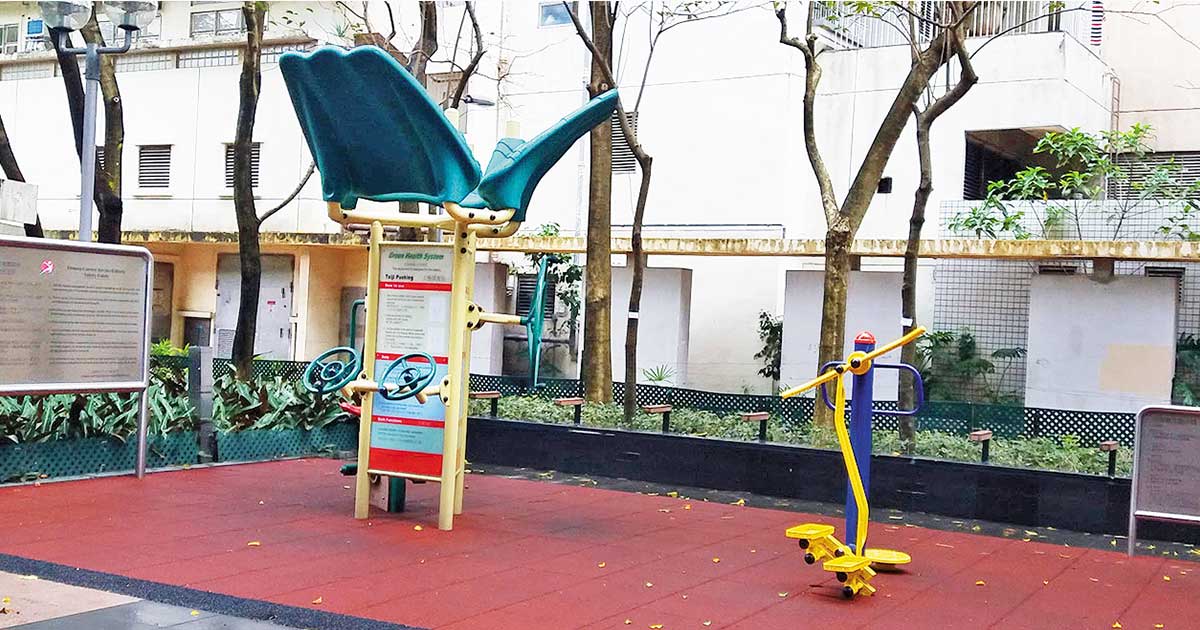
The Leisure and Cultural Services Department (LCSD) has deployed more than 400 senior fitness stations across Hong Kong to combat age-related muscle loss and reduce the risk of falls among the elderly. These specialized exercise areas provide accessible, low-impact equipment designed to improve balance, flexibility, and strength for a population facing an aging demographic trend.
According to the Leisure and Cultural Services Department, these fitness stations are strategically distributed in public parks and open spaces to encourage regular physical activity. The initiative targets sarcopenia—the gradual loss of skeletal muscle mass—which health authorities identify as a primary contributor to instability and accidental injuries in older adults.
Medical data indicates that fall-related injuries are a leading cause of hospitalization and loss of independence for seniors. By integrating strength-training equipment into community spaces, the government aims to lower the threshold for elderly citizens to engage in preventative health behaviors without requiring expensive gym memberships or specialized facilities.
Design and Distribution of Senior Fitness Stations
The LCSD has installed over 400 sets of equipment specifically engineered for the physiological needs of older users. Unlike standard outdoor gym equipment, these stations focus on joint mobility and light resistance to prevent strain while promoting cardiovascular health and muscle tone.
These stations are located in high-density residential areas and public parks to ensure that the majority of the elderly population can access them within a short walking distance. The equipment typically includes air walkers, waist twisters, and arm stretchers, which target the core and limb stability necessary for maintaining a steady gait.
The deployment is part of a broader urban planning strategy to create “age-friendly” environments. By placing these facilities in open-air settings, the government also addresses the psychological need for social interaction, as these stations often serve as informal gathering points for senior citizens.
Preventing Fall Injuries Through Strength Training
Falls in the elderly are rarely isolated incidents but are often the result of declining muscle strength and impaired proprioception. The World Health Organization notes that muscle-strengthening activities combined with balance exercises are the most effective ways to reduce the risk of falls.
The senior fitness stations address these risks by focusing on three critical areas:
- Lower Body Stability: Equipment that mimics walking or stepping helps maintain the strength of the quadriceps and calves.
- Core Balance: Rotational equipment helps seniors maintain the trunk stability required to recover balance after a trip or slip.
- Joint Flexibility: Stretching stations reduce stiffness in the shoulders and hips, allowing for a more natural range of motion during daily activities.
Regular use of these facilities helps mitigate the impact of sarcopenia. When muscle mass decreases, the body loses its primary shock absorber, making falls more likely to result in fractures, particularly of the hip, which can lead to prolonged immobility and secondary complications.
Public Health Impact and Community Integration
The proliferation of these fitness zones reflects Hong Kong’s response to a rapidly aging society. According to the Census and Statistics Department, the proportion of the population aged 65 and above has been steadily increasing, placing higher demands on the public healthcare system.
Preventative exercise at the community level reduces the burden on acute care facilities by lowering the incidence of emergency room visits related to falls. The LCSD’s approach shifts the focus from reactive medical treatment to proactive health maintenance.
To maximize the utility of these stations, the government encourages users to follow the instructional signage posted at each site. These guides provide basic directions on how to use the machines safely and suggest the appropriate frequency of exercise to avoid overexertion.
For residents seeking specific locations of these stations, the LCSD provides updated maps and lists of public facilities through its official website and mobile applications, ensuring that the 400+ installations remain visible and accessible to the public.
The next phase of public health monitoring will involve assessing the usage rates of these stations and their correlation with a decrease in fall-related admissions at public hospitals. Further updates on the expansion of these facilities are expected during the next annual budget and planning review for public leisure services.
Do you have a senior fitness station in your neighborhood? Share your experience or suggest improvements in the comments below.
Worth a look
- Dreams and Sleep Disorders: Understanding the Connection and How to Keep a Dream Journal
- The Best Food Plans for Weight Loss and Strength Gains
- Havenwood Heritage Heights Concord NH: Fitness Centers, Outdoor Activities, and Health Services for Seniors (news-usa.today)
- WhatsApp Web Introduces Browser Audio and Video Calling (archyworldys.com)