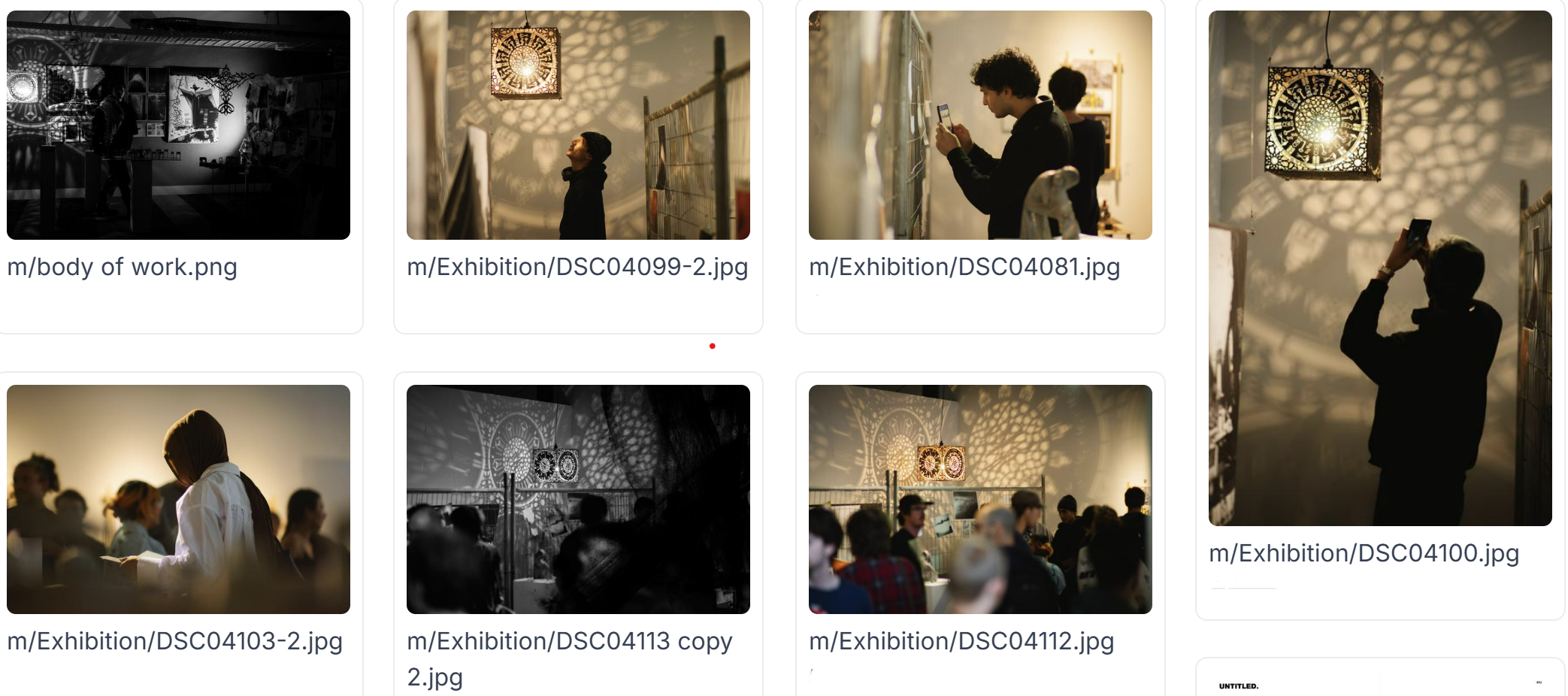
rebuilding Gaza: Architecture as Palestinian Resistance and a Vision for the Future
The recent PalCast episode, The Palestinian Phoenix, featuring Palestinian-Filipino artist and architect Ali Al omari, offers a powerful and timely exploration of how architecture can be a potent form of resistance and a catalyst for rebuilding Gaza. This isn’t simply about constructing shelters; it’s about reclaiming identity, preserving memory, and fostering hope in the face of ongoing devastation.But how can design transcend mere functionality to become a symbol of resilience? And what role does the international community play in ensuring a dignified future for Gaza?
Al Omari, a graduate of Victoria University of Wellington with a Master’s degree focused on Palestinian art, sumud (steadfastness), and resistance through architecture, presents a compelling vision. His work challenges conventional post-war reconstruction models, moving beyond basic survival needs to envision a Gaza rebuilt with dignity, creativity, and self-determination. This approach is particularly crucial given the context; a 2023 report by the UNRWA estimates that over 60% of Gaza’s infrastructure has been damaged or destroyed in recent conflicts, highlighting the immense scale of the rebuilding challenge.
Pro Tip: When considering reconstruction, prioritize locally sourced materials and traditional building techniques. This not only supports the local economy but also preserves cultural heritage and reduces environmental impact.
Al Omari’s master’s thesis delves into speculative design within a post-war Palestinian context. He deliberately rejects designs solely focused on immediate needs, instead proposing a future where Gaza’s architecture actively shapes identity and memory.This is a critical point. Architecture isn’t neutral; it communicates values, tells stories, and defines spaces. By framing architecture as a space for identity and hope, Al Omari challenges the narrative of victimhood and asserts the right to a vibrant, self-defined future.
The Global Responsibility & Communicating Palestinian Identity
The conversation on PalCast also addressed the crucial issue of international responsibility.Al Omari draws parallels with post-World War II reconstruction efforts, emphasizing that rebuilding Gaza requires a sustained, coordinated global effort.this isn’t simply about financial aid; it’s about acknowledging a collective moral obligation to help rebuild a society systematically dismantled by conflict.
Furthermore, al Omari highlights the power of visual art and architecture to communicate Palestinian identity beyond linguistic barriers. Through symbols, patterns, and storytelling embedded in design, a powerful message can be conveyed. He stresses the importance of distinguishing Palestinian identity from a generalized “Arab” label, preserving a unique cultural heritage through thoughtful design choices. This resonates with recent scholarship on cultural preservation in conflict zones, such as the work of Dr. Chiara de Cesari at the University of Bologna, who emphasizes the role of cultural heritage in fostering social cohesion and resistance. https://www.unibo.it/en/people/chiara-de-cesari
Pro Tip: Consider the psychological impact of design.Incorporate elements that promote healing, tranquility, and a sense of community. Biophilic design – integrating nature into the built environment - can be particularly effective.
The discussion also touched upon the importance of rebuilding Gaza with nature, beauty, and livability in mind.Al omari envisions cities designed for genuine living, incorporating green spaces, gardens, and public areas that foster healing and community life. This aligns with the growing global movement towards sustainable urban planning and the recognition of the vital role of green infrastructure in enhancing quality of life.
Secondary Keywords: Gaza reconstruction, Palestinian art, architectural resilience, post-conflict design, urban planning Gaza.
LSI Keywords: infrastructure damage,cultural heritage,displacement,humanitarian aid,political context.
Pro Tip: Don’t underestimate the power of “absence” in design. Creating spaces for remembrance and reflection can be as vital as building new structures.
You can listen to the full episode of The Palestinian Phoenix on Apple Podcasts and


![Monday News: Latest Updates & Headlines – [Date]](https://assets.thelocal.com/cdn-cgi/rs:fit:1200/quality:75/plain/https://apiwp.thelocal.com/wp-content/uploads/2025/12/watermarks-logo-shawn-7q2pLPaDEFU-unsplash.jpeg@webp "Monday News: Latest Updates & Headlines – [Date]")