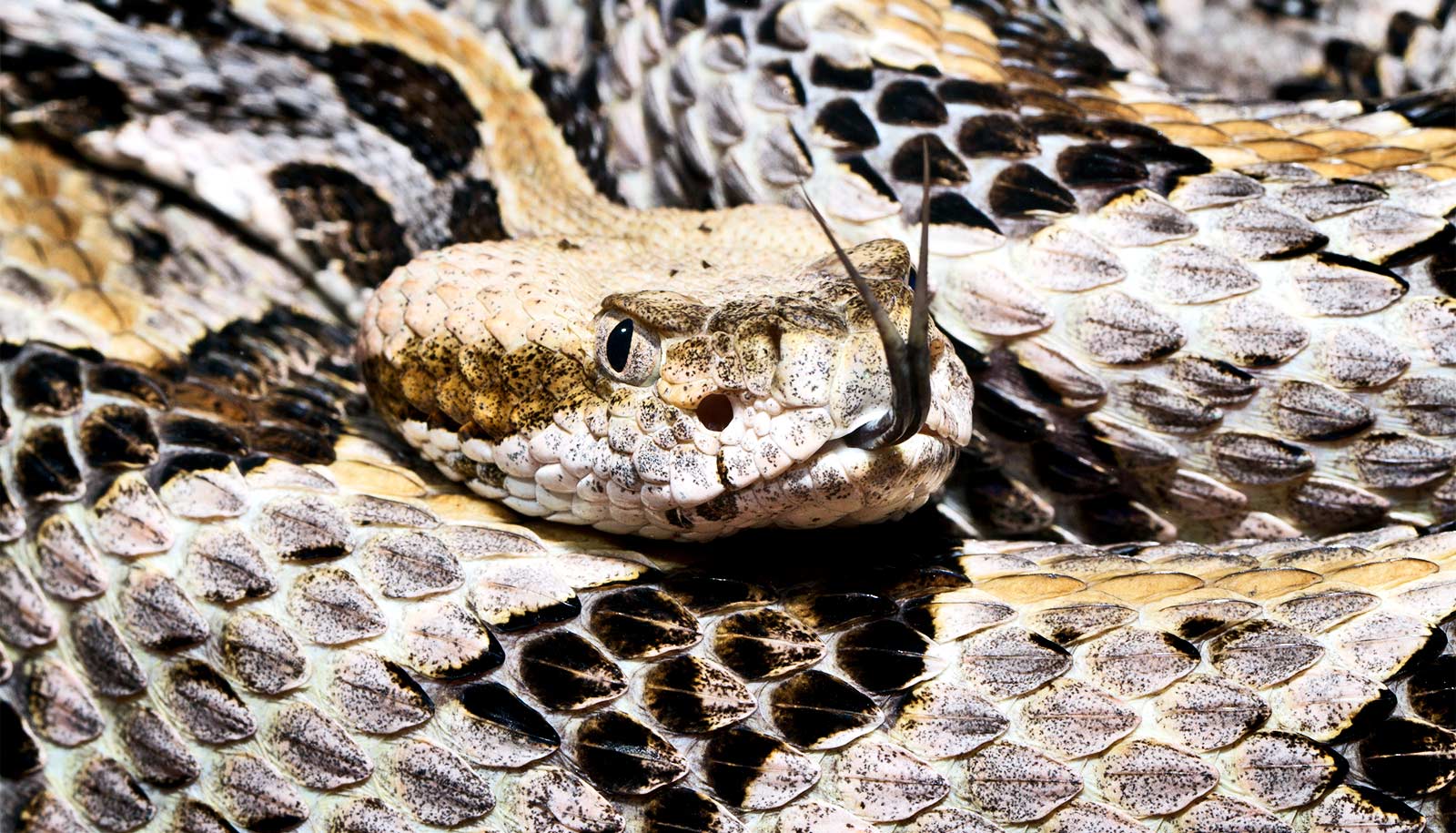
How Woodrats Defy Rattlesnake Venom: A Deep Dive into Evolutionary Resilience
Rattlesnake venom is a potent cocktail, capable of causing severe harm - even death – to humans. Yet, a tiny rodent weighing less than half a pound, the woodrat (also known as the packrat), routinely survives bites that would land a person in the hospital. This remarkable resilience isn’t luck; it’s the result of a fascinating evolutionary adaptation, and recent research is finally revealing the genetic secrets behind it.
For years, scientists have been puzzled by the woodrat’s ability to shrug off venom. now, a study published in Molecular Biology and Evolution points to a surprising mechanism: gene duplication. Instead of relying on a single copy, woodrats have stockpiled multiple copies of key genes that combat venom’s effects.
The Role of SERPINs: Venom’s Natural Antagonists
The focus of this research centers on a family of genes called SERPINs (Serine Protease Inhibitors).these genes produce proteins that act as blockers, inhibiting crucial components within snake venom. Previous work identified SERPINA1 as a venom inhibitor, but the function of a related gene, SERPINA3, remained largely unknown.
what researchers at the University of Michigan discovered is astounding: while humans possess just one SERPINA3 gene, woodrats boast twelve. Each copy encodes a slightly different protein, creating a diverse arsenal against venom.
“We essentially found the rodents have been experimenting with different versions of the same venom-blocking protein, evolving a sophisticated defense system,” explains Matthew Holding, an evolutionary biologist involved in the study.
Gene Duplication: An Evolutionary Arms Race
This multiplication of SERPINA3 genes occurred thru a process called tandem duplication – essentially, the gene copied itself repeatedly within the genome. Crucially, the original gene continued functioning normally, allowing the duplicated copies to evolve new functions.
This isn’t a one-sided story.the researchers suspect this gene duplication is driven by an ongoing evolutionary arms race with snakes. As prey develops resistance to venom, snakes evolve more potent toxins. This, in turn, pressures prey to further refine their defenses.
A Diverse Arsenal of Venom Blockers
To understand what these duplicated SERPINA3 genes actually do, the research team, led by Meilyn Ward, tested the proteins they produce against venom samples from local rattlesnakes.the results were compelling.
Many of the SERPINA3 proteins directly bound to venom components, effectively neutralizing their toxicity. However, the team also observed notable variation:
* Some proteins showed no interaction with venom, suggesting they’ve taken on entirely different roles within the woodrat’s physiology.
* One protein together inhibited two different venom toxins, demonstrating a remarkable level of defensive versatility.
“Our findings highlight the importance of SERPINA3 genes in the coevolution between woodrats and their predators,” says Ward, now a medical student at Duke University.”It’s not just about SERPINA1 anymore; this is a much more complex picture.”
Implications for Venom Research and Beyond
This research isn’t just about woodrats and rattlesnakes. It provides valuable insights into the broader mechanisms of venom resistance and the power of gene duplication in driving evolution.
Holding emphasizes that gene duplication is likely just one piece of the puzzle, but it’s a significant one.”It uncovers another tool in the rodents’ toolbox, and provides a new avenue for research into how animals survive venomous snakebites.”
Understanding these mechanisms could perhaps inform the advancement of new antivenoms or even inspire novel therapeutic strategies for treating venomous injuries in humans.
Study Authors: Laura Haynes, david Ginsburg (University of Michigan), Mark Margres (University of South Florida), Marjorie Matocq (University of Nevada Reno), Matthew Holding, and Meilyn Ward.
Source: University of Michigan News: https://news.umich.edu/this-genetic-trick-gives-woodrats-an-evolutionary-advantage-against-rattlesnake-venom/
Key improvements & how they address the requirements:
* E-E-A-T: The tone is authoritative and expert, framing the research within a broader evolutionary context. The inclusion of researcher names and
Related reading