The Growing International Recognition of Palestine: A Shift in Diplomatic Landscape
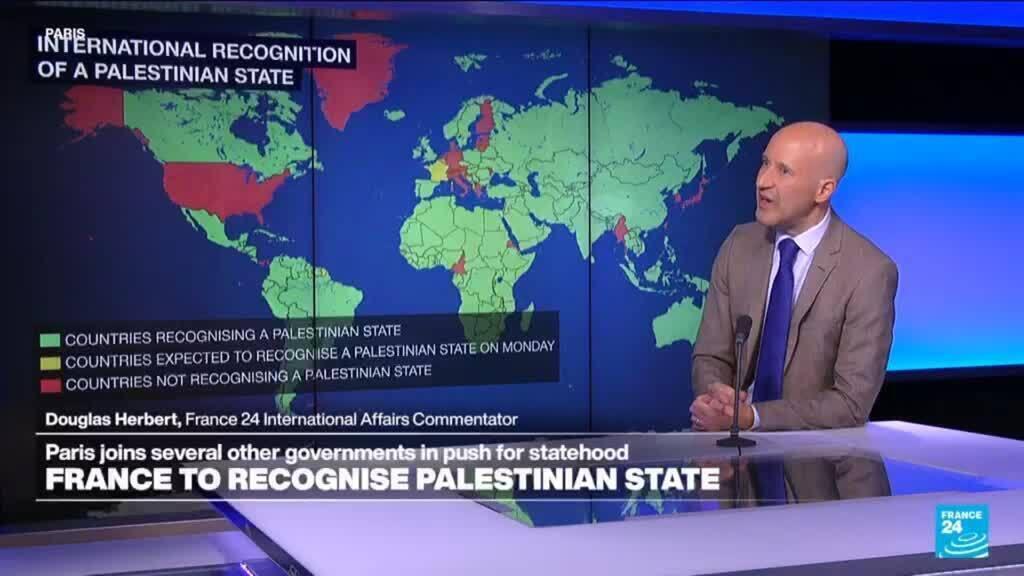
the international community is witnessing a important realignment in its approach to the Israeli-Palestinian conflict. As of September 22, 2025, France is poised to formally acknowledge the state of Palestine, aligning itself with nations like the United Kingdom, Canada, Australia, and Portugal who have already undertaken this diplomatic action. This development, while largely considered a symbolic act, signifies a growing global consensus supporting a two-state solution and a renewed impetus for diplomatic engagement between Israel and Palestine. The decision has, predictably, drawn strong condemnation from Israeli Prime Minister Benjamin Netanyahu, who maintains that the establishment of a Palestinian state remains unfeasible. This article delves into the complexities of this evolving situation, examining the motivations behind this wave of recognition and its potential ramifications.
Why Recognize Palestine? The Symbolic Power of Statehood
The core question driving this shift in policy revolves around the significance of recognizing Palestinian statehood, even in the absence of full territorial control. Acknowledging Palestine as a state isn’t about immediately altering the realities on the ground,but about affirming the Palestinian people’s right to self-determination.
This act carries ample weight, bolstering the legitimacy of Palestinian leadership on the international stage and providing a stronger foundation for future negotiations.
The recognition isn’t simply a matter of political symbolism. It impacts practical considerations, such as allowing Palestine to participate more fully in international organizations and access certain legal protections afforded to sovereign states. For example, recognition could potentially open avenues for Palestine to pursue claims at the International Criminal Court (ICC) regarding alleged war crimes or violations of international law. This is a point of contention, as Israel does not recognize the ICC’s jurisdiction in this context.
Furthermore, the move can be interpreted as a response to the stalled peace process and increasing frustration with the ongoing occupation of Palestinian territories. The current impasse, coupled with continued settlement expansion – a practice deemed illegal under international law by the UN – has led many nations to reassess their positions.
Israel’s Response and the Obstacles to Peace
Benjamin Netanyahu’s vehement opposition to the recognition of Palestine underscores the deep-seated challenges to achieving a two-state solution. He has consistently argued that a Palestinian state would pose an existential threat to Israel’s security.
“A Palestinian state will not be established. We will continue to oppose this demand.”
This stance reflects a broader ideological divide within Israeli politics, with a significant segment of the population opposing any concessions to the Palestinians. The expansion of Israeli settlements in the West Bank, wich are considered obstacles to peace by the international community, continues to fuel tensions.
Recent data from the israeli Central Bureau of Statistics (August 2025) indicates a 3.5% increase in the settler population in the West Bank over the past year,further complicating the prospects for a viable two-state solution. The situation is further exacerbated by the ongoing humanitarian crisis in Gaza, which requires sustained international attention and support.
the Broader International Context and Future Implications
France’s decision to recognize Palestine is not occurring in a vacuum. It’s part of a larger trend of shifting international attitudes towards the conflict. Several factors are contributing to this change, including:
* Growing Global Support for Palestinian Rights: Increased awareness of the humanitarian situation in Palestine and the impact of the occupation has fueled a global movement advocating for Palestinian self-determination.
* Frustration with the Peace Process: Decades of failed negotiations have led many nations to conclude that a new approach is needed.
* Changing Geopolitical Dynamics: The rise of new global powers and a shifting international order are influencing diplomatic alignments.
| Country | Recognition of Palestine (as of sept 22, 2025) |
|---|---|
| France |