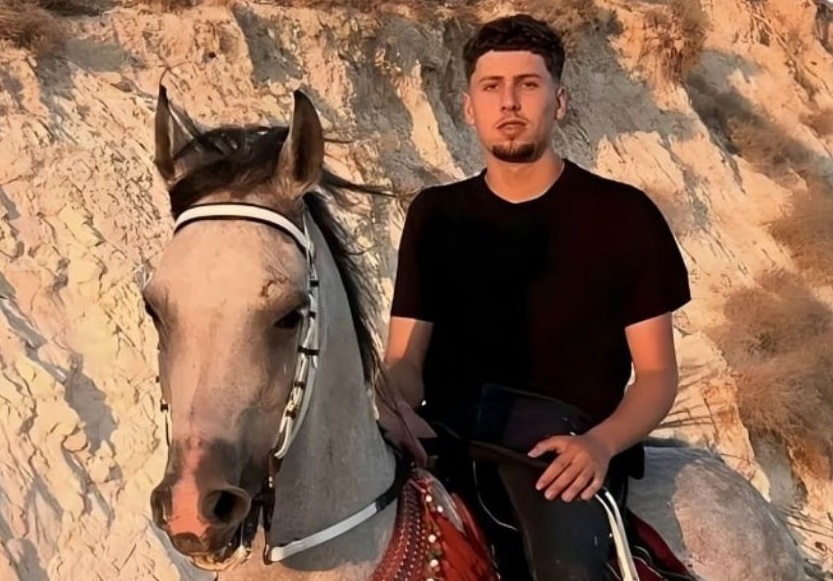
Mikhmas, West Bank – A 19-year-old Palestinian man, Nasrallah Muhammad Jamal Abu Siam, has died from injuries sustained during an attack by Israeli settlers in the village of Mikhmas, northeast of Jerusalem, on Wednesday. The incident marks a tragic escalation of violence in the West Bank and has sparked renewed concerns about the safety of Palestinian communities. This incident underscores the volatile security situation and the ongoing tensions between Israeli settlers and Palestinian residents.
According to the Palestinian Health Ministry, Abu Siam succumbed to his wounds late Wednesday evening. The attack, which occurred earlier in the day, involved settlers opening fire on residents who attempted to confront them. Five Palestinians were injured in the assault, with three sustaining gunshot wounds. The escalating violence comes amidst a broader context of increased settler activity and clashes in the region, raising fears of further bloodshed. The situation in Mikhmas highlights the precarious existence faced by many Palestinians living near Israeli settlements.
The events in Mikhmas are not isolated. Recent months have witnessed a surge in attacks by settlers against Palestinian villages and towns across the West Bank. These attacks often involve vandalism, arson and physical assaults, creating an atmosphere of fear, and intimidation. The Commission Against the Wall and Colonies reports that Abu Siam is the first Palestinian to be killed by settlers this year, bringing the total number of Palestinians killed since October 7, 2023, to 37. This grim statistic underscores the severity of the ongoing crisis and the urgent need for intervention to protect Palestinian lives.
Details of the Attack and Subsequent Events
The initial attack unfolded as a group of settlers, reportedly accompanied by Israeli occupation forces, stormed the village of Mikhmas. Witnesses state that the settlers opened fire on Palestinian residents who attempted to intervene. In addition to the three individuals shot with live ammunition, a fourth sustained injuries after being assaulted by Israeli soldiers. The settlers as well reportedly stole dozens of sheep during the raid, adding to the economic hardship faced by the local community. The incident has been widely condemned by Palestinian officials and human rights organizations.
Following the attack, Israeli forces stormed the town of Arraba, southwest of Jenin, in the northern West Bank, shooting three Palestinian young men with live rounds. The Palestinian Red Crescent Society (PRCS) transported the injured to a hospital, where their condition was described as serious. IMEMC reports that footage of the incident in Arraba shows the intensity of the clashes and the immediate response of medical personnel. Forces detained a number of Palestinian young men in the town square, though no arrests were immediately reported.
Further south, in the Al-Fawwar refugee camp near Hebron, Israeli forces shot and wounded a Palestinian child and detained a young man during a military invasion. The army reportedly fired live ammunition, tear gas canisters, and concussion grenades near residential areas, causing widespread fear among residents. These simultaneous incidents across the West Bank demonstrate a coordinated pattern of violence and intimidation by Israeli forces and settlers.
Escalating Violence and Condemnation
The death of Nasrallah Abu Siam and the injuries sustained by others represent a significant escalation in the ongoing violence in the West Bank. Palestinian officials have accused Israeli settlers of acting with impunity, emboldened by what they describe as a lack of accountability from Israeli authorities. Mu’ayyad Sha’ban, the head of the Commission Against the Wall and Colonies, stated that the events in Mikhmas and other targeted areas constitute a “dangerous escalation of organized settler terrorism” and reflect a “total partnership between the settlers and the occupation forces.”
The international community has largely condemned the violence, calling for restraint and accountability. However, concrete action to address the root causes of the conflict and protect Palestinian civilians remains limited. Human rights organizations have repeatedly documented the increasing frequency and severity of settler attacks, highlighting the need for greater protection and justice for Palestinian communities. The lack of effective intervention has fueled a sense of desperation and frustration among Palestinians, contributing to a cycle of violence.
The Context of Settler Violence in the West Bank
Settler violence against Palestinians is a long-standing issue in the West Bank, exacerbated by the ongoing Israeli occupation and the expansion of settlements. Israeli settlements are considered illegal under international law, although Israel disputes this. The presence of settlements creates friction between settlers and Palestinian residents, often leading to clashes and attacks. Settler attacks are frequently aimed at disrupting Palestinian life, destroying property, and intimidating communities into leaving their land.
The current surge in violence is linked to a number of factors, including the ongoing war in Gaza and the heightened political tensions in the region. Some analysts believe that settlers are taking advantage of the distraction caused by the war to expand their presence and assert control over Palestinian land. Others point to a broader trend of radicalization within the settler community, fueled by extremist ideologies and a sense of entitlement. Regardless of the underlying causes, the consequences for Palestinian civilians are devastating.
The Instagram post announcing Abu Siam’s death, shared on February 18, 2026, reflects the grief and anger felt by Palestinians in response to the escalating violence. The post, which has garnered 19 likes and no comments as of today, serves as a stark reminder of the human cost of the conflict.
The Role of Israeli Forces
Critics argue that Israeli forces often fail to adequately protect Palestinians from settler attacks and, in some cases, actively participate in the violence. Reports of soldiers providing security for settlers during raids and failing to intervene to prevent attacks are common. This perceived complicity has eroded trust between Palestinians and Israeli authorities and fueled a sense of impunity among settlers. The lack of accountability for settler violence is a major obstacle to achieving a peaceful resolution to the conflict.
Whereas Israeli authorities claim to be committed to maintaining law and order in the West Bank, human rights organizations argue that their actions often fall short of this commitment. The focus on protecting settlers often comes at the expense of Palestinian safety and security. The international community has repeatedly called on Israel to investigate and prosecute settler violence, but progress has been slow. The lack of meaningful accountability perpetuates a cycle of violence and undermines the prospects for peace.
Looking Ahead
The death of Nasrallah Muhammad Jamal Abu Siam is a tragic reminder of the urgent need to address the root causes of the conflict and protect Palestinian civilians. Without a concerted effort to hold perpetrators accountable, end the occupation, and create a just and equitable future for all, the cycle of violence is likely to continue. The international community must increase pressure on Israel to respect international law and ensure the safety and security of Palestinians in the West Bank.
The situation remains highly volatile, and further escalation is possible. Palestinian officials have warned of a potential intifada (uprising) if the violence continues unabated. The coming weeks and months will be critical in determining whether the region can avoid a further descent into chaos. Continued monitoring of the situation and a commitment to peaceful resolution are essential.
The next official update regarding investigations into the attack in Mikhmas is expected from the Israeli Defense Forces (IDF) within the next two weeks. Readers are encouraged to share their thoughts and perspectives on this critical issue in the comments section below. Please also share this article with your networks to raise awareness about the ongoing violence in the West Bank.
Related reading