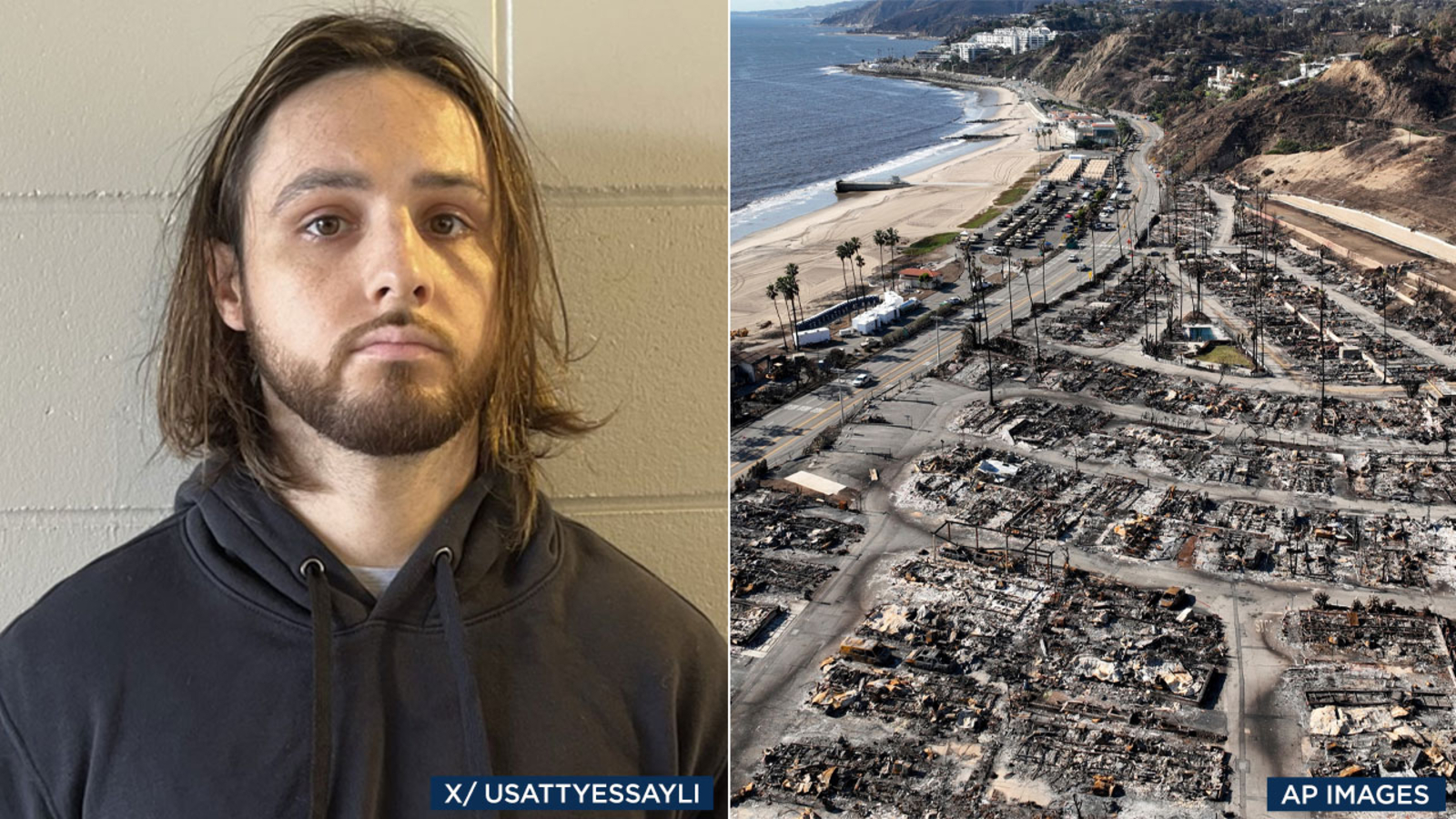
A Los Angeles County Superior Court judge declared a mistrial in the arson case of Jonathan Rinderknecht following a jury deadlock, a development that has reignited public debate regarding the impartiality of jury deliberations in high-profile criminal cases. Rinderknecht faced charges related to the 2021 Palisades Fire, an incident that scorched over 1,100 acres of terrain and forced widespread evacuations across the Pacific Palisades area. The case, which concluded without a conviction, has prompted questions about whether ideological shifts or external pressures are increasingly influencing the judicial process.
The mistrial was confirmed after jurors indicated they were unable to reach a unanimous verdict, with some members of the panel later citing a perceived lack of sufficient evidence presented by the prosecution. According to reports from the New York Times, at least one juror expressed that the state failed to meet the burden of proof required for a conviction, highlighting the difficulty in linking the defendant definitively to the start of the blaze. This outcome has left victims and local residents seeking closure in a state of uncertainty, while legal observers monitor how such results might impact future proceedings.
The Impact of the Palisades Fire Mistrial
The Palisades Fire, which began in May 2021, remained a point of significant contention for the community for years, eventually leading to the trial of Rinderknecht. While prosecutors sought to establish a clear link between the defendant and the arson charges, the defense maintained that the evidence—much of it circumstantial—was insufficient to support a guilty verdict. The resulting deadlock has drawn scrutiny toward the judicial system’s ability to handle complex environmental crime cases.

Beyond the courtroom, the case has intersected with wider allegations regarding the management of the fire response itself. Reports from FOX 11 Los Angeles indicate that a whistleblower from the Los Angeles Fire Department (LAFD) has raised concerns regarding alleged department negligence during the event. These claims suggest that administrative or operational failures may have complicated the broader narrative of the fire, further clouding the legal proceedings and fueling public skepticism.
Jury Deliberations and Judicial Integrity
The deadlock in the Rinderknecht trial has sparked a conversation about whether modern juries are becoming more susceptible to outside ideological influences. Critics of the current judicial climate argue that the traditional role of a juror—to weigh only the evidence presented within the courtroom—is being challenged by broader social and political pressures. This concern has led to speculation about whether future trials, including those involving other high-profile defendants, could face similar hurdles.
Legal experts note that while hung juries are a standard feature of the American legal system, the frequency of such outcomes in cases involving significant public interest can indicate a breakdown in the consensus-building process. The ABC7 Los Angeles coverage of the verdict confirms that the court officially discharged the jury after they signaled they could not move past their divided state. Without a unanimous decision, the prosecution now faces the decision of whether to retry the case or dismiss the charges entirely.
Procedural Uncertainty and Next Steps
The immediate consequence of the mistrial is a return to a pre-trial status for the defendant. The prosecution has not yet announced a formal schedule for a retrial, leaving the case in a state of legal limbo. For the residents of the Pacific Palisades, the lack of a definitive verdict represents a delay in the pursuit of accountability for the destruction caused by the 2021 fire.
As the legal community watches for the next filing from the Los Angeles County District Attorney’s office, the focus remains on whether the evidentiary gaps identified by the jury can be addressed. The court is expected to hold a status hearing in the coming weeks to determine the path forward for the prosecution. Residents and observers are encouraged to monitor the Los Angeles County Superior Court official case portal for updates on scheduled appearances and potential trial dates.
The outcome of this case serves as a reminder of the volatility inherent in the jury system when evidence is contested and public interest is high. Whether this mistrial signals a trend in how juries interpret complex arson evidence or remains an isolated incident will likely be a subject of analysis for legal scholars and local officials in the months ahead.
Keep reading
- D66 Party Office Bombing: Suspect Held Over Terror-Intent Explosion in The Hague
- Oil Prices Drop as Brent Falls Below $88; Italy Fuel Prices Near €2/L
- Lindsay Clancy Trial: What to Know About the Accused Mother’s Case (archyworldys.com)
- Mafia Concerns in Partinico: Return of Leonardo Vitale Sparks Fear of Past Violence (archynewsy.com)