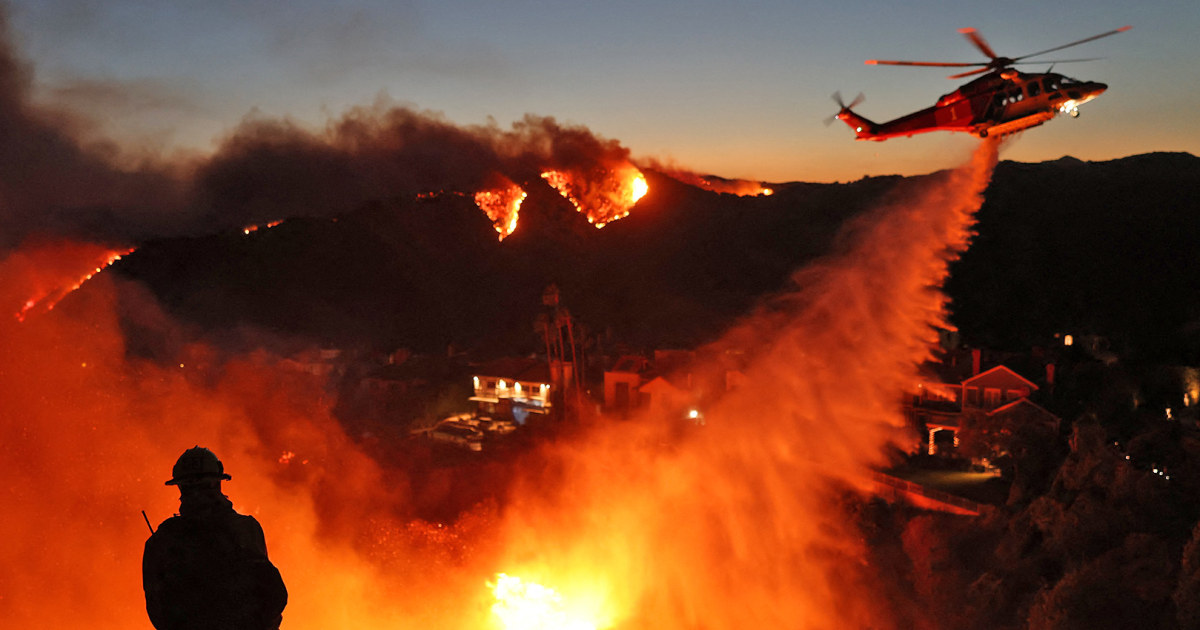
Federal prosecutors began their case against Ramon Rodriguez Diaz in a Los Angeles courtroom this week, alleging the defendant intentionally ignited the 2021 Palisades Fire as an act of retribution against society. The trial, which opened in the U.S. District Court for the Central District of California, centers on the government’s claim that Diaz sought to vent his personal frustrations by sparking a blaze that ultimately scorched over 1,100 acres of protected land in the Pacific Palisades area.
The Palisades Fire, which began on May 14, 2021, drew a massive response from local and federal agencies, including the Los Angeles Fire Department and the U.S. Forest Service. According to the United States Attorney’s Office for the Central District of California, Diaz is charged with multiple counts related to the arson, including setting fire to timber and undergrowth on federal land. If convicted, the defendant faces a maximum statutory penalty of 20 years in federal prison.
The Prosecution’s Opening Argument
During opening statements, Assistant United States Attorney Kathrynne Seiden told jurors that the defendant’s actions were driven by a desire to lash out after experiencing personal disappointment regarding his New Year’s Eve plans. Prosecutors argue that Diaz, who was residing in the area at the time, viewed the wealthy residents of the Pacific Palisades as a target for his grievances. The government intends to present evidence suggesting that the fire was not an accident, but a calculated effort to cause destruction in a high-profile, affluent neighborhood.
The federal indictment alleges that Diaz utilized an incendiary device to initiate the fire in the steep, rugged terrain of the Santa Monica Mountains. The prosecution plans to rely on witness testimony and forensic evidence collected by investigators from the Bureau of Alcohol, Tobacco, Firearms and Explosives (ATF) to establish the timeline of the blaze. Officials have emphasized the severity of the fire, noting that it required the evacuation of hundreds of residents and threatened numerous homes during a period of high fire danger in Southern California.
Defense and Legal Context
Attorneys representing Diaz have signaled a defense strategy that focuses on the lack of direct eyewitnesses to the ignition of the blaze. During the initial phases of the trial, the defense has questioned the reliability of the circumstantial evidence presented by federal investigators. Legal analysts note that arson cases in wildland environments are notoriously difficult to prosecute due to the challenges of forensic preservation in areas affected by rapid fire spread and suppression efforts.
The trial is taking place under the jurisdiction of the U.S. District Court for the Central District of California, where cases involving federal land are adjudicated. This legal proceeding is a significant test for federal prosecutors, who must prove beyond a reasonable doubt that Diaz was not only responsible for the ignition but also acted with the specific intent to cause damage. The proceedings are expected to continue over the coming weeks as both sides present expert testimony regarding fire origin and cause.
Impact on the Pacific Palisades Community
The 2021 incident remains a point of concern for residents of the Pacific Palisades, an area known for its proximity to dense, fire-prone brush. During the height of the fire, the city of Los Angeles deployed significant air and ground assets to prevent the flames from reaching residential structures. According to data provided by the Los Angeles Fire Department, the incident served as a stark reminder of the vulnerability of the wildland-urban interface, where housing developments meet undeveloped natural terrain.
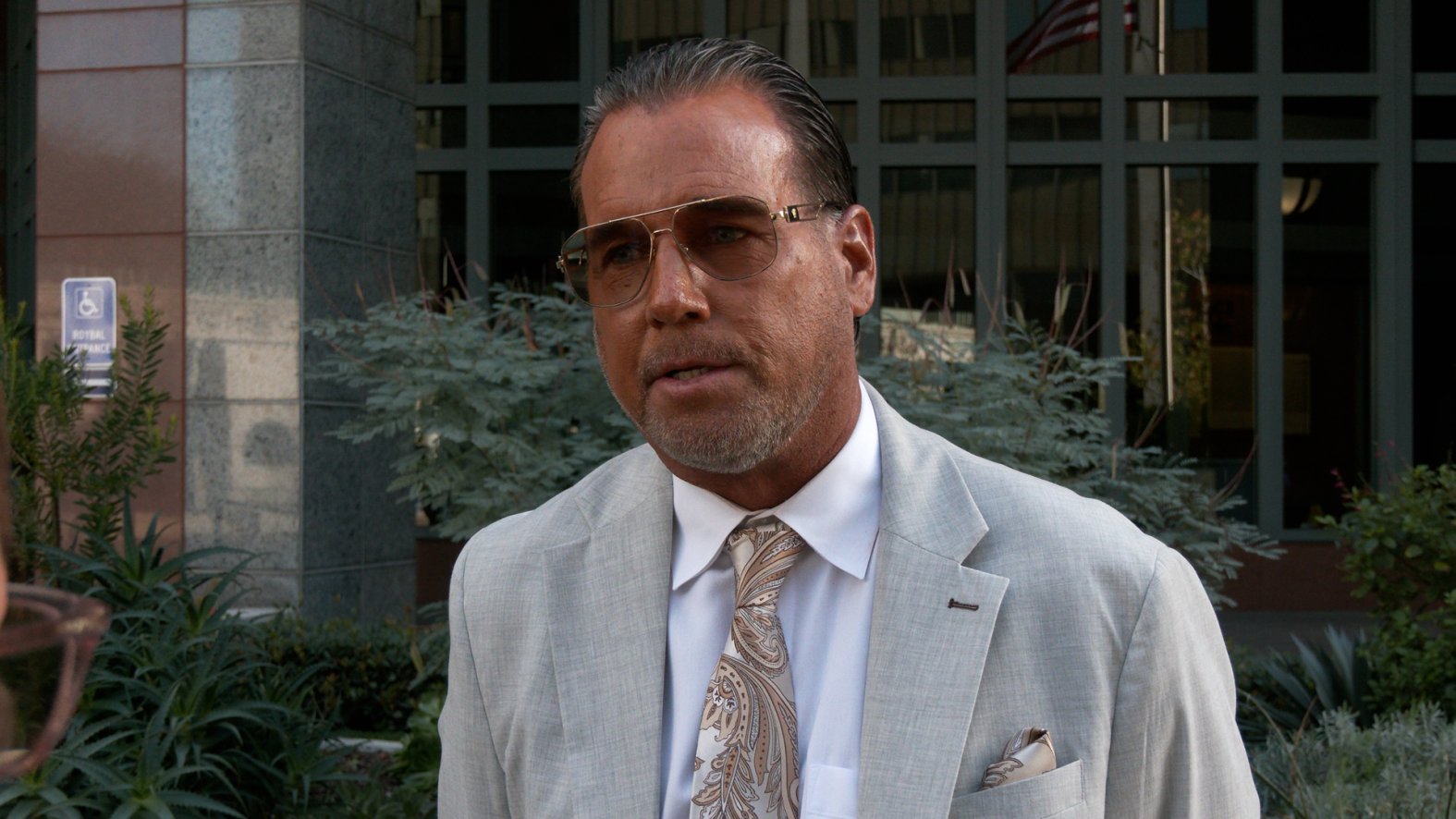
The fire’s impact extended beyond the physical destruction of vegetation. It prompted renewed discussions regarding fire safety protocols and the management of open spaces within the city limits. Local authorities have since increased patrols in high-risk areas, particularly during the summer months when drought conditions are at their peak. For the residents who were forced to flee their homes, the trial represents a search for accountability regarding a traumatic event that disrupted the community for several days in May 2021.
What Happens Next
The trial is currently in the evidentiary phase, with the government expected to call several more witnesses, including fire investigators and local law enforcement officers who responded to the scene. The court is scheduled to continue hearing testimony throughout the week. Following the conclusion of the prosecution’s case, the defense will have the opportunity to present its own witnesses or decide whether to have the defendant testify.
Updates regarding the trial schedule and official court filings can be monitored through the Public Access to Court Electronic Records (PACER) system, which provides the public with access to federal court documents. As the case moves forward, the court has not yet announced a date for closing arguments or jury deliberations. Readers interested in following the developments of this case are encouraged to check back for further updates as the trial progresses.
Related reading