
Former U.S. Attorney General Pam Bondi faced intense questioning from lawmakers this week regarding the handling of sensitive documents associated with Jeffrey Epstein. During her appearance before a House panel, Bondi addressed concerns surrounding the public release of these files, specifically pointing to procedural lapses that led to what she described as redaction errors.
The inquiry, which has drawn significant attention from both sides of the aisle, centers on the transparency of judicial and law enforcement records. As the debate over the oversight of these materials intensifies, Bondi’s testimony has shifted the focus toward other key figures within the administration, namely Todd Blanche and Patel, placing the responsibility for the oversight of these documents squarely on their shoulders. This development marks a new chapter in the ongoing scrutiny of the Justice Department’s management of high-profile, sensitive information.
Addressing Redaction Errors and Departmental Oversight
During her testimony, Bondi acknowledged that mistakes were made during the document review process. These errors, she explained, resulted in insufficient redactions in certain instances, potentially exposing information that should have remained protected. The U.S. Department of Justice maintains strict protocols for the release of sensitive files to protect the privacy of individuals and the integrity of ongoing investigations, yet the complexities of handling such large volumes of data often present significant logistical challenges.
Bondi argued that the operational responsibility for these specific releases fell under the purview of Todd Blanche and Patel. By identifying these individuals as the primary points of contact for the document review, Bondi has effectively signaled that future inquiries regarding the specific nature of these redaction failures may be directed toward their offices. This maneuver has raised questions about the chain of command and accountability within the department during the period in which these records were processed and released.
The Political Landscape of the Epstein Files Probe
The release of the Epstein files has long been a point of contention, with various political stakeholders demanding full transparency. The recent testimony by Bondi has heightened the political stakes, turning the spotlight onto Blanche and Patel. Observers suggest that this shift could lead to further congressional subpoenas or requests for testimony as lawmakers seek to understand exactly how these redaction errors occurred and why they were not identified during the internal review process.
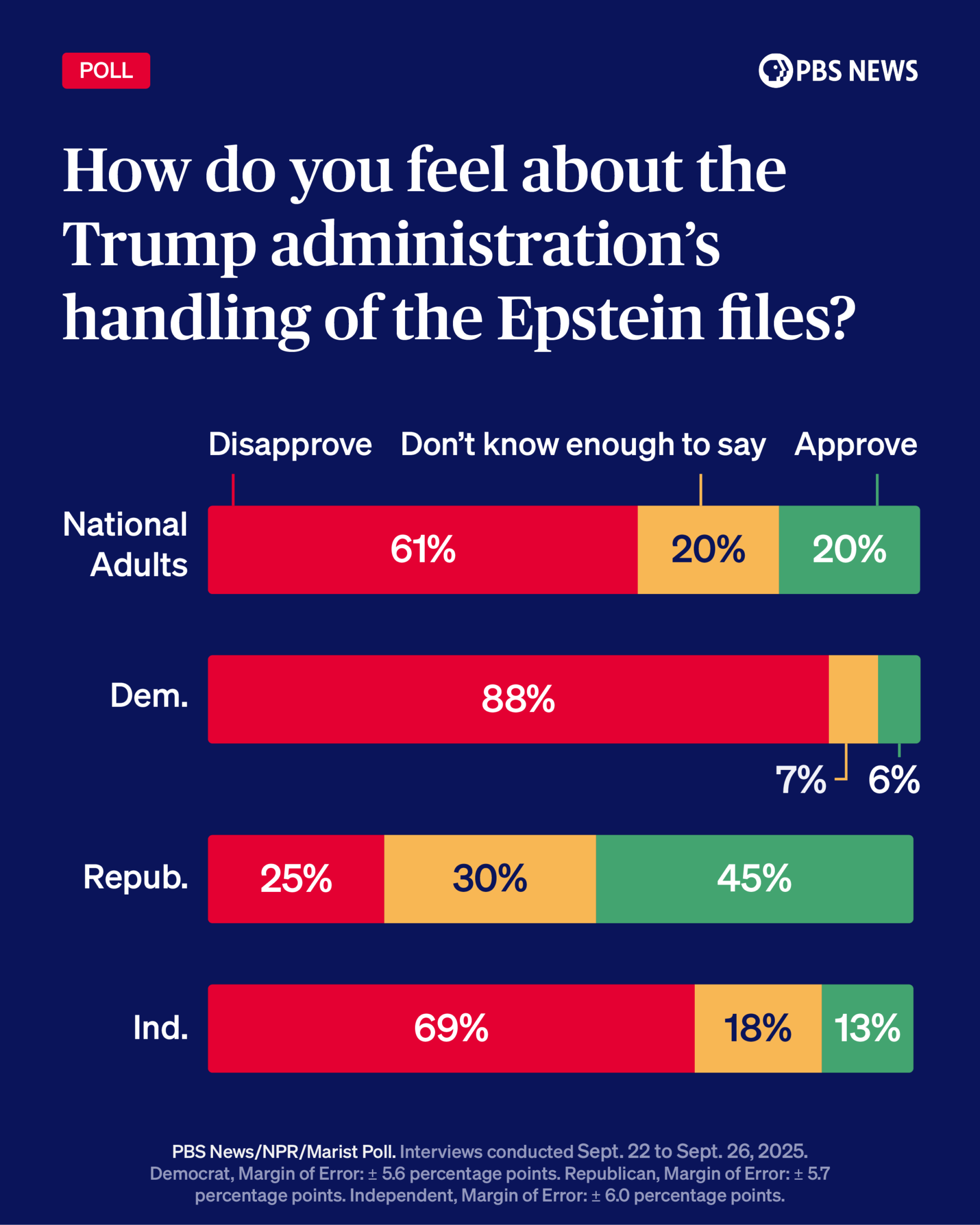
According to reports from the U.S. House of Representatives, members of the committee expressed frustration over the lack of clarity regarding who authorized the final versions of the documents. The committee’s ongoing investigation into the matter is expected to continue, with a focus on determining whether the errors were systemic or the result of individual oversight. As the National Archives and Records Administration continues to manage the preservation of federal records, the pressure to maintain rigorous standards for public disclosure remains a top priority for oversight bodies.
What Happens Next: Accountability and Transparency
The path forward remains uncertain as the House panel considers its next steps. Lawmakers have indicated that they intend to gather more information regarding the decision-making process that preceded the release of the documents. For the public, the primary concern remains the accuracy and completeness of the information provided, particularly concerning cases of significant public interest.
The next confirmed checkpoint for this inquiry involves further review of the testimony provided by Bondi and a potential hearing schedule for other relevant officials. As the situation develops, the focus will likely remain on whether the Department of Justice can provide a full accounting of the redaction process and ensure that future releases meet the necessary legal and ethical standards for public transparency.
We will continue to monitor the committee’s findings and any subsequent statements from the Justice Department. We invite our readers to share their thoughts in the comments section below as we track these important developments in government transparency and accountability.