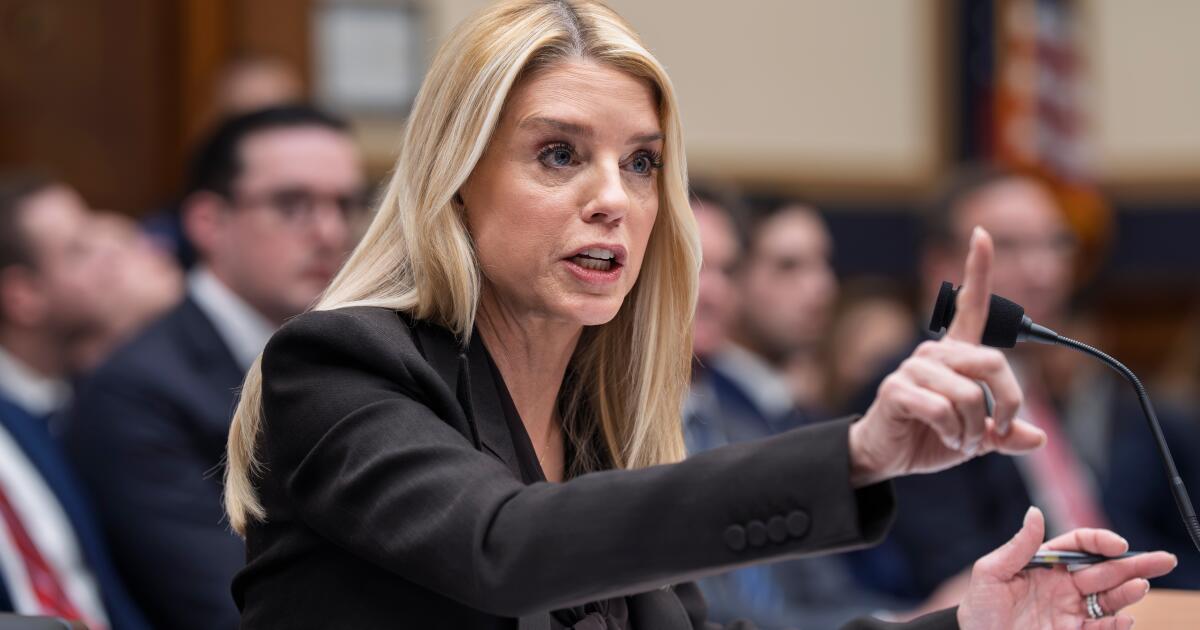
As the political landscape in Washington continues to navigate the complexities surrounding the investigation into the late Jeffrey Epstein, attention has turned toward scheduled proceedings involving Pam Bondi. The upcoming session, slated for Friday, represents a significant moment for congressional oversight, though the procedural nature of the interview has drawn particular notice from observers and legal analysts alike.
According to official committee communications, the interview with Bondi is set to proceed without the requirement of a formal oath. This distinction in the proceedings—specifically the decision to conduct the discussion outside of the standard sworn testimony framework—has prompted questions regarding the scope and evidentiary weight of the information expected to be gathered during the session.
The committee has indicated its intention to release a transcript of the interview following the conclusion of the proceedings. This transparency measure is intended to provide a public record of the discussion, balancing the need for legislative oversight with the practical realities of the committee’s investigative processes.
Understanding Congressional Interview Procedures
In the context of congressional investigations, the difference between a formal deposition under oath and a staff-led interview is substantial. While a deposition carries the full weight of perjury statutes, committee staff often engage in “transcribed interviews” to gather information efficiently while maintaining a formal record. The decision to hold such an interview does not inherently signal the significance of the testimony, but rather reflects the tactical approach chosen by the committee leadership.
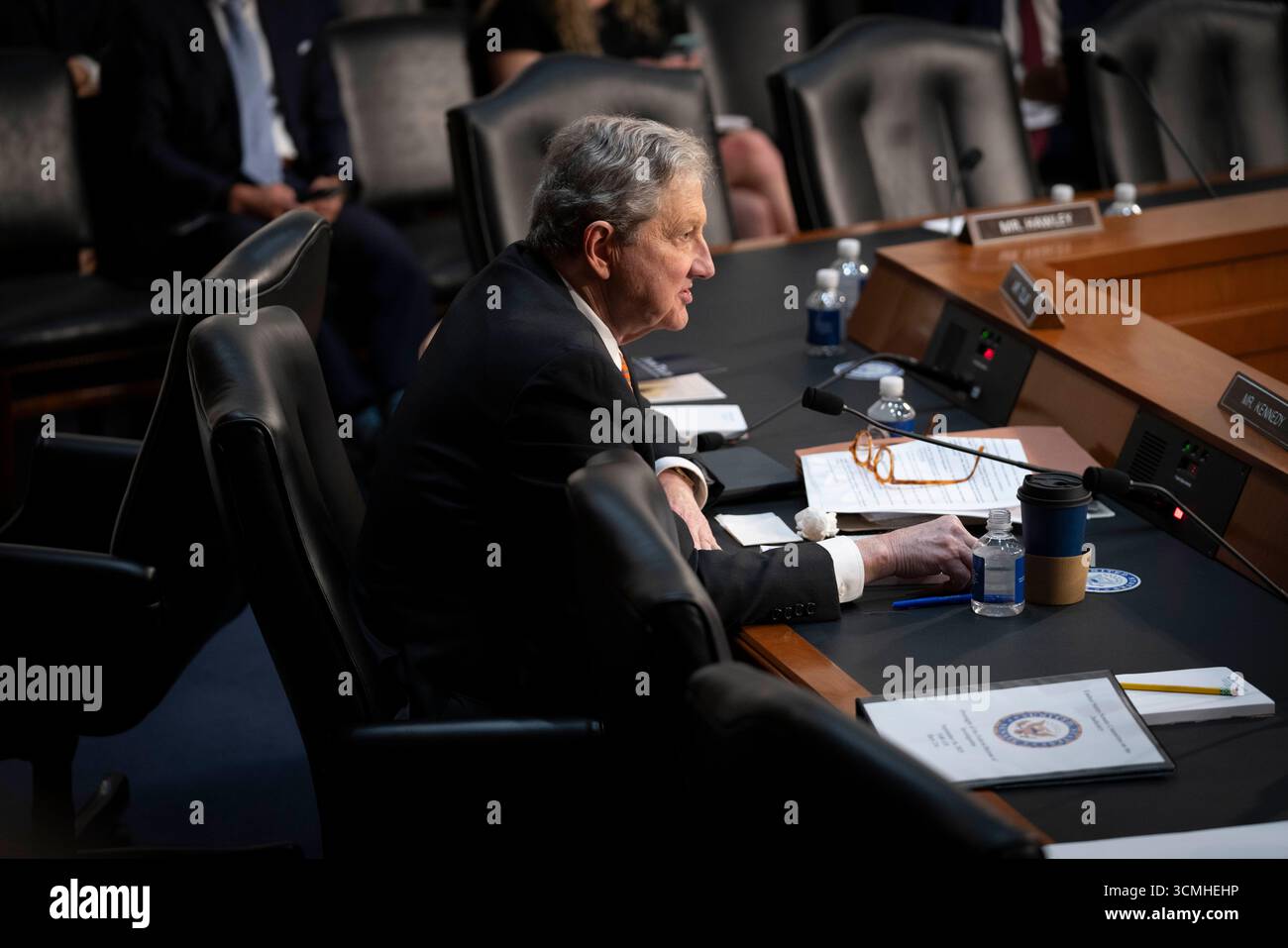
For those following the Judiciary Committee’s broader work, the release of interview transcripts serves as a primary mechanism for public accountability. By making these documents available, the committee ensures that the details discussed are accessible to the public, researchers, and other stakeholders who are monitoring the Epstein-related inquiries.
The Scope of the Inquiry
The Epstein files have remained a focal point of intense public and political interest, characterized by ongoing efforts to uncover the extent of the financier’s network and the failures of institutional safeguards. The involvement of various high-profile figures in these discussions underscores the sensitivity of the investigation. As the committee moves forward, the focus remains on identifying the individuals and systems that enabled Epstein’s activities.
The upcoming interview with Bondi is part of this larger, multi-faceted effort to piece together a comprehensive narrative. While the lack of an oath may lead some to speculate on the candor of the responses, legislative experts note that the committee retains the power to escalate proceedings to formal depositions or subpoenas should the information provided prove insufficient or inconsistent with other evidence gathered during the investigation.
Accountability and Public Oversight
For the public, the primary utility of these proceedings lies in the eventual release of the interview transcripts. Transparency is the bedrock of effective oversight, particularly in cases involving complex networks of influence and potential criminal activity. The commitment to release the document ensures that the narrative is not left to speculation, but is instead grounded in the stated words of the participants.
The committee’s ability to manage this investigation effectively will be judged by the depth of the information brought to light. As the investigation progresses, the focus will likely shift from the procedural details of these interviews to the substantive findings contained within the released records. Stakeholders and citizens alike are encouraged to monitor the committee’s official portal for the release of the transcript once the Friday session concludes.
Looking Ahead
As we move past Friday’s scheduled interview, the next checkpoint for this investigation will be the official publication of the transcript. Beyond that, the committee is expected to continue its review of related documents, which may lead to further interviews or the issuance of additional findings. We will continue to track these developments as they emerge from official channels, ensuring our readers remain informed on the latest updates regarding this ongoing matter.
What are your thoughts on the transparency of these congressional proceedings? We invite our readers to share their perspectives in the comments section below as we continue to cover this evolving story.
Related reading