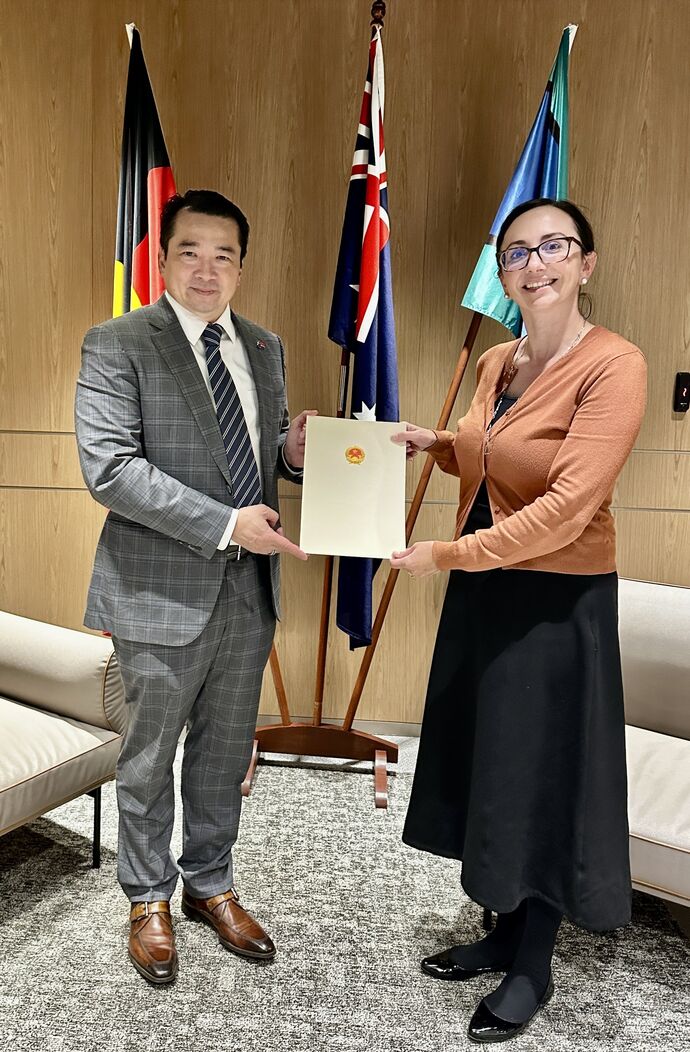
Vietnam is increasingly prioritizing its economic and diplomatic engagement with Western Australia, a state that serves as a vital gateway for trade, education and energy cooperation between the two nations. As global supply chains shift and regional partnerships evolve, the relationship between Hanoi and Perth has transitioned from a developing interest to a cornerstone of their respective international portfolios.
The strategic importance of this corridor is underscored by the active presence of the Australian Department of Foreign Affairs and Trade (DFAT). Pamela Currie, who leads the Western Australian State Office for DFAT, has been instrumental in facilitating these institutional ties, ensuring that the federal government’s foreign policy objectives align with the commercial realities of the Western Australian market. Her office plays a critical role in navigating the complexities of international trade agreements and fostering connections between Vietnamese enterprises and Australian industry leaders.
Strengthening Economic Ties Through Trade
The economic synergy between Vietnam and Western Australia is primarily anchored in the exchange of natural resources and agricultural expertise. Western Australia is a global powerhouse in mining and mineral exploration, sectors that are essential to Vietnam’s burgeoning industrial manufacturing base. According to the Australian Department of Foreign Affairs and Trade, the bilateral economic relationship continues to grow under the framework of the Comprehensive and Progressive Agreement for Trans-Pacific Partnership (CPTPP) and the ASEAN-Australia-New Zealand Free Trade Area (AANZFTA).
For Vietnam, the access to Western Australian iron ore, lithium, and other critical minerals is essential for the nation’s rapid infrastructure development and energy transition goals. Conversely, Western Australian exporters view the Vietnamese market as an expanding consumer base, particularly for high-quality grain, livestock, and technical services. The work of DFAT’s state office in Perth remains pivotal, as it provides the necessary regulatory guidance for businesses seeking to minimize trade friction and maximize market penetration in a post-pandemic global economy.
Education and Human Capital Development
Beyond the exchange of physical commodities, the relationship is deeply rooted in human capital. Vietnam has consistently remained one of the top sources of international students for Western Australian universities. This educational pipeline creates a unique “soft power” advantage, as thousands of Vietnamese graduates return home with Australian-accredited qualifications, effectively bridging the two business cultures.
The Australian Government Department of Education notes that international student mobility is a key driver of long-term diplomatic stability. By fostering these academic partnerships, Vietnam and Western Australia are not merely trading goods. they are building a long-term network of professionals who understand the regulatory, linguistic, and cultural nuances of both regions. This, in turn, simplifies the process for future joint ventures and research collaborations.
Strategic Outlook: What Comes Next
As we look toward the remainder of 2026, the focus for both parties remains on diversifying the trade basket. Energy security has emerged as a primary theme in high-level discussions between the two governments. Vietnam’s commitment to achieving net-zero emissions by 2050 necessitates a radical shift in its energy mix, a challenge that Western Australia—with its significant experience in renewable energy technology and hydrogen production—is well-positioned to assist with.
The next major checkpoint for these bilateral relations will be the upcoming regional trade summit, where officials from the Vietnamese Ministry of Foreign Affairs are expected to meet with their Australian counterparts to discuss updates to the 2024-2027 bilateral action plan. These meetings are critical for setting the roadmap for future investments and ensuring that the diplomatic infrastructure keeps pace with private sector demands.

For businesses looking to capitalize on these shifting dynamics, monitoring official updates from the Government of Western Australia remains the most reliable way to stay informed about upcoming trade missions and regulatory changes. As the relationship between Hanoi and Perth continues to mature, it stands as a model for sub-national diplomacy in the Indo-Pacific region.
We invite our readers to share their perspectives on the evolving trade landscape in the Indo-Pacific. Do you see energy transition as the primary driver for future international partnerships? Join the conversation in the comments section below.
Worth a look