The U.S. Department of Justice and federal investigators have faced renewed scrutiny regarding the long-standing investigation into the late financier Jeffrey Epstein and his associates. Public interest remains high concerning how various presidential administrations, including that of Donald Trump, navigated the fallout from Epstein’s criminal activities, particularly during the years surrounding the financier’s 2019 death in federal custody. While allegations of political interference or paralysis within the executive branch have circulated in the media, official records from the Department of Justice and court filings from the Southern District of New York provide the primary framework for understanding the timeline of these legal proceedings.
Jeffrey Epstein was arrested in July 2019 on federal sex trafficking charges, a development that brought renewed attention to his past associations with high-profile figures across the political spectrum. According to court records maintained by the U.S. Attorney’s Office for the Southern District of New York, the indictment alleged that Epstein operated a sex trafficking ring involving minors in New York and Florida between 2002 and 2005. His death in the Metropolitan Correctional Center in August 2019 was later ruled a suicide by the New York City Medical Examiner, as detailed in the official report released by the Department of Justice Office of the Inspector General (OIG).
The Timeline of Federal Oversight and Administration Response
The federal response to the Epstein case has been a subject of intense public inquiry, particularly regarding the role of the Department of Justice during the Trump administration. The OIG report, published in June 2023, conducted a comprehensive review of the conditions leading to Epstein’s death, including staffing shortages and procedural failures at the Bureau of Prisons. The report concluded that while there were significant lapses in security and oversight, there was no evidence of foul play or external political interference in the handling of Epstein’s incarceration.
The investigation into Epstein’s network did not cease with his death. Federal prosecutors continued to pursue cases against his associates, most notably Ghislaine Maxwell, who was convicted in December 2021 on five counts related to sex trafficking and conspiracy, as documented by the U.S. Attorney’s Office for the Southern District of New York. The legal proceedings highlighted the complexities of federal investigations into high-profile individuals and the significant resources required to secure convictions in cases involving decades-old allegations.
Addressing Allegations of Paralysis and Political Influence
Speculation regarding “paralysis” within the White House during the Epstein scandal often centers on the proximity of political figures to the financier prior to his arrest. Reports from outlets such as the New York Times have documented that Donald Trump and Epstein moved in similar social circles in Florida during the 1990s and early 2000s. However, legal experts note that social association does not equate to involvement in criminal activity. The Department of Justice maintains that its investigations are conducted independently of political influence, guided by evidence and the statutes governing sex trafficking and conspiracy.
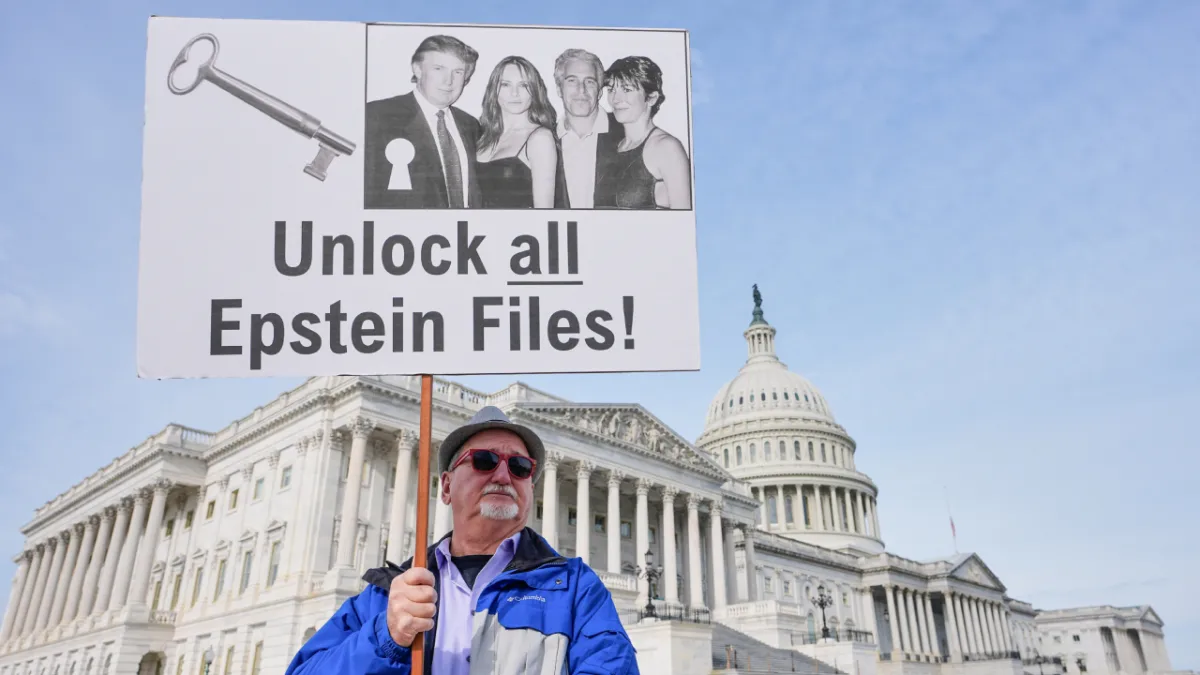
The scrutiny of the Trump administration’s reaction to the Epstein scandal often reflects the broader polarization of American politics. Critics have pointed to the 2008 non-prosecution agreement reached between Epstein and the U.S. Attorney’s Office in Florida—which occurred years before the Trump presidency—as a failure of the federal justice system. That agreement, which granted immunity to Epstein and his potential co-conspirators, has been the subject of multiple congressional inquiries and public criticism, as noted in documents released by the U.S. Senate Committee on the Judiciary.
Current Status of Related Investigations
As of late 2024, the legal aftermath of the Epstein case continues to evolve through civil litigation and the public release of previously sealed court documents. In January 2024, the U.S. District Court for the Southern District of New York began the process of unsealing hundreds of pages of documents related to a 2015 defamation lawsuit filed by Virginia Giuffre against Ghislaine Maxwell. These filings, accessible via the Southern District of New York’s electronic filing system, have provided further context regarding the individuals identified in connection with Epstein’s activities.
The commitment of the Department of Justice to continue investigating potential accomplices remains a point of interest for legal observers. While no new federal charges against high-profile political figures have been announced, the ongoing transparency efforts regarding the court files serve as a primary mechanism for public accountability. Readers seeking verified updates on court filings or official statements regarding the case are encouraged to monitor the official Department of Justice press releases for the most accurate information.
Legal proceedings in related civil matters are expected to continue throughout the coming months. As new documents are reviewed and potential civil actions move through the court system, the focus remains on the judicial process rather than political speculation. We encourage our readers to share their thoughts on the transparency of these investigations and to participate in the conversation below as more information becomes available.
Keep reading
- Apple CEO Transition: John Ternus Faces Supply Constraints & AI Challenges
- Côte d’Ivoire Selects 30 Startups and SMEs Under Startup Act to Build Digital Champions
- BP Q2 Profit Hits $5.7 Billion Amid Trump Criticism of Big Oil Windfalls (time.news)
- Trump Administration Begins Systematic Appropriation of Japanese Manga (newsdirectory3.com)