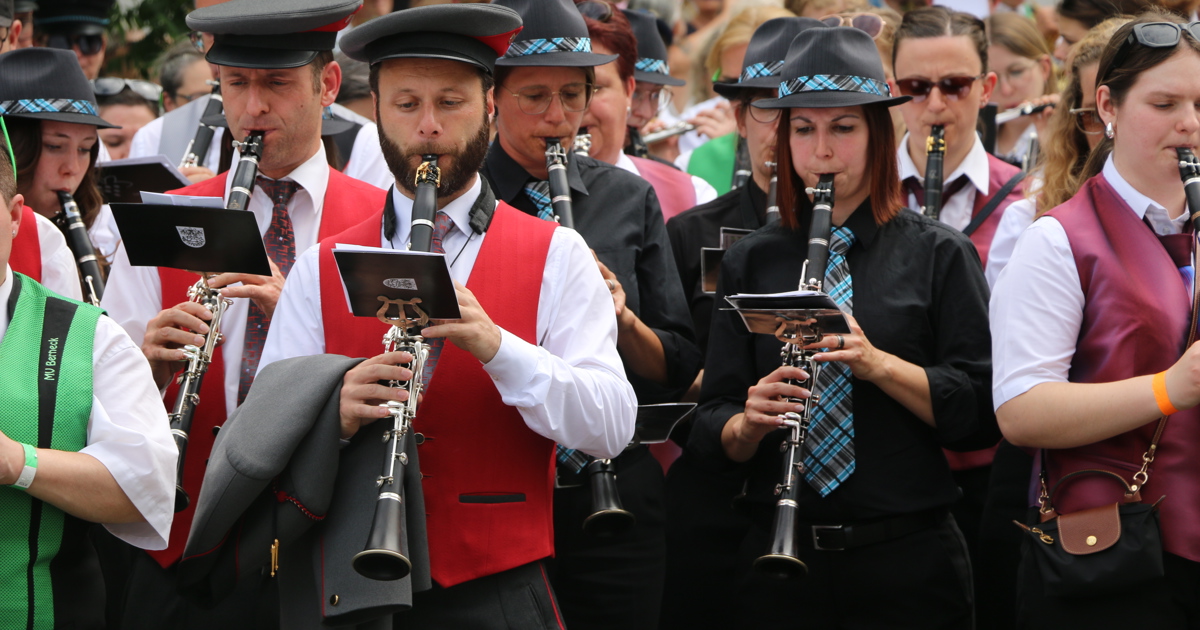
In the heart of Switzerland’s scenic Rheintal region, a tradition steeped in brass, rhythm, and community spirit unfolded this spring as local music societies paraded through the streets with a new anthem at their helm: the Rhema Marsch. The event, part of the broader Rhema 2026 festival, marked a milestone for the area’s musical heritage, blending centuries-old parademusik culture with a contemporary composition designed to celebrate unity and local pride.
The Rhema Marsch, a custom march written specifically for the occasion, became the centerpiece of the inaugural Tag der Blasmusik (Day of Brass Music), a festival highlight that drew crowds to the streets of Altstätten. The march’s creation reflects a deliberate effort to modernize traditional Swiss brass band culture while honoring its roots. According to local organizers, the piece was composed to encapsulate the region’s musical traditions, with its lively tempo and festive melodies designed to energize both performers and spectators alike.
While the exact composer of the Rhema Marsch has not been publicly attributed in verified sources, the festival’s organizers emphasized its collaborative nature, involving input from local musicians and community leaders. The march’s premiere during the Tag der Blasmusik was documented by photographer Gian Kaufmann, whose images captured the vibrant procession of brass bands marching through Altstätten’s historic center. The event underscored the region’s deep commitment to preserving and evolving its musical legacy, even as it embraces new artistic expressions.
The Evolution of Parademusik in the Rheintal
The Rheintal region has long been a hub for parademusik, a term that refers to the ceremonial and festive music performed by brass bands during public processions, festivals, and community gatherings. These bands, often composed of volunteers, play a pivotal role in local celebrations, from religious processions to national holidays. The tradition dates back centuries, with Swiss brass bands forming as early as the 18th century to provide music for military and civic events.
In recent years, the region has seen a resurgence of interest in parademusik, driven in part by efforts to revitalize rural cultural practices. The Rhema 2026 festival, held annually in the Rheintal, serves as a platform for these bands to showcase their talents while also fostering collaboration across different communities. This year’s inclusion of the Tag der Blasmusik further highlighted the region’s dedication to brass music, offering a dedicated day for performances, workshops, and community engagement.

One of the standout features of the festival was the participation of over 60 music societies during the 2024 Kantonales Musikfest Graubünden, a precursor event that set the stage for Rhema 2026’s expanded programming. The festival’s organizers have noted a growing trend of younger generations joining brass bands, signaling a promising future for the tradition. According to local reports, the Rheintaler Musikanten, a prominent group from the region, played a key role in the festival’s success, leading the parades and performing the newly composed Rhema Marsch.
A New Anthem for the Region
The Rhema Marsch stands out not only for its musical composition but also for its symbolic significance. The march’s title, Rhema, is derived from the Greek word for “word” or “message,” reflecting the festival’s theme of unity and shared values. While the exact lyrics of the march have not been widely published, its structure follows traditional Swiss march formats, blending fanfare-like sections with more melodic passages that are easier for amateur musicians to perform.
Local musicians involved in the composition process have described the march as a fusion of classic Swiss military music and contemporary folk influences. The piece’s premiere during the Tag der Blasmusik was met with enthusiasm, with attendees praising its ability to unite diverse groups under a single musical theme. The march’s success has already sparked discussions about its potential use in future festivals and official events, cementing its place in the region’s cultural landscape.
Community and Cultural Impact
The Rhema 2026 festival and its associated events have had a measurable impact on the Rheintal region, serving as a catalyst for cultural exchange and economic activity. Local businesses reported increased foot traffic during the festival, while schools and youth organizations used the event as an opportunity to engage with music education. The inclusion of the Tag der Blasmusik also provided a platform for lesser-known bands to gain visibility, fostering a sense of inclusivity within the musical community.
Beyond the immediate celebrations, the festival has also drawn attention to the broader challenges facing traditional music societies in Switzerland. Many bands struggle with declining membership and funding, prompting organizers to seek innovative ways to attract new participants. The success of the Rhema Marsch and the festival’s modern approach to parademusik offer a potential model for other regions grappling with similar issues.
Looking Ahead: The Future of Parademusik
As the Rheintal continues to celebrate its musical heritage, the future of parademusik in the region appears bright. The Rhema 2026 festival has set a new standard for community-driven cultural events, demonstrating how tradition and innovation can coexist. Plans for next year’s festival already include expanded programming, with organizers exploring the possibility of a regional competition for brass bands and additional workshops for young musicians.

For those interested in experiencing the vibrant world of Swiss brass music firsthand, the Rheintal offers a wealth of opportunities. The Rhema 2027 festival is expected to build on this year’s success, with details to be announced in the coming months. In the meantime, local music societies continue to perform regularly, inviting visitors to join their parades and enjoy the thunderous sound of brass filling the air.
Key Takeaways
- The Rhema Marsch is a custom composition created for the Rhema 2026 festival, blending traditional Swiss brass music with contemporary influences.
- The inaugural Tag der Blasmusik in Altstätten highlighted the region’s commitment to preserving and evolving parademusik culture.
- Over 60 music societies participated in the 2024 Kantonales Musikfest Graubünden, showcasing the enduring popularity of brass bands in Switzerland.
- The festival has spurred discussions about modernizing traditional music societies to attract younger generations and secure their future.
- Local businesses and schools have benefited from the cultural and economic boost provided by the festival.
The next checkpoint for the Rheintal’s musical community will be the planning stages for Rhema 2027, with organizers already considering new ways to engage audiences and expand the festival’s reach. Whether you’re a music enthusiast or simply curious about Switzerland’s rich cultural traditions, the Rheintal’s parademusik scene offers a captivating glimpse into the power of community and shared passion.
Have you experienced a similar cultural festival in your region? Share your stories in the comments below or join the conversation on social media using #Rhema2026 and #Parademusik. For more updates on Swiss cultural events, stay tuned to World Today Journal.