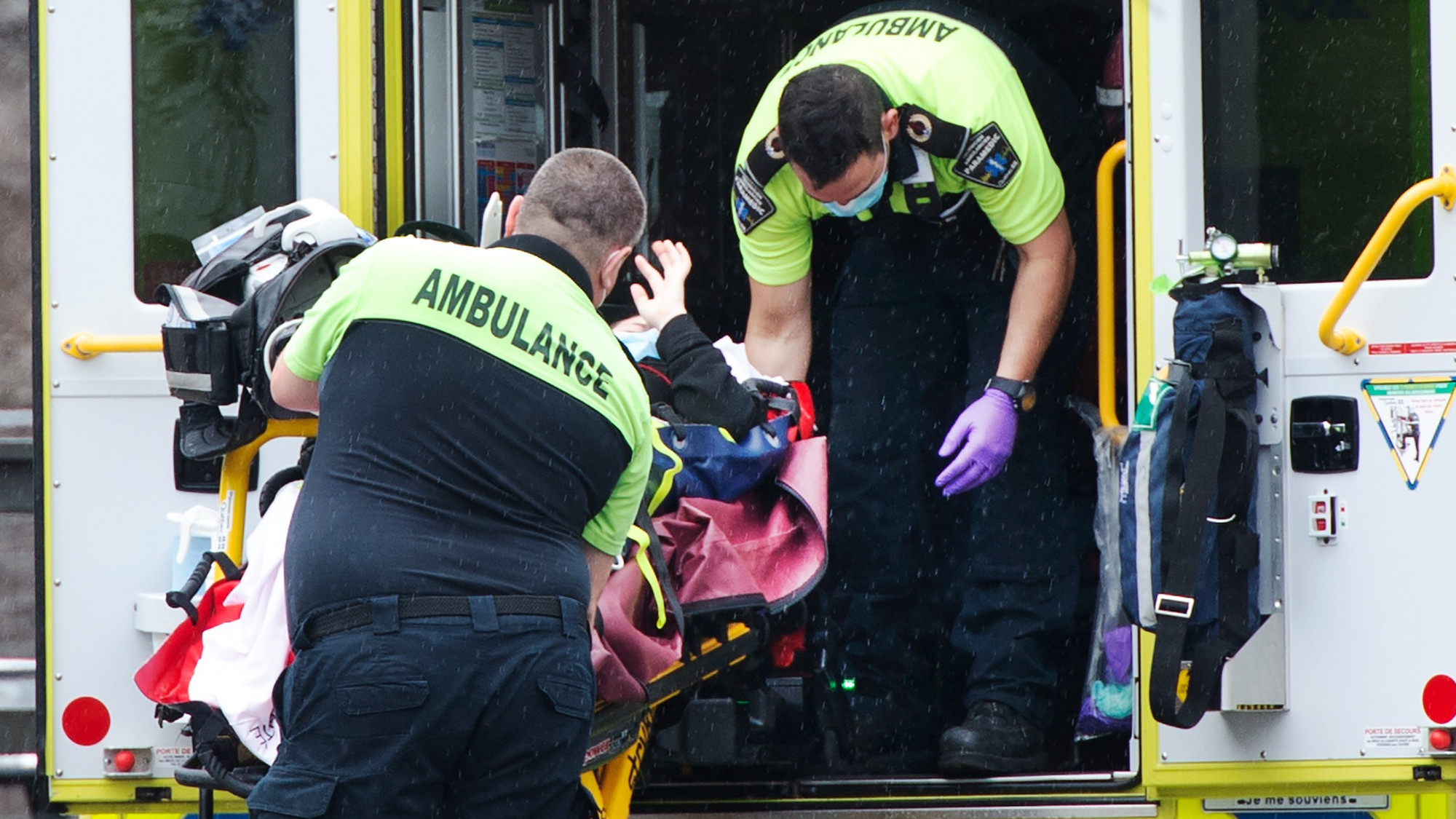
The psychological toll on emergency medical personnel is receiving increased attention, particularly in the wake of a new documentary series shedding light on the realities faced by paramedics. A recent interview with Olivier Mireault, a former paramedic from Quebec, Canada, underscores the profound distress experienced by those on the front lines of emergency care. His story, shared on February 24, 2026, highlights a critical issue: the disproportionately high risk of suicide among paramedics.
Mireault, 44, retired early after 23 years of service, a decision driven by the cumulative impact of traumatic interventions. His experience, as reported by Cogeco Média, is not isolated. Studies indicate that paramedics are twice as likely to die by suicide compared to the general population. The interview, conducted by Marie-Eve Tremblay, details Mireault’s struggle with post-traumatic stress, shame, isolation, and self-medication, ultimately leading him to seek help at La Vigile, a recovery center.
The Hidden Scars of Emergency Response
The demanding nature of paramedic work exposes individuals to a constant stream of critical incidents, ranging from medical emergencies to traumatic accidents. These experiences can depart deep psychological scars, leading to conditions like post-traumatic stress disorder (PTSD), anxiety, and depression. The pressure to remain calm and professional in the face of chaos, coupled with long hours and shift work, further exacerbates these risks. A segment from the documentary series Entre les lignes, which explores the daily lives of Quebec paramedics, features Mireault’s personal account, including the harrowing experience of responding to an emergency at his mother’s home where she ultimately died from a heart attack.
The stigma surrounding mental health within traditionally stoic professions like emergency medicine often prevents individuals from seeking help. Mireault’s story illustrates the feelings of shame and isolation that can accompany mental health struggles, leading to a reluctance to disclose difficulties and a tendency towards self-reliance, even when it’s detrimental. This reluctance is compounded by the inherent demands of the job, where paramedics are expected to be strong and resilient, often at the expense of their own well-being.
Understanding PTSD and its Impact
Post-traumatic stress disorder (PTSD) is a mental health condition triggered by a terrifying event – something that involves physical harm or the threat of harm. Symptoms can include flashbacks, nightmares, severe anxiety, and uncontrollable thoughts about the event. According to the National Center for PTSD, part of the U.S. Department of Veterans Affairs, approximately 6% of the U.S. Population will experience PTSD in their lifetime. The National Center for PTSD provides comprehensive information on the condition, its causes, and available treatments.
For paramedics, the repetitive exposure to trauma can lead to cumulative PTSD, where the effects of multiple incidents build up over time. This can manifest as emotional numbness, difficulty concentrating, irritability, and a sense of detachment from others. The constant state of hypervigilance required on the job can also contribute to chronic stress and exhaustion, further increasing the risk of mental health problems.
The Quebec Context and the Series Entre les lignes
The airing of Entre les lignes has sparked a broader conversation in Quebec about the mental health of paramedics and the necessitate for improved support systems. The series, created by Frédéric Farrucci, aims to provide a realistic portrayal of the challenges faced by these essential workers. IMDb lists Frédéric Farrucci as the director of the short film. The documentary’s focus on the human cost of emergency response is intended to raise awareness and encourage greater empathy for those who dedicate their lives to saving others.
The province of Quebec, like many regions, is facing a shortage of healthcare professionals, including paramedics. This increased workload and pressure can further exacerbate the mental health challenges faced by those in the field. Advocates are calling for increased funding for mental health services specifically tailored to the needs of paramedics, as well as improved training programs that emphasize self-care, and resilience.
La Vigile: A Path to Recovery
Olivier Mireault’s journey to recovery led him to La Vigile, a residential treatment center specializing in the treatment of PTSD and other mental health conditions. The center provides a safe and supportive environment where individuals can process their trauma, develop coping mechanisms, and rebuild their lives. Mireault’s experience highlights the importance of accessible and effective mental health care for those who have experienced traumatic events.
The center’s approach emphasizes a holistic model of care, addressing not only the psychological symptoms of PTSD but also the physical, emotional, and social needs of its clients. This includes individual therapy, group therapy, mindfulness practices, and recreational activities designed to promote healing and well-being. Mireault’s willingness to share his story serves as a powerful message of hope for others struggling with similar challenges.
Addressing the Systemic Issues
While individual treatment is crucial, addressing the systemic issues that contribute to paramedic burnout and mental health problems is equally important. This includes reducing workload, improving working conditions, providing adequate training in stress management and resilience, and fostering a culture of openness and support within emergency medical services organizations.
there is a growing recognition of the need for proactive mental health screening and early intervention programs for paramedics. Regular check-ins with mental health professionals, coupled with access to confidential counseling services, can help identify and address potential problems before they escalate into more serious conditions. Investing in the mental health of paramedics is not only a moral imperative but also a practical one, as it can improve the quality of care they provide and reduce the risk of burnout and turnover.
Mireault’s poignant statement – “At some point, when you are no longer able to save others, you have to save yourself. It’s shameful. We live in shame, we live in isolation, and then in hiding” – encapsulates the profound struggle faced by many emergency responders. His courage in speaking out is a vital step towards breaking down the stigma surrounding mental health and creating a more supportive environment for those who dedicate their lives to serving others.
The conversation surrounding paramedic mental health is ongoing, and the release of Entre les lignes is expected to further amplify this critical discussion. As awareness grows and resources become more readily available, there is hope that more paramedics will feel empowered to seek help and prioritize their own well-being.
Key Takeaways:
- Paramedics are at a significantly higher risk of suicide compared to the general population.
- Exposure to traumatic events and the demands of the job can lead to PTSD, anxiety, and depression.
- Stigma surrounding mental health often prevents paramedics from seeking help.
- Accessible and effective mental health care, such as that offered at La Vigile, is crucial for recovery.
- Addressing systemic issues within emergency medical services is essential to prevent burnout and promote well-being.
Further updates on mental health initiatives for emergency responders are expected from the Quebec Ministry of Health in the coming months. Readers are encouraged to share their thoughts and experiences in the comments section below.
Related reading