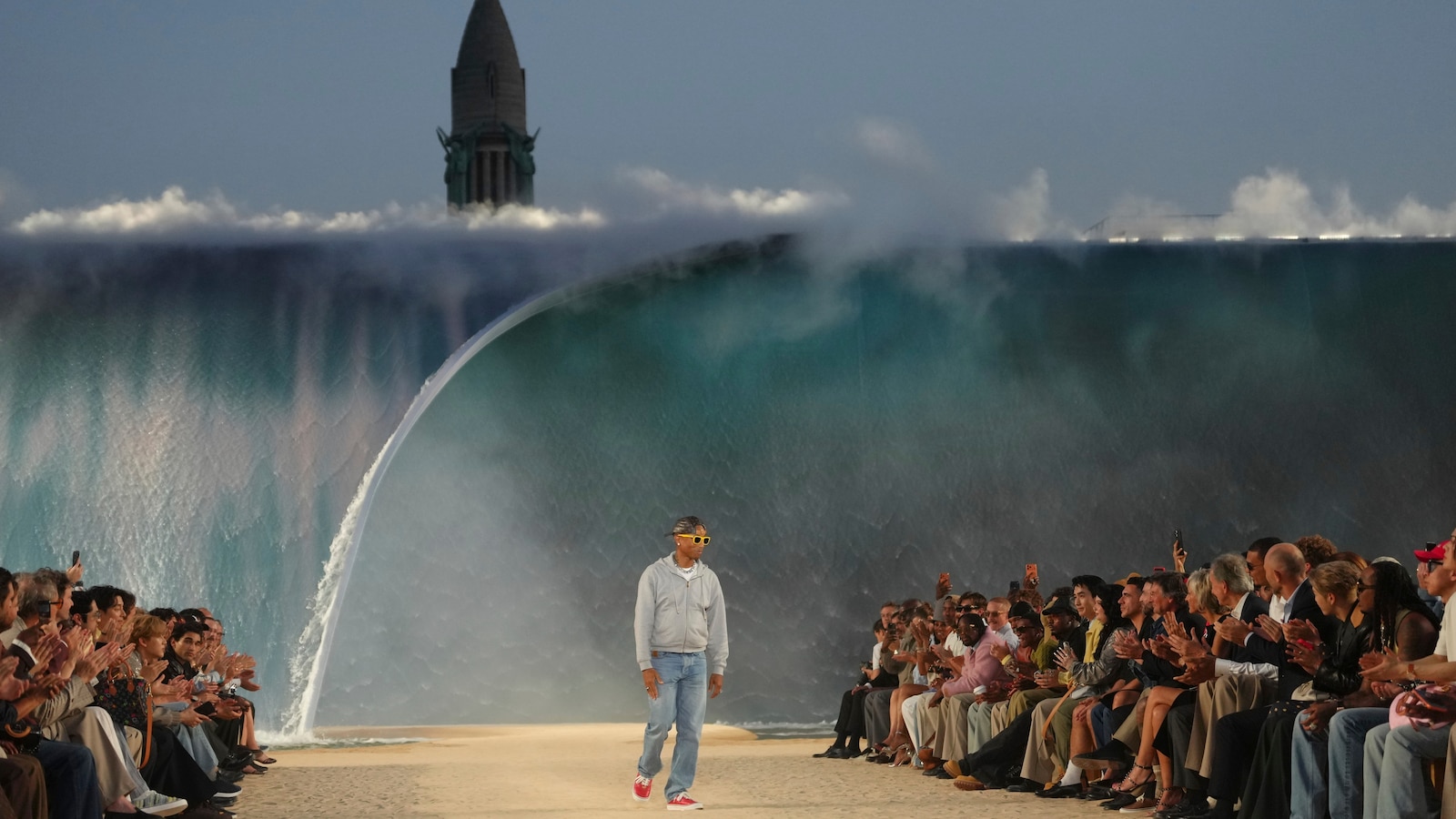
Paris Fashion Week Men’s has emerged as a high-stakes proving ground for the global luxury industry as designers and attendees contend with record-breaking temperatures across Western Europe. During the Spring/Summer 2025 collections in June 2024, the French capital experienced significant heat, forcing organizers and fashion houses to reevaluate the traditional logistics of outdoor runways and high-density indoor venues, according to reporting by the Associated Press. This environmental shift reflects a broader vulnerability within the fashion sector, where the pressure to host elaborate, physical showcases often clashes with the reality of intensifying climate patterns.
The convergence of luxury fashion and rising temperatures has prompted a shift in how major houses manage their guest lists and production schedules. With Météo-France confirming that recent summers in the region have been characterized by increasing frequency and intensity of heatwaves, the logistics of hosting hundreds of editors, buyers, and influencers in non-air-conditioned historic venues or under direct sunlight have become a significant operational liability. For the industry, the challenge lies in balancing the “spectacle” of the runway—a cornerstone of brand identity—with the basic health and safety requirements of its workforce and guests.
Infrastructure Challenges in Historic Venues
Many of the most coveted venues during Paris Fashion Week are historic buildings that lack modern climate control systems. Unlike purpose-built convention centers, these sites, often chosen for their architectural prestige, present substantial obstacles during extreme heat events. According to the Vogue Business analysis of industry logistics, the cost of retrofitting these spaces with temporary industrial cooling is rising, yet remains a necessity to prevent safety incidents among staff and attendees.
The reliance on these spaces forces a delicate management of air circulation and guest capacity. During the June 2024 shows, several houses opted for earlier start times or moved traditionally outdoor events into shaded or interior settings to mitigate the health risks associated with heat exhaustion. This adaptation is not merely aesthetic; it is becoming a requirement for maintaining insurance coverage and meeting municipal safety standards for public gatherings, which are strictly overseen by the Préfecture de Police de Paris.
The Evolution of Runway Attire and Design
The heat has also begun to influence the actual garments presented on the runway. Designers are increasingly incorporating breathable, high-performance textiles that were previously relegated to sportswear. This shift toward “climate-conscious couture” reflects a pragmatic response to consumer demand for clothing that performs in warmer climates, as noted in recent industry reporting by The New York Times. Lightweight linens, open-weave knits, and moisture-wicking fabrics were prominent in the Spring/Summer 2025 collections, marking a departure from the heavier structured wools that dominated men’s suiting for decades.
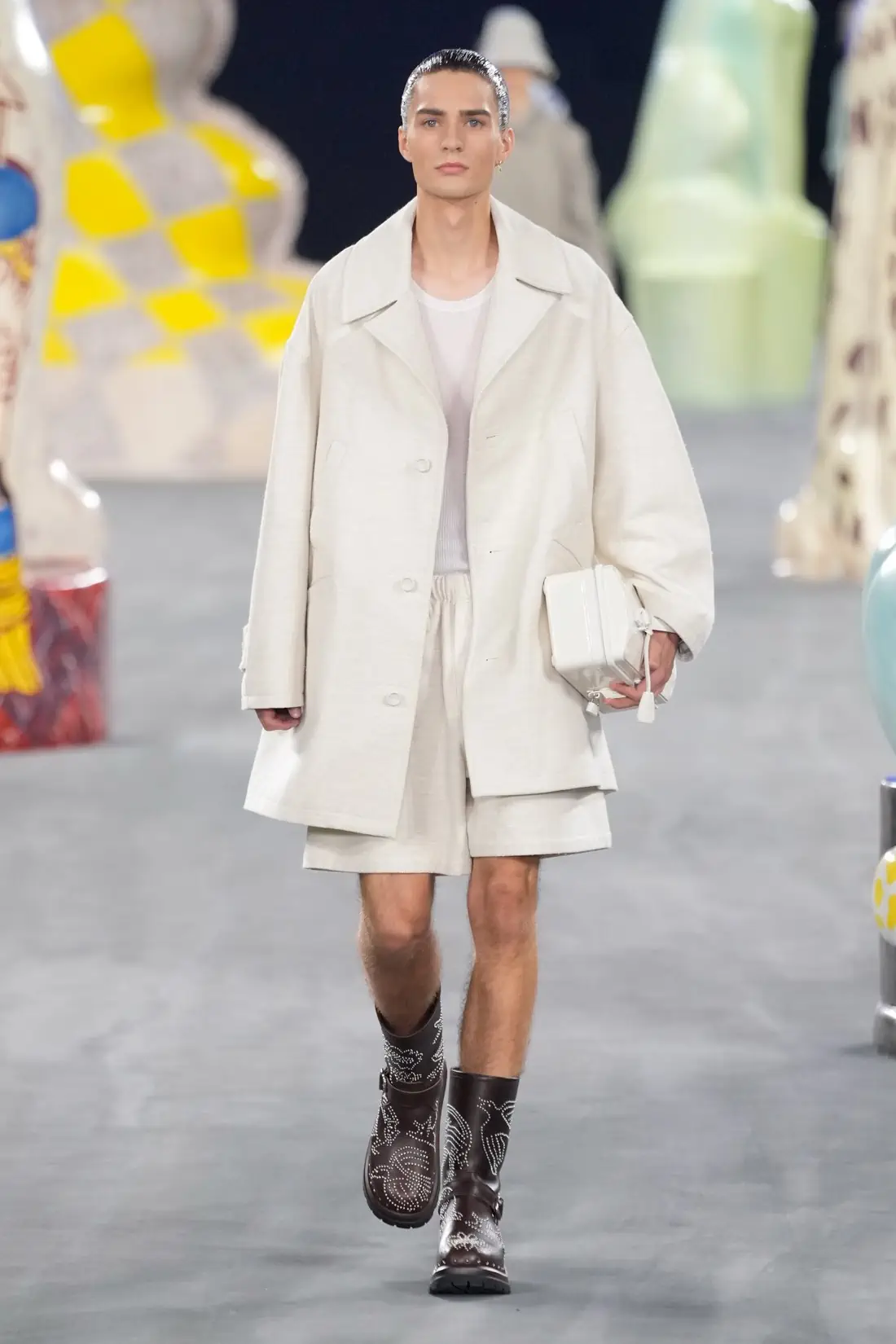
This design pivot serves a dual purpose: it offers practical solutions for the end consumer while signaling the industry’s awareness of its environmental footprint. By prioritizing lighter, more durable materials, designers are aligning their creative output with the realities of a changing global climate. This transition is expected to continue as luxury houses face increased scrutiny regarding their sustainability commitments and the long-term viability of their supply chains.
What Happens Next for Global Fashion Weeks
As the industry looks toward future seasons, the question of whether to consolidate or move fashion week dates remains a subject of debate. Historically, the timing of fashion weeks is dictated by global retail buying cycles, which are difficult to adjust without disrupting the international commerce of luxury goods. However, the Fédération de la Haute Couture et de la Mode, the governing body responsible for organizing Paris Fashion Week, continues to monitor weather data and infrastructure capacity to ensure the safety of all participants.
Observers suggest that the next steps will likely involve a push for more permanent climate-resilient infrastructure. This might include the development of “green” venues designed with passive cooling techniques, or a wider adoption of hybrid digital-physical models that reduce the need for high-density, in-person attendance during peak heat months. For now, the focus remains on reactive measures, such as enhanced medical support on-site and improved hydration logistics for guests and production crews.
Stakeholders in the fashion ecosystem are encouraged to monitor official updates from the Fédération regarding schedule changes or health advisories for upcoming events. As the industry navigates these environmental pressures, the intersection of luxury and climate reality will remain a defining theme for future seasons. Readers are invited to share their thoughts on the evolution of runway logistics in the comments below.