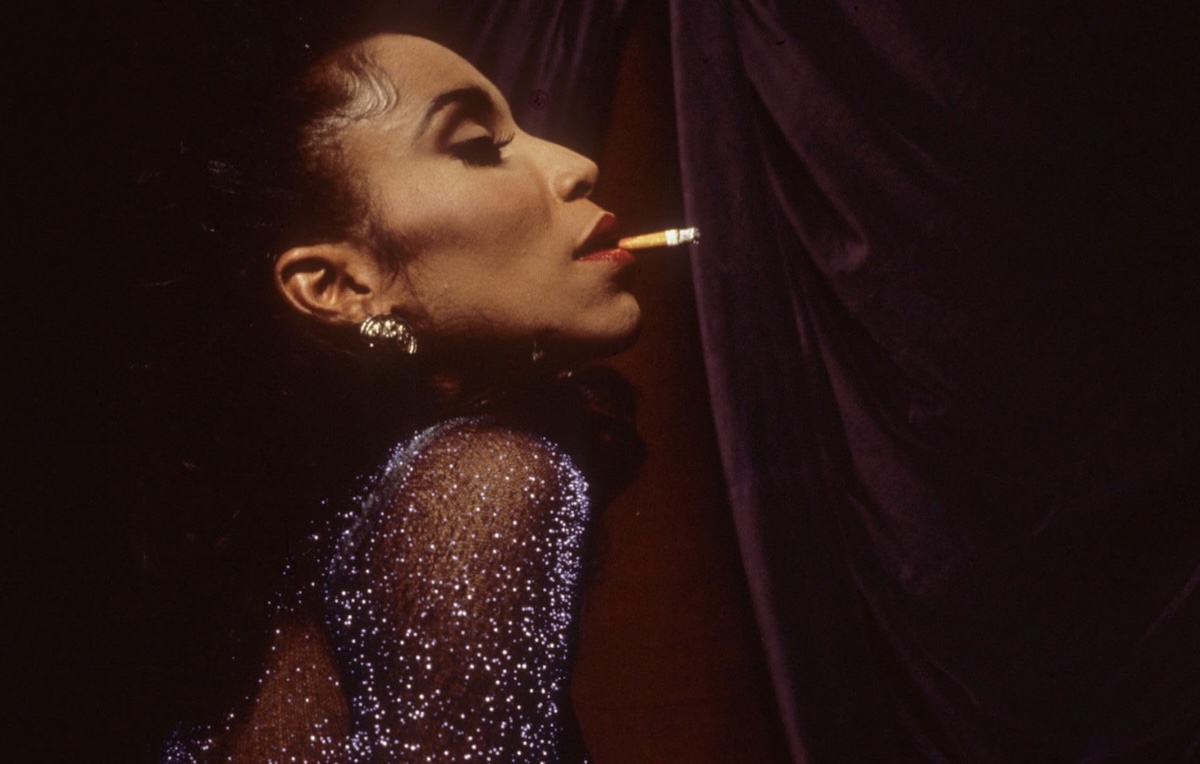
The documentary Paris Is Burning, directed by Jennie Livingston, remains a landmark cinematic achievement, offering a rare and intimate glimpse into New York City’s ballroom culture of the 1980s. More than just a film about dance, it’s a poignant exploration of race, class, gender, and sexuality, and the resilience of a community forged in the face of adversity. Released in 1990, the film continues to resonate with audiences today, sparking conversations about identity, performance, and the search for belonging.
Filmed over six years, Paris Is Burning doesn’t present a narrative in the traditional sense. Instead, it’s a collection of interviews and observational footage capturing the vibrant world of the balls – elaborate competitions where participants, primarily Black and Latino LGBTQ+ individuals, “walk” in various categories, judged on dance skill, fashion, and the art of “realness” – convincingly portraying a different gender identity. These balls provided a safe haven and a platform for self-expression for those marginalized by mainstream society. The film’s title itself refers to the glamorous, often unattainable world of white, affluent society that many ball participants aspired to emulate, and momentarily inhabit, through their performances.
The Birth of Ballroom Culture and the Quest for “Realness”
The origins of ballroom culture can be traced back to the 1960s, born from a desire for queer people of color to create their own spaces for celebration, and acceptance. Crystal LaBeija, a legendary figure in the scene, is widely credited with establishing the modern ballroom format, challenging the exclusion faced by Black and Latino performers in predominantly white drag contests. As Them reports, LaBeija’s frustration with systemic racism and homophobia led her to found the House of LaBeija, a chosen family that provided support, mentorship, and a competitive outlet for its members.
Central to ballroom culture is the concept of “realness,” the ability to convincingly portray a desired identity. This could involve “passing” as a different gender, embodying a specific social class, or even mimicking the appearance and mannerisms of celebrities. For many participants, particularly transgender women of color, achieving “realness” was a matter of survival, a way to navigate a hostile world and assert their dignity. The film highlights the complex relationship between performance and identity, questioning what it means to be “authentic” in a society that often demands conformity.
Key Figures and Houses Featured in Paris Is Burning
Paris Is Burning introduces viewers to a captivating cast of characters who embody the spirit and creativity of the ballroom scene. Dorian Corey, a renowned drag mother and performer, serves as a central figure, offering insightful commentary on the history and dynamics of the balls. Pepper LaBeija, another prominent figure from the House of LaBeija, provides a fierce and uncompromising perspective on the competition and the challenges faced by Black performers. Venus Xtravaganza, a young and ambitious dancer, tragically died before the film’s release, but her story remains a powerful testament to the dreams and vulnerabilities of those involved in ballroom culture.
Other notable figures featured in the documentary include Octavia St. Laurent, a talented dancer and designer; Willi Ninja, a groundbreaking voguer who brought the art form to a wider audience; Angie Xtravaganza, known for her beauty and charisma; and Freddie Pendavis, a charismatic performer and commentator. The film also showcases the importance of “Houses” – chosen families that provide support, guidance, and a sense of belonging for their members. Houses like LaBeija, Xtravaganza, and Ninja became legendary within the ballroom community, fostering fierce rivalries and a strong sense of camaraderie.
Vogueing: From the Ballroom to the Mainstream
While Paris Is Burning captured the essence of ballroom culture, it was the emergence of voguing – a highly stylized dance form characterized by angular poses and dramatic movements – that propelled the scene into the mainstream consciousness. Jennie Livingston first encountered voguing in Washington Square Park in the West Village, as detailed by Them. The dance form, originating within the ballroom community, became internationally recognized through Madonna’s 1990 hit song “Vogue,” and its accompanying music video, which borrowed heavily from the aesthetics and movements seen in Paris Is Burning.
But, the mainstream appropriation of voguing sparked controversy, with some critics arguing that Madonna and other artists profited from a culture created by marginalized communities without giving proper credit or compensation. The film itself has also faced scrutiny over issues of representation and authorship, with some questioning whether Livingston, as a white filmmaker, adequately captured the nuances and complexities of the ballroom scene. Despite these criticisms, Paris Is Burning remains a vital document of a unique and influential subculture.
Legacy and Preservation
Paris Is Burning’s impact extends far beyond the world of fashion and entertainment. The film has been widely studied in academic circles, informing research on gender studies, queer theory, and African American culture. In 2016, the Library of Congress selected Paris Is Burning for preservation in the United States National Film Registry, recognizing its “culturally, historically or aesthetically significant” value. According to Wikipedia, the film had a budget of $500,000 and grossed $3.8 million at the box office.
The film’s legacy continues to inspire artists and activists today. Documentaries like Kiki (2016) and television series like My House (premiering on VICELAND in 2018) have brought renewed attention to the contemporary ballroom scene, showcasing the ongoing struggles and triumphs of LGBTQ+ people of color. The enduring popularity of Paris Is Burning serves as a reminder of the importance of preserving and celebrating the stories of marginalized communities, and the power of art to challenge societal norms and promote understanding.
Key Takeaways
- Paris Is Burning offers a groundbreaking look into 1980s New York City ballroom culture.
- The film explores themes of race, class, gender, and sexuality, and the search for identity and acceptance.
- Voguing, a dance form originating in the ballroom scene, gained mainstream recognition through Madonna’s “Vogue” but sparked debates about cultural appropriation.
- Paris Is Burning has been preserved by the Library of Congress for its cultural and historical significance.
As ballroom culture continues to evolve and gain wider recognition, it’s crucial to remember its roots and the contributions of the pioneers who created this vibrant and resilient community. The story of Paris Is Burning is not just a historical document; it’s a testament to the enduring power of self-expression and the human spirit. Further exploration of the ballroom scene can be found through contemporary documentaries and community organizations dedicated to preserving its legacy.
What are your thoughts on the lasting impact of Paris Is Burning? Share your comments below, and let’s continue the conversation.