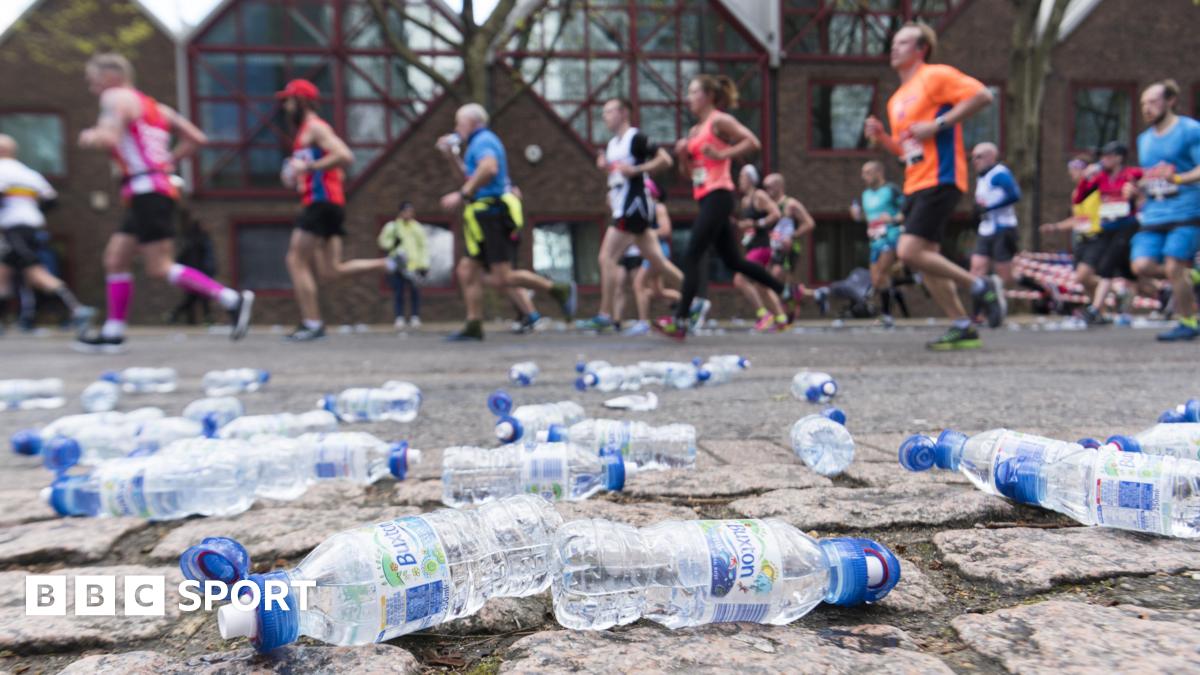
The streets of the French capital are preparing for a historic shift this weekend as the Paris Marathon implements a sweeping ban on single-use water cups and plastic bottles. In a move that marks the first time a mass participation event of this scale has removed single-use hydration options, thousands of athletes will be required to manage their own water supplies to reduce the environmental footprint of the race.
For decades, the image of a marathon has been inextricably linked to the sight of thousands of discarded plastic cups littering the course after every hydration station. Organizers in Paris are now attempting to erase that imagery, mandating that every runner carry their own hydration container—such as a soft flask, a collapsible cup, or a hydration pack—which can be refilled at designated water points along the route.
While the initiative is being hailed as a victory for sustainability, it has sparked a heated debate within the road-running community. The tension lies in the balance between environmental responsibility and athletic performance, with some competitors arguing that the logistical burden of self-carrying water could compromise their race times and physical cadence.
The eyes of the global running world are now fixed on Paris to see if this model is scalable. Representatives from other “World Marathon Majors,” including the Paris Marathon‘s peers in London, New York and Chicago, will be on the ground this Sunday to observe the system’s efficacy and the runners’ reactions.
A Bold Step Toward Sustainable Racing
The decision to ban single-use plastics is a direct response to the ecological impact of mass-participation sports. Traditional hydration stations generate a “sea of thousands of discarded cups,” a sight that organizers are determined to eliminate. By shifting the responsibility of container ownership to the athlete, the event aims to set a new standard for the future of the sport.

According to BBC Sport, organizers maintain that the change will not negatively affect overall performance and view the shift as an essential evolution for the industry. The requirement for runners to use collapsible cups or hydration packs ensures that water remains accessible while removing the waste stream associated with disposable plastics.
This move comes at a time when the Paris Marathon continues to solidify its status as a premier global event. As the largest running event in France in terms of finishers and typically one of the five largest marathons in the world, the race possesses the visibility necessary to influence how other major cities handle waste management during large-scale athletic competitions.
The Performance Trade-off: Athlete Concerns
Despite the environmental benefits, the mandate has forced some runners to reconsider their goals for the weekend. For elite and competitive amateur runners, the margin between a personal best and a disappointing finish often comes down to seconds and the fluidity of their movement.
Cari Brown, an experienced marathoner competing in her 11th race this Sunday, expressed significant concerns regarding how the new rules would impact her performance. Brown revealed that she abandoned her plans to chase a personal best in Paris, opting instead for a different race where traditional hydration is available.
“Unfortunately, it’s not going to be my goal marathon. Any runner who has to stop and start to get water, it’s going to affect your time and it’s going to affect your cadence,” Brown said.
The argument presented by critics like Brown is that the “stop and start” nature of refilling a personal container disrupts the rhythmic flow—or cadence—of a runner. In a sport where efficiency is paramount, the act of unscrewing a cap or manipulating a soft flask while maintaining a high pace can be a significant distraction and a physical hindrance.
A Global Testing Ground for Major Marathons
The Paris experiment is not happening in a vacuum. Because of the scale of the event, it serves as a live laboratory for the world’s most prestigious races. The presence of officials from the London, New York, and Chicago marathons suggests that these organizations are seriously considering similar sustainability mandates.
If the Paris system proves that athletes can remain safely hydrated without a drop in performance or a spike in medical incidents, It’s highly likely that other major cities will follow suit. The focus for these observers will be on the logistics of the refill stations: whether they cause bottlenecks on the course and if the volume of water provided is sufficient for the mass of runners passing through at once.
The debate essentially pits two different forms of “safety” against each other: the long-term ecological safety of the planet versus the immediate physiological safety and performance optimization of the athlete. While organizers insist the shift is sustainable, the road-running community remains divided on whether the environmental cost of plastic is higher than the athletic cost of altered hydration habits.
The Legacy and Scale of the Paris Marathon
To understand why this ban is so significant, one must gaze at the scale of the event. Established in its current era in 1976, the Paris Marathon has grown into a massive logistical undertaking. In 2024, the race saw 53,899 participants, and it previously hosted 50,780 in 2023, according to Wikipedia.
The course itself is an iconic journey through the city, beginning along the Champs-Élysées, moving southeast toward the Bois de Vincennes, and returning along the River Seine before finishing on Avenue Foch. Managing waste across such an expansive urban route is a daunting task, making the removal of single-use plastics a logical, albeit controversial, goal for city planners and race directors.
The race’s history is long, stretching back to the first “Tour de Paris Marathon” in 1896, which featured 191 participants. From those humble beginnings to a modern event that attracts tens of thousands of global runners, the Paris Marathon has always been a reflection of the era’s standards—whether those standards were the 40 km distance of the late 19th century or the sustainability mandates of 2026.
Key Takeaways of the Hydration Ban
- New Requirement: Runners must carry their own containers (soft flasks, collapsible cups, or hydration packs).
- The Ban: No single-use plastic cups or bottles will be provided at water points.
- First of its Kind: This is the first time a mass participation event of this scale has implemented such a ban.
- Global Interest: Representatives from London, New York, and Chicago marathons are attending to observe the results.
- Athlete Friction: Some runners fear the change will disrupt their cadence and prevent them from achieving personal bests.
As the event kicks off this Sunday, the world will be watching to see if the “Paris Model” becomes the new blueprint for global athletics. The success of the initiative will be measured not just by the amount of plastic kept out of the gutters, but by whether the runners can cross the finish line without sacrificing their performance for the sake of the planet.
The next confirmed checkpoint is the race itself, taking place this Sunday, April 12, 2026, where the real-world impact of these hydration changes will be fully realized.
Do you believe sustainability should take priority over athletic performance in mass events? Share your thoughts in the comments below or share this article with your running community.