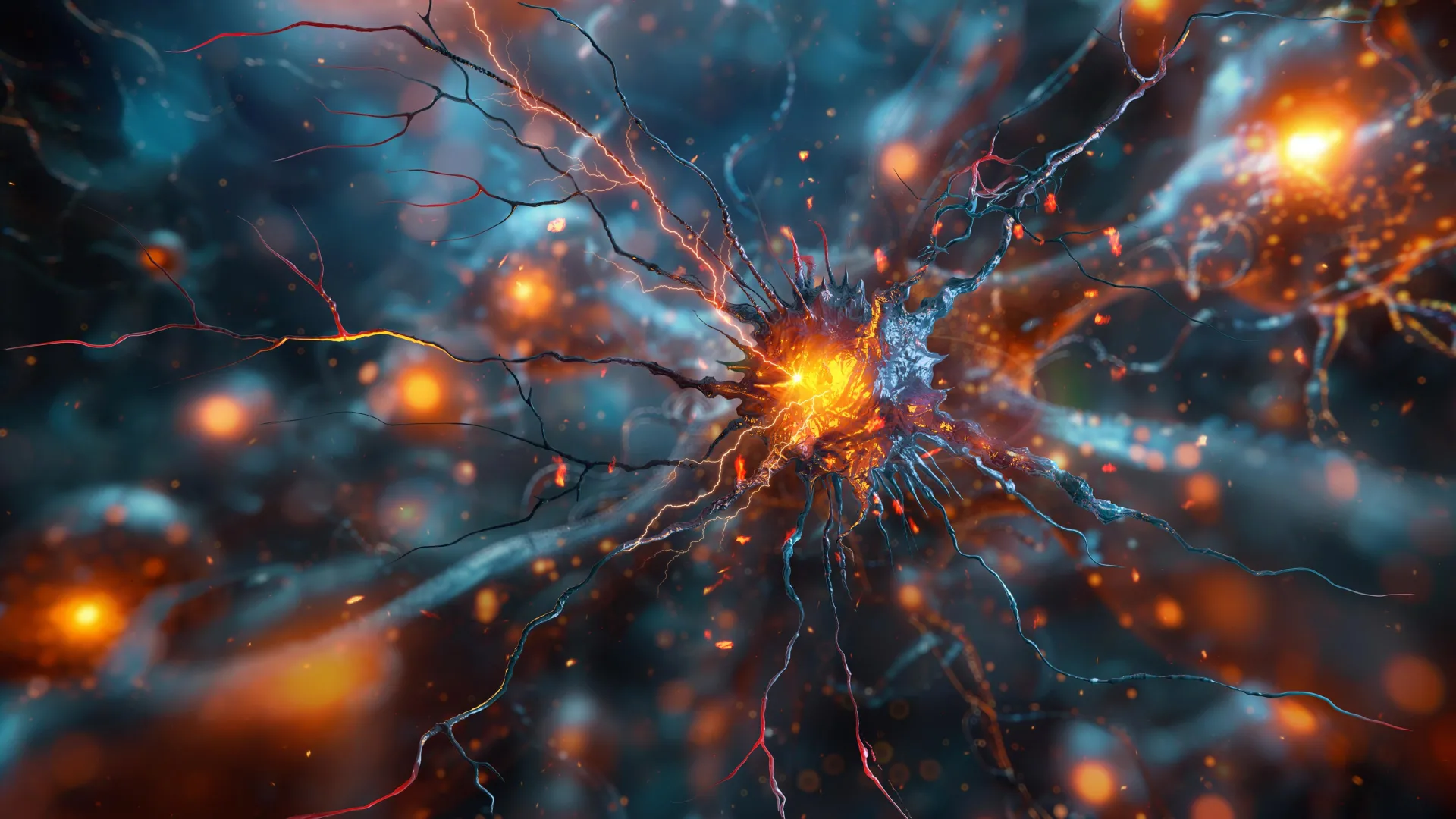
The Silent Killer of Dopamine Neurons: Unraveling the Brain Changes in Parkinson’s Disease
Parkinson’s Disease (PD), affecting over 8 million people globally, is a debilitating neurodegenerative disorder characterized by tremors, rigidity, slowed movement, and postural instability. While the hallmark of PD – the loss of dopamine-producing neurons – has been known for some time, the why behind this neuronal death has remained a central mystery. Recent research is beginning to illuminate a critical piece of this puzzle: chronic overactivation of these vulnerable neurons might potentially be a direct driver of their demise. this article delves into the intricate brain changes occurring in Parkinson’s, exploring the latest findings, potential causes, and emerging therapeutic strategies.
Understanding the Dopamine System and Parkinson’s Pathology
To understand what goes awry in Parkinson’s, it’s crucial to grasp the role of dopamine. Dopamine is a neurotransmitter vital for controlling movement, motivation, and emotional response. The neurons responsible for producing dopamine are concentrated in a specific brain region called the substantia nigra, Latin for “black substance” – named for the dark pigment within these cells.
In Parkinson’s Disease, these dopamine neurons in the substantia nigra progressively degenerate. This loss leads to a critical shortage of dopamine, disrupting the brain’s ability to coordinate movement, resulting in the characteristic motor symptoms. However, the story isn’t simply one of passive cell death. Increasing evidence suggests that the activity of these dopamine neurons increases before and during the early stages of degeneration – a paradoxical finding that has puzzled researchers for years.
The Overactivation Hypothesis: A New Perspective
For decades, scientists have sought to understand why these specific neurons are so vulnerable. Recent research, spearheaded by Dr. Ken Nakamura and his team at the Gladstone Institutes, provides compelling evidence that sustained, excessive activity of dopamine neurons can directly contribute to their degeneration.
Their groundbreaking study, published in eLife, utilized a refined technique in mice. Researchers genetically engineered dopamine neurons to respond to a specific drug, clozapin-N-oxide (CNO). By administering CNO through the animals’ drinking water, they were able to induce chronic – long-lasting – activation of these neurons, mimicking the suspected state in early parkinson’s.The results were striking. Within days, the mice exhibited disrupted sleep-wake cycles. Within a week, the long, slender projections of the dopamine neurons (axons) began to show signs of damage. And after a month, the neurons themselves began to die. crucially, this degeneration mirrored the pattern observed in human Parkinson’s patients – specifically affecting dopamine neurons in the substantia nigra, while sparing those involved in motivation and emotion.
Molecular Mechanisms: What’s Happening Inside the Neurons?
The research didn’t stop at observing neuronal death. Dr. Nakamura’s team investigated the molecular changes occurring within the overactivated neurons. They discovered significant alterations in two key areas:
Calcium Levels: Chronic activation disrupted the delicate balance of calcium within the neurons. While calcium is essential for neuronal function, excessive levels can trigger cellular stress and ultimately, cell death.
Dopamine Metabolism: The neurons appeared to attempt to compensate for the overactivity by reducing their production of dopamine. This is a critical finding, as excessive dopamine can be toxic to neurons. However, this attempt to self-regulate ultimately leads to insufficient dopamine levels, exacerbating the motor symptoms of Parkinson’s.Echoes in Human Brains: Validation of the Findings
To strengthen the link between these findings and human disease, the researchers analyzed brain tissue samples from patients in the early stages of Parkinson’s. They found remarkably similar changes in gene expression - specifically, a downregulation of genes involved in dopamine metabolism, calcium regulation, and cellular stress response.This provides strong evidence that the mechanisms observed in the mouse model are relevant to the human condition.
What Triggers the Overactivation? A Vicious Cycle
While the study demonstrates how overactivation leads to neuronal death, it doesn’t fully explain why it occurs in the first place. Dr. Nakamura hypothesizes a complex interplay of factors:
Genetic Predisposition: Certain genetic variations may increase susceptibility to neuronal overactivity.
Environmental Toxins: Exposure to pesticides or other environmental toxins could contribute to the initial trigger.
Compensatory Mechanisms: As dopamine neurons begin to falter, remaining neurons may work harder to compensate, leading to a vicious cycle of overactivation, exhaustion, and eventual death.
Implications for Treatment and Future Research
This research offers a promising new avenue for therapeutic intervention.If chronic neuronal overactivation is a key driver of Parkinson’s progression, then strategies to modulate neuronal activity could possibly slow or even halt the disease.
Potential approaches include:
Pharmacological interventions: Developing drugs



![Peripheral Artery Disease: Saving Limbs & Early Detection [Podcast]](https://i0.wp.com/kevinmd.com/wp-content/uploads/Design-1-scaled.jpg?resize=330%2C220&ssl=1 "Peripheral Artery Disease: Saving Limbs & Early Detection [Podcast]")